

)
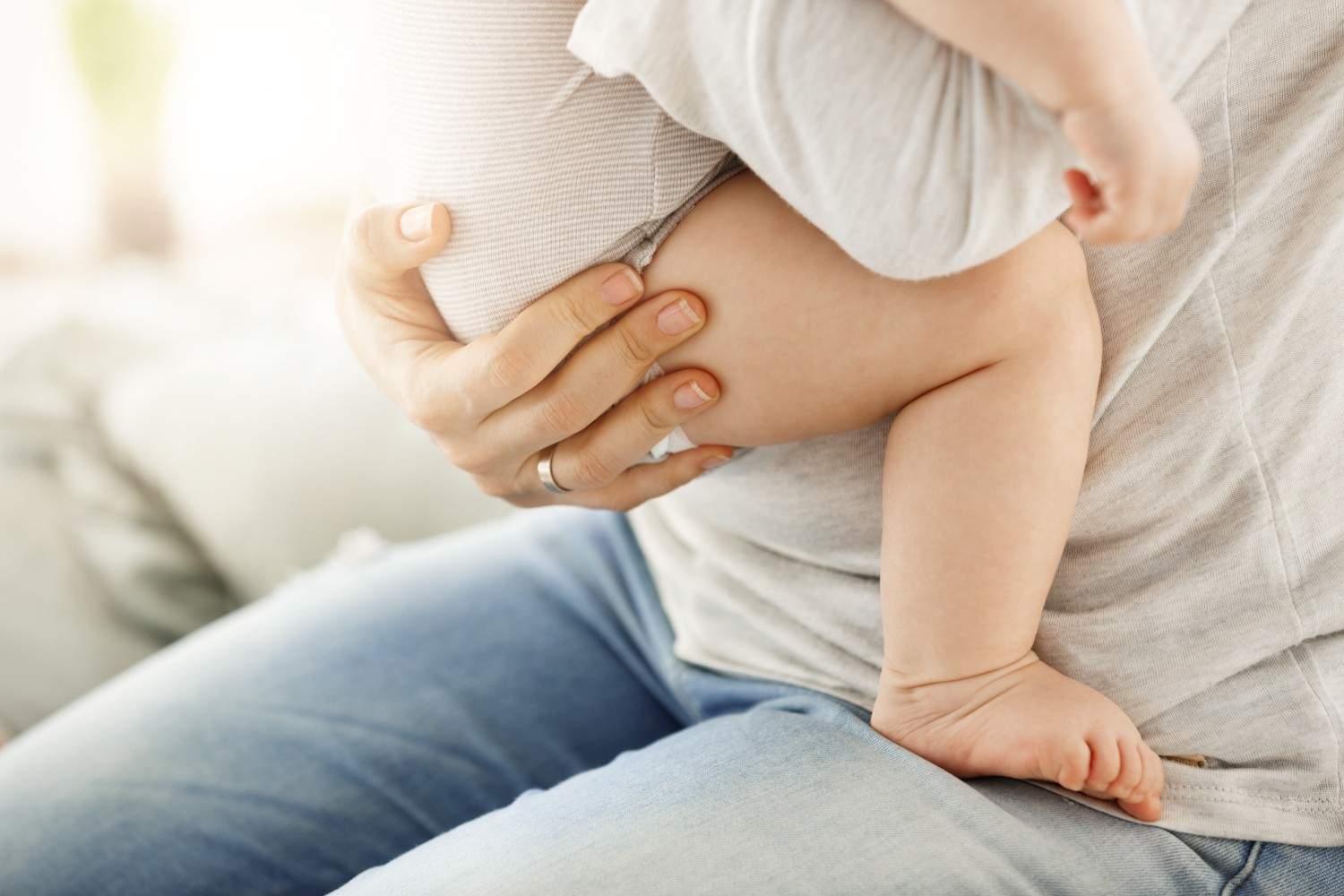
Constipation in babies can worry many parents. If your baby seems uncomfortable, strains during bowel movements or passes hard stools, it may be a sign of digestive difficulty. While occasional changes in bowel habits are common in infants, persistent issues may indicate Constipation. According to a study in Singapore Medical Journal, babies can experience constipation, which is quite common affecting up to 30% of children on a regular basis. When this happens, your baby may pass gas without having a bowel movement. And when they do go, the stool often comes out hard. It becomes important for you to understand the signs of constipation and knowing what gentle remedies may help can make it easier to manage the situation and keep your baby comfortable.
How To Recognise Constipation In Babies
The bowel patterns of babies are different depending on their age and diet. Some infants pass stools several times a day, while others may do so every few days. However, certain symptoms may suggest constipation. Your baby may strain a lot during bowel movements, pass dry or hard stools, cry while trying to pass stool or have a swollen tummy. In some cases, you may also notice that the baby becomes unusually irritable or feeds less than usual. If the stool of a baby appears hard and pellet like, it could indicate that the digestive system is having difficulty moving waste smoothly.
Also read: Ignoring Constipation? Long-Term Risks To Your Gut And Overall Health
Why Does Constipation Occur In Babies?
There are several factors which can contribute to constipation in infants. A common cause is a change in diet, especially when babies move from breast milk to formula or when solid foods are introduced. The digestive system may need time to adjust to new foods.
Dehydration may also play a role. Babies who are not getting enough fluids may produce harder stools. Sometimes, mild digestive immaturity can slow down bowel movements. In rare cases, underlying conditions affecting digestion may contribute to persistent constipation, although this is uncommon.
Gentle Remedies That May Help
For many babies, simple and natural steps can help ease constipation. One effective approach is gentle tummy massage. Massaging your baby's abdomen in slow, circular motions may help stimulate digestion and encourage bowel movement. Another helpful technique is the Bicycle Legs Exercise. In this movement, you gently move your baby's legs in a cycling motion while they lie on their back. This can help stimulate intestinal movement.
Ensuring that your baby is well hydrated is also important. Breastfed babies usually receive adequate fluids through breast milk, while formula fed babies may benefit from small adjustments in feeding after consulting a paediatrician.
Adjusting Diet For Older Babies
The digestive system of a baby is sensitive, and if your baby has already started solid foods, adding fibre rich options may help relieve constipation. Pureed fruits such as pears, prunes or peaches can support digestion. As the study in journal, Food Science and Nutrition says insoluble fibers found in fruits like pears and prunes remain undigested as they pass through the digestive tract. By adding bulk to stool, they promote healthy bowel movements and help prevent constipation. Vegetables like pumpkin or peas may also help soften stools and promote bowel movement. However, any dietary change should be introduced gradually to avoid upsetting the baby's stomach.
When Should You Consult A Doctor?
Most cases of constipation in babies improve with simple care at home. However, certain signs require medical attention. If constipation lasts for several days, the baby refuses to feed, vomits frequently or shows signs of severe discomfort, it is important to seek medical advice.
Also read: Scientists Trace Chronic Constipation Treatment Failures To Mucus-Eating Bacteria
You should also consult a paediatrician if there is blood in the stool or if constipation occurs repeatedly over time. Constipation in babies is common and usually temporary. Gentle remedies such as tummy massage, bicycle leg movements and small dietary adjustments can often help improve bowel movement. If symptoms persist or cause significant discomfort, consulting a healthcare professional can ensure that your baby receives appropriate care and support for healthy digestion.
Disclaimer: This content including advice provides generic information only. It is in no way a substitute for a qualified medical opinion. Always consult a specialist or your own doctor for more information. NDTV does not claim responsibility for this information.