

)
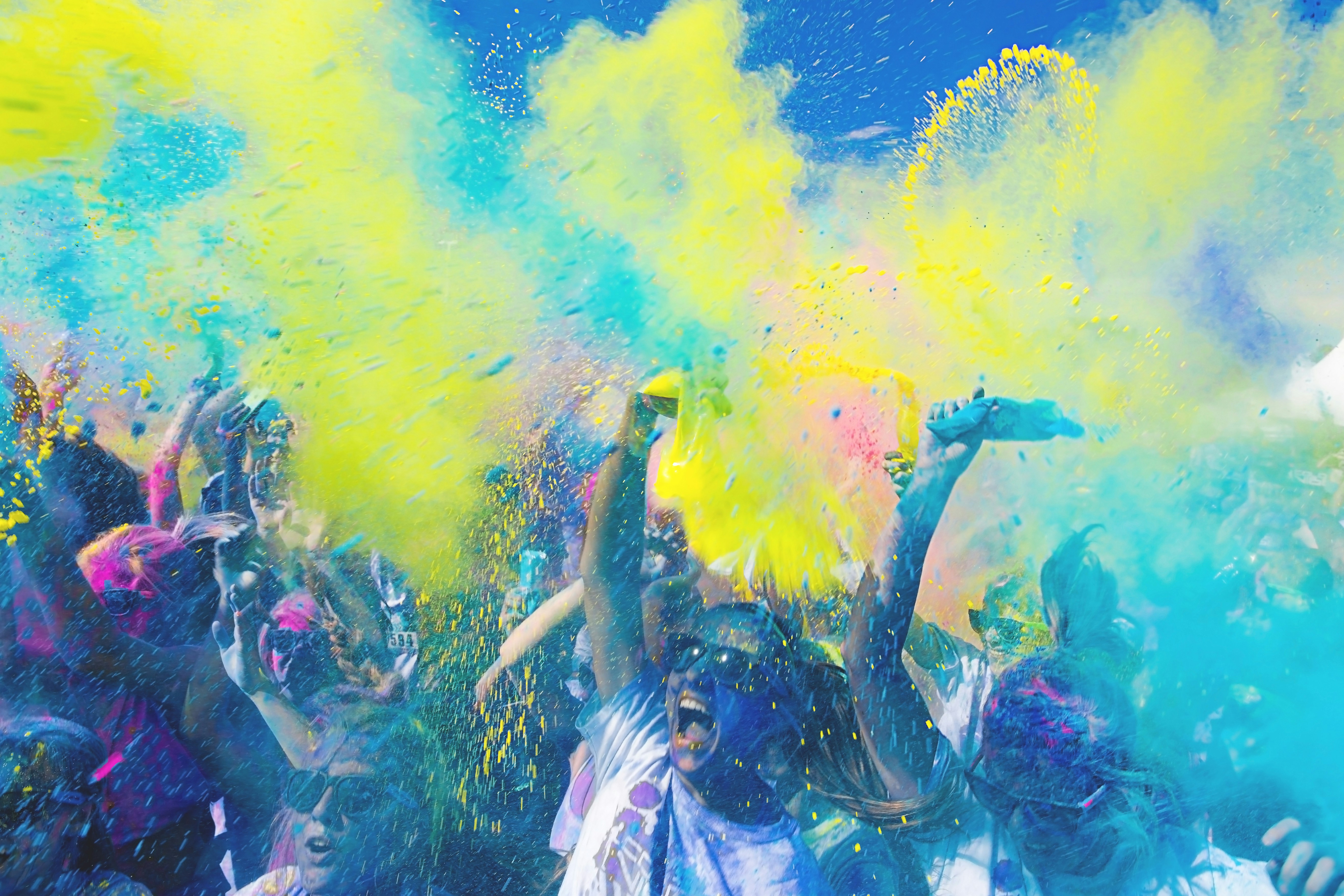
Holi, the festival of colours, is celebrated with a lot of joy and fervour. Families, friends and loved ones come together to celebrate the day with colours, food and more. Across India, people drench each other in vibrant colours, splash buckets of coloured water, and savour festive treats like gujiya and thandai. While the festivities happen, it is easy to get swept up in the fun without thinking much about safety. The chemicals in the colours, the indulgent food, can impact your health. Beneath the festive cheer, there lurks simple yet serious health risks that can turn excitement into discomfort.
Chemical-laden synthetic colors often cause itchy rashes, burning eyes, or allergic reactions on sensitive skin. Prolonged exposure to the sun while dancing can lead to dehydration, heatstroke, or exhaustion, especially for kids and the elderly. Slippery floors from water and colours increase the chance of sprains, falls, or fractures. Inhaling toxic fumes from low-quality powders can irritate the lungs and throats. Along with these, overindulging in sugary sweets can spike blood sugar or trigger digestive problems. Eye injuries from water guns or colour splashes are common as well. These everyday hazards are preventable. Speaking to NDTV, Dr. Dinesh Kumar, Director Internal Medicine at Fortis, Greater Noida, said, "As an Internal Medicine physician with over 31 years of clinical experience, I have seen many patients suffer from preventable health issues during Holi. While Holi is a joyful festival of colours, improper precautions can lead to skin allergies, eye injuries, dehydration, and infections." Here are some simple first aid measures that can ensure a safe and healthy Holi celebration.
Also read: Doctor Explains How Holi Colours Trigger Allergies And Breathing Issues
First Aid Tips For Healthier Holi Celebrations
1. Protect Your Skin and Hair
Before stepping out, apply coconut oil or moisturiser on exposed skin and oil your hair. This creates a protective barrier and helps remove colours easily. Use herbal or organic colours whenever possible to avoid chemical reactions. If irritation develops, wash the area with mild soap and lukewarm water and apply a soothing lotion or calamine.
2. Eye Safety Comes First
Colours entering the eyes can cause redness and burning. Avoid rubbing your eyes if colour gets inside. Instead, rinse immediately with clean running water for at least 10-15 minutes. If redness or pain persists, consult a doctor promptly.
3. Handle Cuts and Minor Injuries Properly
During celebrations, small cuts or bruises are common. Clean the wound with clean water or antiseptic solution and apply a sterile bandage. Seek medical care if there is swelling, severe pain, or bleeding that does not stop.
Also read: Playing Holi? Doctor Shares How Colours Can Damage Your Skin And What You Can Do About It
4. Stay Hydrated and Eat Light
Holi celebrations often involve long hours outdoors. Drink sufficient water, coconut water, or fresh juices to prevent dehydration. Avoid excessive consumption of fried food and sweets, especially if you have diabetes or high blood pressure.
5. Avoid Harmful Colours and Chemicals
Chemical colours may cause allergic reactions, breathing problems, and skin infections. If you notice itching, swelling, or rashes, wash immediately and take an antihistamine if prescribed previously by your doctor.
6. Be Careful with Thandai and Sweets
Consume festive drinks in moderation. Excessive intake may lead to stomach upset or high blood sugar levels.
Also read: Holi 2026 Health Kit: Doctor Shares Checklist Every Family Must Go Through
Holi should be a festival of happiness, not hospital visits. By taking simple precautions and knowing basic first aid steps, you can enjoy a safe, colourful, and healthy Holi in 2026. If any severe symptoms develop, timely medical consultation is always the safest option.
Disclaimer: This content including advice provides generic information only. It is in no way a substitute for a qualified medical opinion. Always consult a specialist or your own doctor for more information. NDTV does not claim responsibility for this information.