

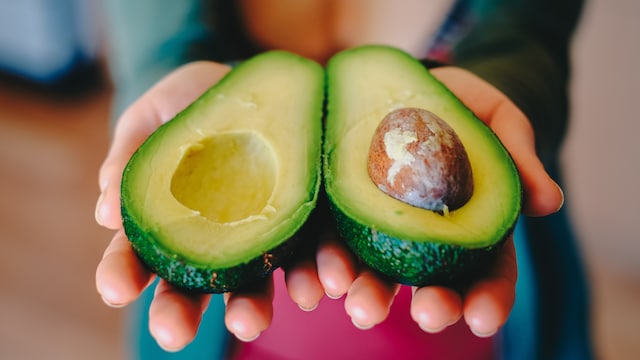
Avocado toast, salads or a bowl of guacamole, this creamy green fruit has become a favourite among health-conscious food lovers. Avocados are not just about trendy breakfasts and Instagram-worthy meals, they are much more than that.
Adding avocados to your daily diet may also benefit your heart, gut and digestion. In a video, gastroenterologist Dr Saurabh Sethi explains what happens to your body when you eat avocado every day. He has shared five health benefits, including better digestion, regular bowel movements and healthy blood pressure.
"This is what could happen to your body when you eat avocado every single day," Dr Sethi captions the post.
He says avocados contain monounsaturated fats, which help lower LDL, or bad cholesterol. This makes them a good addition to a heart-friendly diet.
"Avocados contain healthy monounsaturated fats that can help lower LDL, which is the bad cholesterol, when replacing saturated fats," he says.
In addition to this, avocados contain fibre, which supports the growth of good gut bacteria and helps maintain a healthy gut microbiome. “Avocados contain fibre that supports beneficial gut bacteria and a healthier gut microbiome,” Dr Sethi explains.
The fruit can also help people who struggle with irregular bowel movements. According to the gastroenterologist, “One medium avocado contains approximately 10 grams of fibre,” which helps keep bowel movements regular.
Another reason to add avocado to your meals is that it helps you feel full for longer. The combination of fibre and healthy fats can keep hunger at bay and reduce the urge to snack frequently.
The doctor highlights its potassium content, which plays a role in maintaining healthy blood pressure. "Avocados are rich in potassium, a mineral that helps regulate blood pressure," he says.
From your morning toast to your lunchtime salad, avocado can be an easy way to add healthy fats and fibre to your daily diet.
Disclaimer: This content including advice provides generic information only. It is in no way a substitute for a qualified medical opinion. Always consult a specialist or your own doctor for more information. NDTV does not claim responsibility for this information.