

)
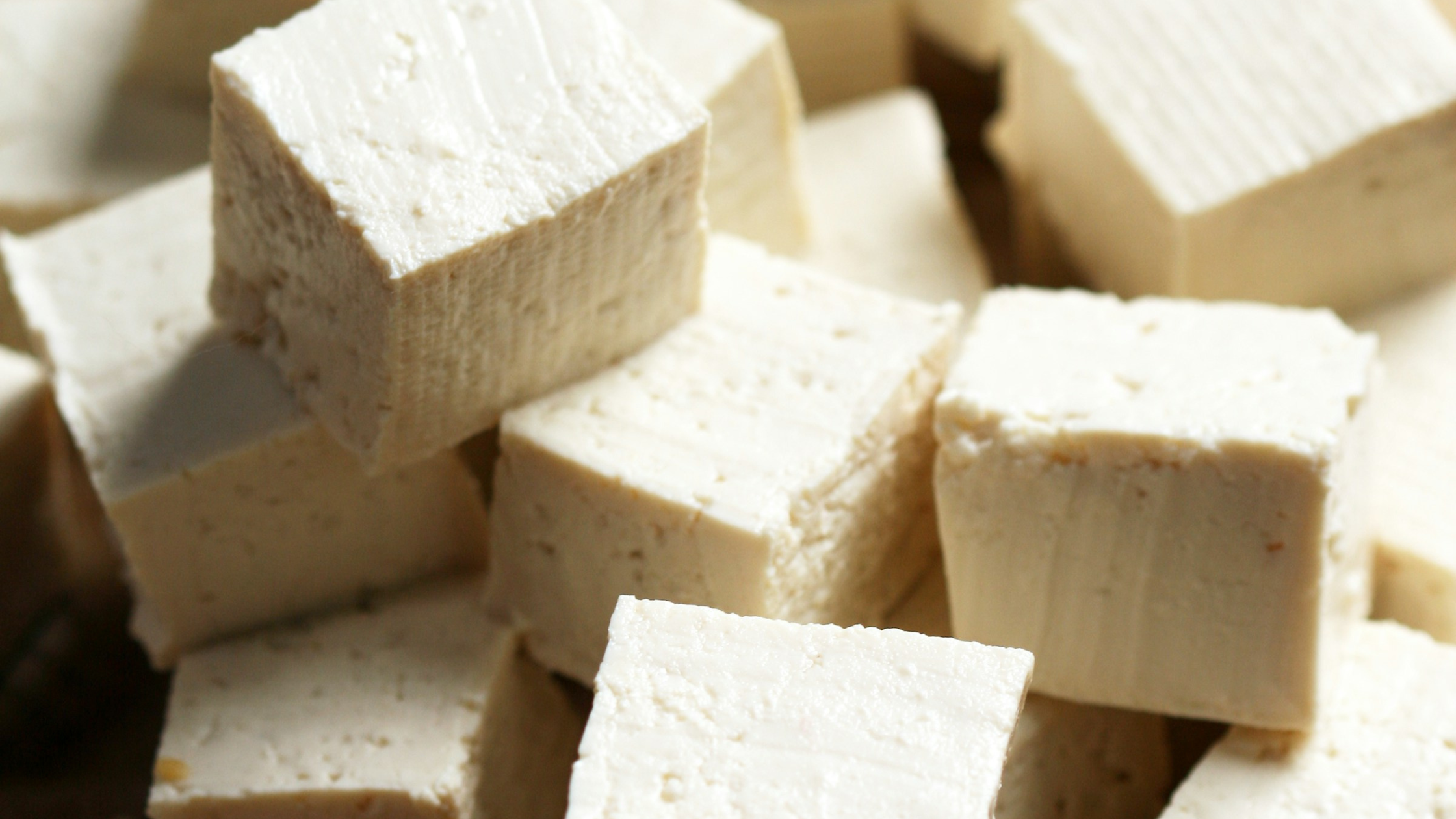
Paneer is widely consumed in India, but the demand outweighs the supply. To bridge this gap, analogue paneer is used as a cheaper alternative to fresh paneer. But the nutritional differences and consequent impact on health need to be weighed if you want long-term internal well-being. Most people can become confused if they are eating fresh or analogue paneer, as they look similar in taste and texture. But the recent ban on analogue paneer by the Food Safety and Standards Authority of India that has been adopted in four states raises the question: is analogue paneer actually safe for your health, and is the nutritional value the same as fresh paneer? The answer to this question depends on the preparation process, the quality of ingredients, and how analogue paneer is stored. Typically, analogue paneer contains a combination of vegetable fats, emulsifiers, refined oils, additives, and flavours to make the synthetic paneer resemble fresh paneer.
Nutritional Differences Between Fresh And Analogue Paneer
Fresh paneer is traditionally prepared using cow milk, while the base ingredients of analogue paneer are hydrogenated vegetable fats, which make each of them have different nutritional values. According to the Indian Council of Medical Research (ICMR) and National Institute of Nutrition (NIN), about 100 g of fresh paneer contains approximately:
- Energy: 265 calories
- Protein: 18.3 g
- Total Fat: 20.8 g
- Carbohydrates: 1.2 g
- Calcium: 480 mg
- Phosphorus: 290 mg
- Iron: 0.2 mg
- Sodium: 22 mg
- Zinc: 0.8 mg
Analogue Paneer Nutritional Differences
There is no set nutritional value for analogue paneer, as different manufacturers use different quantities of vegetable oils, fats, milk solids or powders, starches, emulsifiers and stabilisers to prepare the product. But based on estimates, the nutritional value of analogue paneer can be measured:
- Energy: 250-320 calories
- Protein: 6-15 g
- Fat: 18-25 g
- Carbohydrate: 5-15 g
- Calcium: 100-400 mg
Which Has More Protein?
The processing for fresh paneer is minimal, making it better at providing protein components such as whey and casein when eaten in moderation. The high protein content in fresh paneer is better than analogue paneer, as the form of it has a different health impact internally.
Is Analogue Paneer Healthy?
The health risks associated with analogue paneer are many, when it makes it harmful for long-term consumption. The potential disadvantages associated with the consumption of analogue paneer are:
- Lower cost
- Consistent texture
- Longer shelf life
A potential health risk involved with analogue paneer is the usage of more processed ingredients, making it nutritionally inferior to fresh paneer. There is even a possible lower protein density in analogue paneer that can add health risks.
Health Risks Of Frequent Analogue Paneer Consumption
If analogue paneer is consumed too frequently, then your body could suffer from:
- Health effects due to excess sodium (depending on formulation) intake from analogue paneer.
- A higher processing factor makes their ingredients harm the digestive system.
- Lower micronutrient density makes it a nutritional deficiency as a meal option.
- Reduced satiety if protein is lower means people will eat more of it to feel fuller.
Note: The food label of analogue paneer needs to be thoroughly read, as the exact ingredients used to prepare it affect its nutritional value.
How To Identify Analogue Paneer At Home
Analogue paneer can be distinguished from fresh paneer by following these practical tips:
- Check the exact ingredient list on the food label to be safe.
- The texture and elasticity of the analogue paneer are stiffer, and it doesn't lose its integrity when it is cooked.
- Taste differences are possible, as fresh paneer has a fresher and cleaner taste than analogue paneer.
- Buy from trusted sources such as local dairies that prepare milk products on a daily basis.
Which Is Better For Weight Loss And Fitness Goals?
When it comes to weight loss and choosing a healthier option for maintaining your fitness goals, you need to weigh the pros and cons of both products.
Fresh Paneer
Freshly prepared paneer can provide high-quality protein that can be easily spread over a week for a healthy balance. The nutritional profile of fresh paneer can make it provide aid in better muscle recovery, and a small quantity of it can make you fuller faster.
Analogue Paneer
The exact formulation of analogue paneer influences its nutritional quotient. Analogue paneer should be consumed only after reading the food label and analysing what has been used to prepare it. This matters as the impact on your health is not something that can be reversed easily.
Who Should Prefer Fresh Paneer?
Fresh paneer should be consumed by those who have developing systems or digestive systems that can't process or metabolise heavily processed foods. Those who are:
- Children
- Athletes
- Older adults
- People seeking higher protein intake
- Individuals recovering from illness
Should opt for fresh paneer instead of analogue paneer to preserve their internal well-being. Analogue paneer poses health risks that need to be kept in mind if you are planning to consume the product.
Also Read: From Tuberculosis To Diabetes: The Diseases That Changed India's Health Burden
Disclaimer: This content including advice provides generic information only. It is in no way a substitute for a qualified medical opinion. Always consult a specialist or your own doctor for more information. NDTV does not claim responsibility for this information.