

)
Creatine is often associated with gym supplements and fitness powders, but you do not necessarily need a supplement to get creatine. The body naturally produces creatine, while certain foods can also provide it through the diet. Creatine is stored mainly in the muscles, where it helps provide energy during short bursts of intense physical activity. This makes it particularly relevant for people involved in strength training, sprinting, resistance exercises and other high-intensity workouts. Animal-based foods are generally the richest dietary sources of creatine. However, the amount can vary depending on the food, portion size and cooking method. If you want to include more naturally occurring creatine in your diet, here are 10 options to consider.
1. Salmon
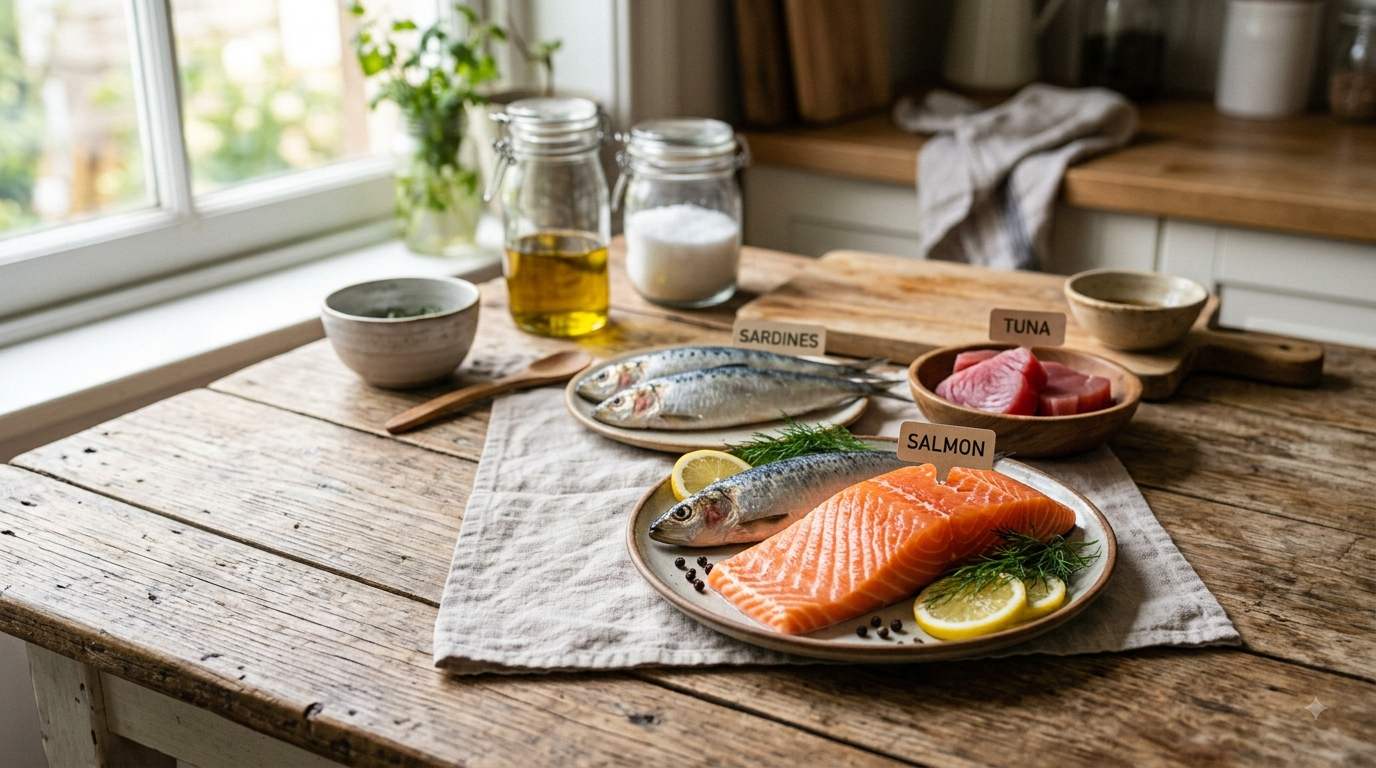
Salmon is one of the most popular fish among people looking to improve their overall diet. Along with naturally occurring creatine, it provides high-quality protein and omega-3 fatty acids. The protein in salmon supports muscle repair and maintenance, while its healthy fats can be part of a balanced diet. You can include grilled, baked or steamed salmon in meals with vegetables, rice, potatoes or whole grains.
2. Tuna
Tuna is another convenient source of dietary creatine and protein. Fresh tuna can be grilled or cooked, while canned tuna can be added to salads, sandwiches or wraps. If you eat canned tuna frequently, check the label for sodium content and choose varieties that fit your dietary needs. Tuna can be particularly convenient for people looking for a quick protein-rich meal after exercise.
3. Chicken
Chicken is a staple food for many people who regularly work out. It contains naturally occurring creatine while also providing high-quality protein. Chicken breast is particularly popular because it provides substantial protein without excessive amounts of fat. You can add chicken to rice bowls, salads, wraps or sandwiches. For a balanced meal, combine it with vegetables and a source of carbohydrates.
4. Turkey
Turkey is another poultry option that provides both protein and naturally occurring creatine. It can be used in sandwiches, salads, wraps or as part of a regular meal. Turkey is also versatile enough to replace chicken in many recipes. Choose fresh or minimally processed turkey more often, as processed varieties can contain significant amounts of sodium.
5. Lamb
Lamb provides creatine along with protein, vitamin B12, iron and other nutrients. It can be included occasionally as part of a balanced diet. Since some cuts of lamb can be relatively high in fat, choosing leaner cuts and keeping portions moderate can help maintain a balanced overall diet. The aim should not be to eat large amounts of lamb simply for its creatine content.
6. Cod
Cod is a lean fish that can contribute to dietary creatine intake while providing high-quality protein. It is also relatively low in fat, making it an option for people who want a protein-rich meal without a large amount of dietary fat. Cod can be baked, grilled or steamed and paired with vegetables, potatoes or whole grains.
7. Sardines
Sardines are another seafood option that can provide creatine as well as protein and omega-3 fatty acids. They can be eaten with whole-grain toast, added to salads or incorporated into meals. Their small size also makes them a convenient source of several nutrients. If you buy canned sardines, check the sodium content, particularly if you are trying to limit salt intake.
8. Shrimp
Shrimp and other shellfish can contribute to dietary creatine intake while also providing protein. Shrimp is relatively versatile and can be added to rice dishes, salads, stir-fries or pasta. It can also provide nutrients such as selenium and vitamin B12. Cooking methods matter, though. Deep-frying shrimp or covering it in heavy sauces can substantially change the nutritional profile of the meal.
9. Mackerel
Mackerel is an oily fish that provides protein, healthy fats and naturally occurring creatine. Its omega-3 content makes it an attractive addition to a balanced diet, while its protein content can support muscle maintenance. It can be grilled, baked or cooked with vegetables and whole grains.
10. Eggs
Eggs are an excellent source of complete protein and contain small amounts of creatine. Although they are not among the richest dietary sources of creatine compared with meat and certain fish, they can still contribute to overall creatine intake when consumed regularly. Eggs also provide nutrients such as vitamin B12, choline and selenium. They can be included as boiled eggs, omelettes, scrambled eggs or as part of a larger meal.
What About Vegetarians?
People following vegetarian diets generally consume less creatine because the compound is found predominantly in animal-based foods. Foods such as lentils, beans, chickpeas, nuts, seeds and dairy products can still provide important nutrients and protein, but they are not significant sources of creatine. The body can make creatine on its own using amino acids, so dietary creatine is not an absolute requirement for maintaining normal body function. People following vegetarian or vegan diets who are specifically interested in creatine for exercise performance can discuss supplementation with a qualified healthcare professional or sports nutritionist.
Does Cooking Affect Creatine?
Cooking can affect the amount of creatine present in meat and fish. Some creatine can be converted into creatinine during cooking, with the extent depending on factors such as temperature, cooking time and cooking method. This does not mean you should avoid cooked meat or fish. Proper cooking is essential for food safety, and these foods can still contribute useful amounts of creatine and protein. The amount you ultimately consume also depends on portion size and the particular food.
Can Natural Food Provide Enough Creatine?
For people who regularly consume fish, poultry, seafood and other animal-based foods, the diet can provide naturally occurring creatine. However, dietary intake is generally less predictable than supplementation because the concentration varies between foods and portions. That does not mean everyone needs a creatine supplement. Creatine is only one part of an effective fitness and muscle-building strategy. Resistance training, adequate protein, sufficient calories, carbohydrates, hydration and proper recovery are equally important.
Creatine Alone Won't Build Muscle
It is important not to confuse eating creatine-rich foods with building muscle automatically. Muscle growth requires a combination of resistance training and adequate nutrition. Protein provides amino acids needed for muscle repair and growth, while creatine helps support energy production during high-intensity activity. Therefore, a person trying to build muscle should focus on their overall diet rather than simply increasing their intake of creatine-containing foods.
You do not have to rely entirely on supplements to include creatine in your diet. Salmon, tuna, chicken, turkey, lamb, cod, sardines, shrimp, mackerel and eggs can all contribute naturally occurring creatine while providing other important nutrients. The best approach is to maintain a varied diet that provides enough protein, carbohydrates, healthy fats, vitamins and minerals. If your goal is to gain muscle or improve workout performance, combine good nutrition with progressive strength training, adequate sleep and sufficient recovery. If you are considering creatine supplementation, particularly if you have an underlying medical condition or concerns about kidney health, speak with a healthcare professional before starting.
Disclaimer: This content including advice provides generic information only. It is in no way a substitute for a qualified medical opinion. Always consult a specialist or your own doctor for more information. NDTV does not claim responsibility for this information.