

)
Polycystic ovary syndrome (PCOS), which is now known as Polyendocrine Metabolic Ovarian Syndrome (PMOS), affects an alarming number of women across the world. While it is commonly recognised for impacting fertility, PCOS can also deteriorate mental health, contribute to weight gain, and lead to hair loss, among other issues. PCOS primarily disrupts hormone levels, leading to dysfunction in several crucial bodily functions. There's no cure for PCOS. However, the condition can be managed with a combination of diet and lifestyle modifications. Weight loss is considered one of the most effective methods for managing PCOS, as even a modest 5% reduction in body weight can significantly improve hormone levels, restore regular menstrual cycles, and enhance fertility. Women with PCOS are often advised to maintain a clean, well-balanced diet. Additionally, regular physical activity can aid in weight management and help control symptoms.
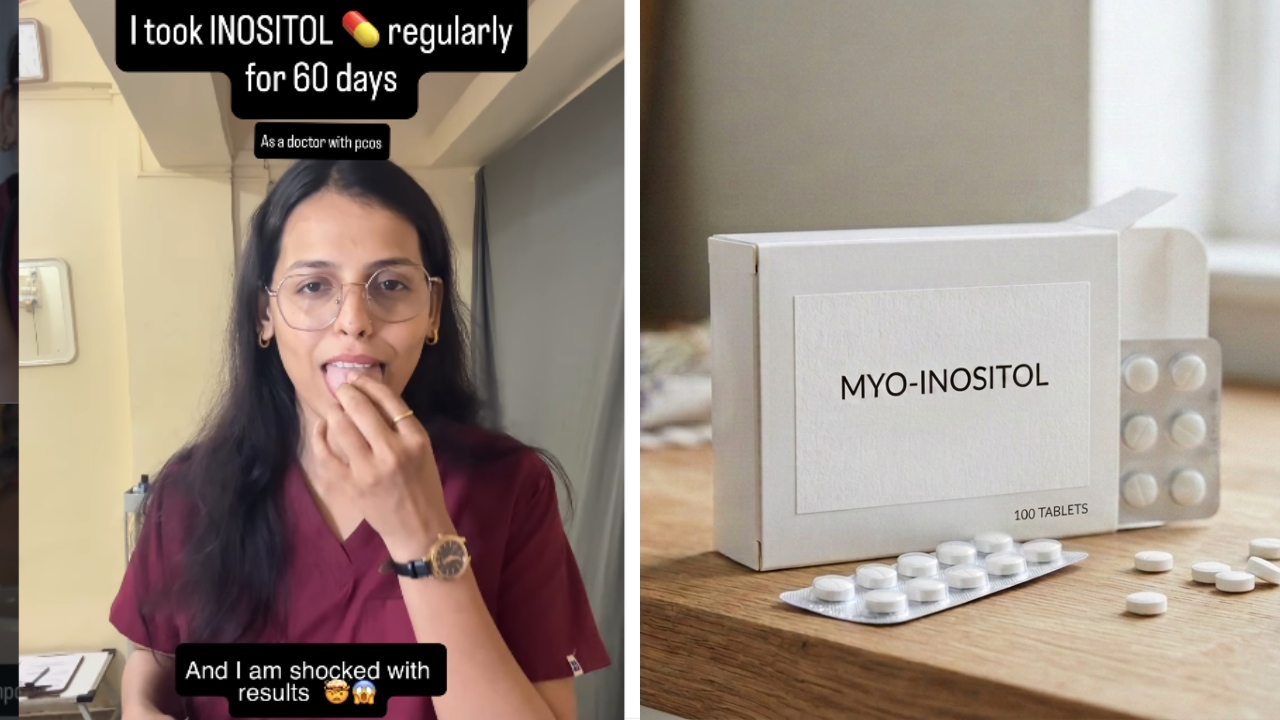
Over the years, several supplements have also been suggested as solutions for health issues related to this condition. One of these is Inositol. Recently, Dr. Shanti, MBBS, a certified nutritional endocrinologist who also has PCOS, revealed that she took inositol for 60 days to manage her condition. In an Instagram video, she shared her experience and whether it helped her manage her symptoms.
"I took Inositol regularly for 60 days as a doctor with PCOS, and I am shocked by the results," she wrote in the video.
What is inositol?
Inositol is sometimes called vitamin B8, but it is not actually a vitamin. It is a chemical that is naturally found in your cells. Your body produces and uses it to provide structure to cell membranes, regulate insulin, and balance brain chemicals.
Inositol is a naturally occurring carbocyclic sugar. It is found in various forms, with myo-inositol being the most common and studied. Your body makes inositol on its own, but you can also get it from food sources.
How inositol helps with PCOS
Inositol helps manage Polycystic Ovary Syndrome (PCOS) by acting as an insulin sensitiser, which fixes the cellular communication breakdown that causes most PCOS symptoms. A study published in Reproductive Biology and Endocrinology shows it safely improves menstrual regularity, lowers male hormones, and supports metabolic health with fewer side effects than prescription alternatives like metformin.
What happens after taking inositol for 60 days?
"I promised myself I'd take myo-inositol consistently for 90 days because that's the duration where most studies evaluate meaningful improvements in PCOS."
"But today marks Day 60, and I wanted to share an honest update on what I've noticed so far," Dr. Shanti wrote in the caption of the video.
-
Weeks 1-2 (Days 1-14)
"Honestly... nothing. No dramatic change. No weight loss. No sudden improvement in my symptoms."
"And that's exactly what I expected because scientifically, inositol doesn't work overnight. It takes time to improve insulin sensitivity," she wrote.
-
Weeks 3-4 (Days 15-30)
During this period, Dr. Shanti started noticing subtle changes like fewer cravings for sugar, stable energy levels throughout the day and no energy crash post-meals.
"These weren't huge changes-but they were noticeable enough for me to keep going," she added.
-
Weeks 5-6 (Days 31-45)
"By this point, consistency started paying off," she mentioned.
"My bloating seemed better on most days. I felt more in control of my appetite. My mood felt more stable, although it's hard to say how much was due to inositol alone," she added.
-
Weeks 7-8 (Days 46-60)
Did inositol cure her PCOS? Dr. Shanti said "No."
"But I do feel like it's becoming a useful addition to my routine, alongside nutrition, strength training, sleep, and stress management."
"As a doctor, I also know that many of the outcomes we look for in PCOS-like improvements in ovulation, menstrual regularity, insulin resistance, and metabolic markers-are typically assessed after 8-12 weeks or longer in clinical studies. So I'm not judging it at Day 60," she clarified.
Benefits of inositol for PCOS
1. Improves insulin sensitivity
Inositol, particularly in the forms of myo-inositol and D-chiro-inositol, has been shown to enhance insulin sensitivity. Inositol repairs this pathway, allowing insulin to work efficiently and lowering overall blood sugar levels.
2. Regulates hormones
Inositol can help restore hormonal balance by promoting ovarian function and supporting regular menstrual cycles, which can lead to improved ovulation.
3. Supports ovarian function
By enhancing the quality of ovarian response, inositol may aid in improving fertility outcomes and help promote regular ovulation.
4. Reduces androgen levels
When insulin spikes, it signals the ovaries to overproduce male hormones like testosterone. By optimising insulin, inositol naturally lowers testosterone, helping clear hormonal acne and reduce hirsutism.
5. Improves metabolic health
Inositol has been linked to improvements in lipid profiles and reductions in blood sugar levels, addressing some metabolic issues associated with PCOS.
Tips for safe use of inositol:
1. Consult a doctor
Before starting inositol or any supplement, talk to your doctor, especially if you have existing health conditions or are taking medications.
2. Follow recommended dosages
Typical dosages can range from 1,000 mg to 4,000 mg a day. Your healthcare provider can help determine the right dosage for you.
3. Consider lifestyle changes
Inositol may be more effective when combined with lifestyle changes such as a balanced diet, regular physical activity, and weight management.
4. Track your progress
Keep a record of your symptoms and any changes you notice after beginning inositol. This can help you and your doctor assess its effectiveness.
5. Be aware of side effects
While inositol is generally well-tolerated, some people may experience gastrointestinal issues or headaches. If you notice significant side effects, consult your healthcare provider.
6. Give it time to work
Hormonal shifts happen slowly. While minor improvements in energy and sleep might occur early on, it typically takes 3 to 6 months of consistent daily use to see significant changes in menstrual regularity, egg quality, and hair or skin symptoms.
While inositol can help manage PCOS symptoms, it is essential to consult your doctor before adding it to your routine. Also, for effective results, you must combine it with a healthy diet and regular exercise.
Disclaimer: This content including advice provides generic information only. It is in no way a substitute for a qualified medical opinion. Always consult a specialist or your own doctor for more information. NDTV does not claim responsibility for this information.