

)
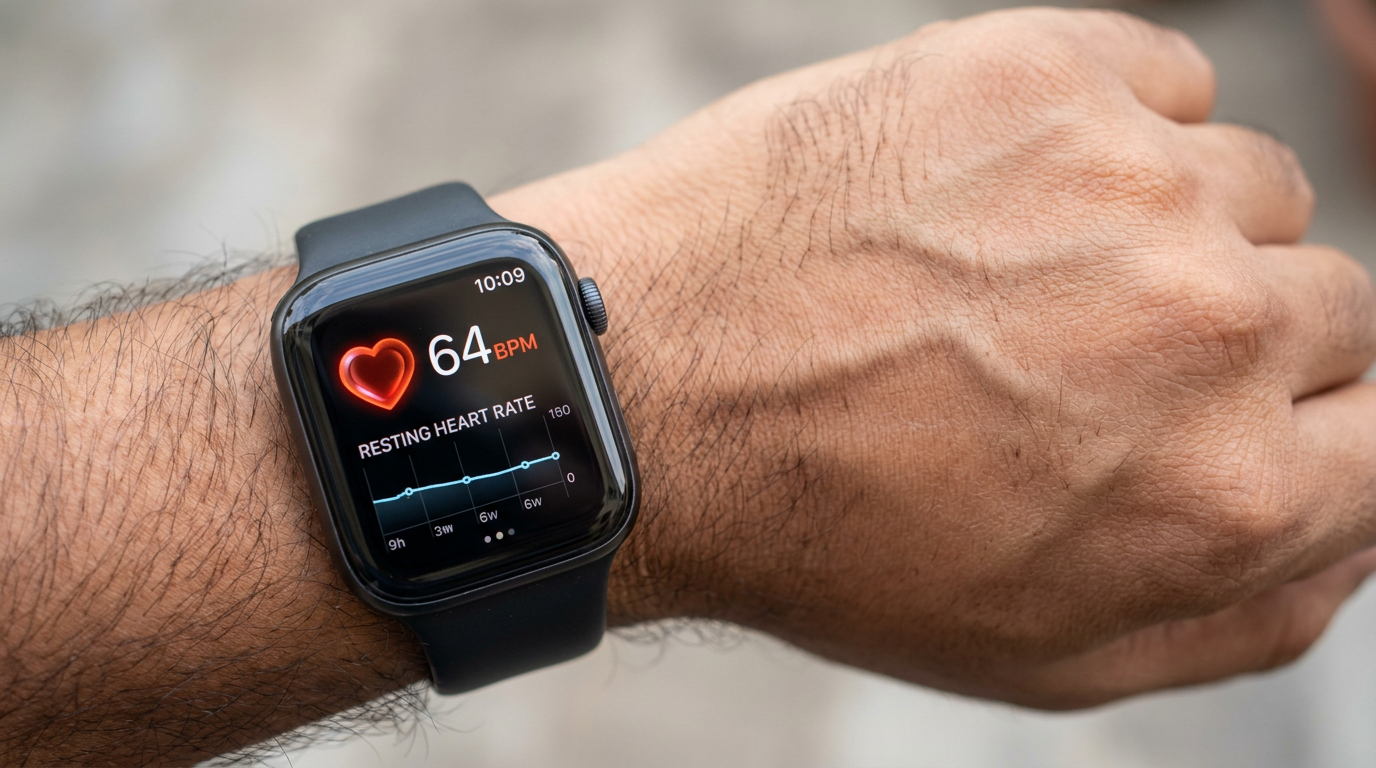
Whether it is deadline pressure, constant notifications, or long-term personal anxiety, modern living keeps millions of people in a state of low-grade, continuous alarm. While many recognise stress through mental fatigue or tight shoulders, your heart registers chronic stress in a much more precise way: an elevated resting heart rate (RHR). If you check your smartwatch or fitness tracker in the morning and notice your resting heart rate creeping up into the late 70s, 80s, or higher, stress and cortisol are often the primary drivers.
Understanding how chronic stress raises resting heart rate and implementing clinically backed strategies to reset your autonomic nervous system is essential for long-term heart health.
How Stress And Cortisol Elevate Heart Rate
Your resting heart rate reflects how efficiently your heart works when you are completely at rest. A healthy adult heart typically beats between 60 and 100 beats per minute (bpm), with lower numbers generally indicating better cardiovascular fitness and parasympathetic tone.
"When chronic mental stress keeps cortisol and adrenaline continually elevated, the heart is stripped of its natural recovery phase," explains Dr Balbir Singh, Group Chairman – Cardiac Sciences, Max Healthcare.
He adds, "Over time, a baseline resting heart rate that stays in the 80s or 90s due to stress increases vascular resistance and accelerates arterial stiffening. While deep breathing techniques provide immediate vagal slowing, long-term autonomic reset requires consistent Zone-2 cardiovascular conditioning and structured sleep."
When you experience acute stress, your hypothalamus signals the adrenal glands to secrete adrenaline and cortisol, wherein:
- Adrenaline (Epinephrine) immediately increases heart rate and blood pressure to prepare the body for physical action.
- Cortisol acts as the primary stress hormone, which increases blood glucose, alters immune system responses, and keeps the nervous system primed for threat detection.
Under normal circumstances, once a stressful event passes, the parasympathetic nervous system ("rest and digest") acts as a brake, releasing acetylcholine to lower heart rate.
However, under chronic stress, cortisol levels remain elevated around the clock. This suppresses parasympathetic activity and keeps the sympathetic nervous system hyperactive, causing your baseline resting heart rate to stay abnormally elevated even while you sleep.
5 Clinical Strategies To Lower Stress-Driven Resting Heart Rate
Lowering a resting heart rate driven by cortisol requires a two-pronged approach: immediate techniques to stimulate the vagus nerve and lifestyle modifications to lower baseline cortisol.
1. Activate The Vagus Nerve With Deep Breathing
The vagus nerve is the main component of the parasympathetic nervous system. You can manually engage this "brake pedal" through targeted breathwork. Here is how you can do so:
- Practice the 4-7-8 breathing method or the Physiological Sigh (two quick inhales through the nose followed by one long, slow exhale through the mouth).
- Prolonged exhales trigger a reflex that signals the brain to release acetylcholine, rapidly slowing down cardiac contractions within minutes.
2. Engage In Zone-2 Aerobic Exercise
While intense workouts spike cortisol temporarily, regular, low-intensity aerobic exercise strengthens the heart muscle.
- The technique involves practising exercise for 150 minutes per week of Zone-2 cardio (brisk walking, easy cycling, or swimming where you can maintain a conversation).
- Zone-2 training increases cardiac stroke volume, which means your heart pumps more blood per beat, which can allow it to beat fewer times per minute at rest.
3. Protect Slow-Wave Sleep To Reset Cortisol
Cortisol follows a natural circadian rhythm, dropping to its lowest level around midnight. Poor sleep quality or erratic sleep schedules disrupt this drop, causing elevated nocturnal heart rate. You can do so by:
- Maintaining a strict sleep-wake schedule, avoiding screens 60 minutes before bed, and keeping the bedroom temperature cool.
- The reason it works is that deep stage-3 sleep makes the sympathetic nervous system completely power down, allowing the heart to recover.
4. Audit Stimulants And Hydration
Caffeine and dehydration both compound the effects of cortisol on resting heart rate. You need to :
- Limit caffeine intake after 12:00 PM and aim for adequate daily water and electrolyte intake.
- Dehydration reduces total blood volume, forcing the heart to beat faster to pump the same amount of oxygen throughout the body.
5. Incorporate Mindfulness And Progressive Muscle Relaxation
Mindfulness meditation is clinically proven to lower salivary cortisol levels and systemic inflammation. Here is how you can do so:
- Spend 10 to 15 minutes daily practising body-scan meditation or progressive muscle relaxation before sleep.
- Reducing perceived stress alters central nervous system signalling, reducing baseline adrenaline output.
When To See A Doctor
While lifestyle modifications significantly lower stress-induced heart rate spikes, an elevated resting heart rate can sometimes indicate underlying medical conditions such as thyroid dysfunction, anaemia, or cardiac arrhythmias.
Consult a healthcare professional or cardiologist if:
- Your resting heart rate remains consistently above 100 bpm (tachycardia).
- You experience chest tightness, shortness of breath, or dizziness alongside a racing heart.
- Your elevated heart rate persists despite weeks of stress management and sleep optimisation.
A high resting heart rate driven by chronic stress and cortisol is your body's subtle way of asking for recovery. While modern routines often celebrate pushing through fatigue, your heart requires intentional downtime to function efficiently. By incorporating vagus nerve stimulation, prioritising restorative sleep, and building low-intensity cardiovascular endurance, you can systematically lower your resting heart rate, reduce cortisol strain, and protect your heart for the long run.
Also Read: How To Calculate Your Cholesterol Ratio And What It Means For Your Heart Health
Disclaimer: This content including advice provides generic information only. It is in no way a substitute for a qualified medical opinion. Always consult a specialist or your own doctor for more information. NDTV does not claim responsibility for this information.