

)
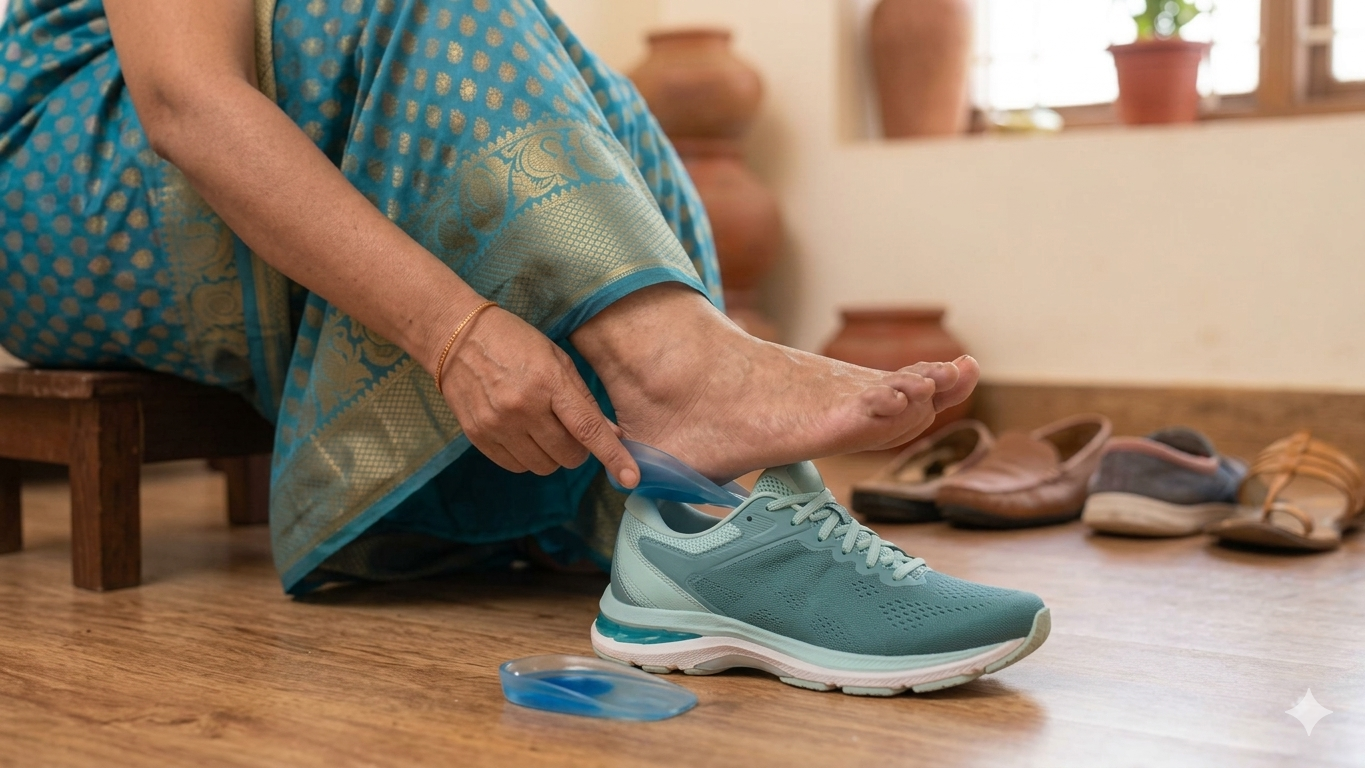
Whether individuals spend long hours on their feet, participate in high-impact physical activities, or experience sharp morning heel discomfort, foot pain can severely impair daily mobility. Among the wide array of over-the-counter podiatric solutions, silicone gel heel protector pads have become a widely used consumer product. Promoted as a simple remedy for plantar fasciitis, heel spurs, and cracked skin, these pliable silicone devices wrap around or rest directly beneath the heel to absorb shock. From an orthopaedic standpoint, clinical evidence clarifies how these gel cushions perform, where they provide measurable benefit, and where their limitations lie.
How Silicone Gel Heel Protector Pads Function
Understanding how silicone gel pads assist with pain relief requires examining how the human foot handles impact. During gait, the heel absorbs ground reaction forces equal to 1.5 to 3 times an individual's total body weight with every step. The body's primary built-in shock absorber is the calcaneal fat pad, a thick layer of adipose tissue positioned under the heel bone.
Over time, due to repetitive impact, ageing, inappropriate footwear, or sudden weight shifts, this natural fat pad can thin out or become inflamed. Conditions like plantar fasciitis (inflammation of the connective tissue supporting the arch) or heel spurs (calcium deposits causing localised pressure) aggravate this sensitive area.
Silicone gel heel protector pads intervene through three main biomechanical processes:
1. Impact Attenuation: High-density medical-grade silicone gel mimics the properties of natural subcutaneous fat, dampening vertical shock waves before they transmit into the calcaneus (heel bone).
2. Pressure Redistribution: By cupping the calcaneal region, the pad disperses body weight across a broader surface area rather than concentrating force on a single tender spot.
3. Friction and Moisture Control: Full-wrap silicone heel sleeves trap cutaneous moisture, reducing friction and preventing deep skin fissures in calloused heels.
What Clinical Research Demonstrates
Scientific literature provides an evidence-based perspective on how silicone gel cushions perform under load.
1. Shock Absorption And Loading Rates
A biomechanical study published in the Journal of Applied Biomechanics evaluated how various insert materials manage force during movement. Researchers determined that viscoelastic silicone gel inserts reduced peak vertical loading rates by up to 24% compared to standard shoe insoles, effectively shielding the calcaneus and lower-limb joints from repetitive micro-trauma.
2. Plantar Fasciitis Pain Reduction
In a clinical trial featured in Foot and Ankle International examining conservative treatments for acute plantar fasciitis, patients using silicone heel cups alongside daily calf and plantar fascia stretching reported a statistically significant reduction in morning pain scores within four weeks. Over 68% of participants noted marked improvement compared to groups relying solely on stretching.
3. Management Of Calcaneal Fat Pad Atrophy
Research in the Journal of the American Podiatric Medical Association focused on individuals with thinned heel fat pads. The study demonstrated that medical-grade silicone heel cups successfully prevented the outward splaying of remaining fat tissue, maintaining central cushioning directly beneath the heel bone and significantly decreasing standing discomfort.
Evaluating Clinical Efficacy
Research indicates that silicone gel heel protector pads are highly effective for symptom mitigation, though they do not correct underlying anatomical misalignment. NDTV spoke to Dr Sanjay Sharma, Senior Consultant Podiatrist and Foot Care Specialist, who explains, "Silicone gel heel pads act as a fantastic shock absorber, essentially creating a synthetic cushion when the natural calcaneal fat pad has thinned out or become inflamed.”
He adds, "While they do an excellent job of reducing vertical impact forces during prolonged standing or walking, patients need to view them as a comfort tool rather than a permanent cure. They relieve the symptom, but they don't fix underlying biomechanical issues like tight calf muscles or arch collapse."
Where Silicone Gel Pads Prove Effective
- Prolonged Standing: For individuals standing on hard concrete surfaces for extended shifts, gel pads soften ground contact and reduce localised tissue strain.
- Fat Pad Atrophy: For older adults or athletes experiencing thinned heel fat pads, gel cushions provide functional mechanical replacement.
- Cracked Heels: Silicone sleeves retain skin hydration and protect vulnerable skin fissures from friction inside footwear.
Where Additional Intervention Is Required
- Structural Arch Support: Heel pads cover only the posterior portion of the foot. If pain stems from severe overpronation or arch collapse, a full-length orthotic is required to realign the gait.
- Tight Posterior Musculature: While gel cups offload direct impact, they do not resolve tightness in the calf muscles or Achilles tendon, which remain primary drivers of plantar fascia tension.
Best Practices For Usage
To achieve optimal results with silicone gel heel protectors, clinical guidelines suggest the following protocols:
1. Pair with Structured Footwear: Gel pads should be placed inside supportive shoes featuring a rigid heel counter and adequate arch support, rather than flat, unsupportive footwear.
2. Incorporate Daily Stretching: Combining heel cushions with regular stretching of the gastrocnemius, soleus, and plantar fascia ensures both symptomatic relief and functional improvement.
3. Maintain Device Hygiene: Washing silicone gel pads regularly with mild soap and lukewarm water removes debris and maintains material integrity.
Silicone gel heel protector pads represent a cost-effective, non-invasive option for managing localised heel pain and reducing impact shock. While they do not alter foot structure or resolve muscle tightness on their own, their documented ability to improve impact forces and redistribute pressure makes them a valuable component of a comprehensive foot care regimen.
Disclaimer: This content including advice provides generic information only. It is in no way a substitute for a qualified medical opinion. Always consult a specialist or your own doctor for more information. NDTV does not claim responsibility for this information.