

)
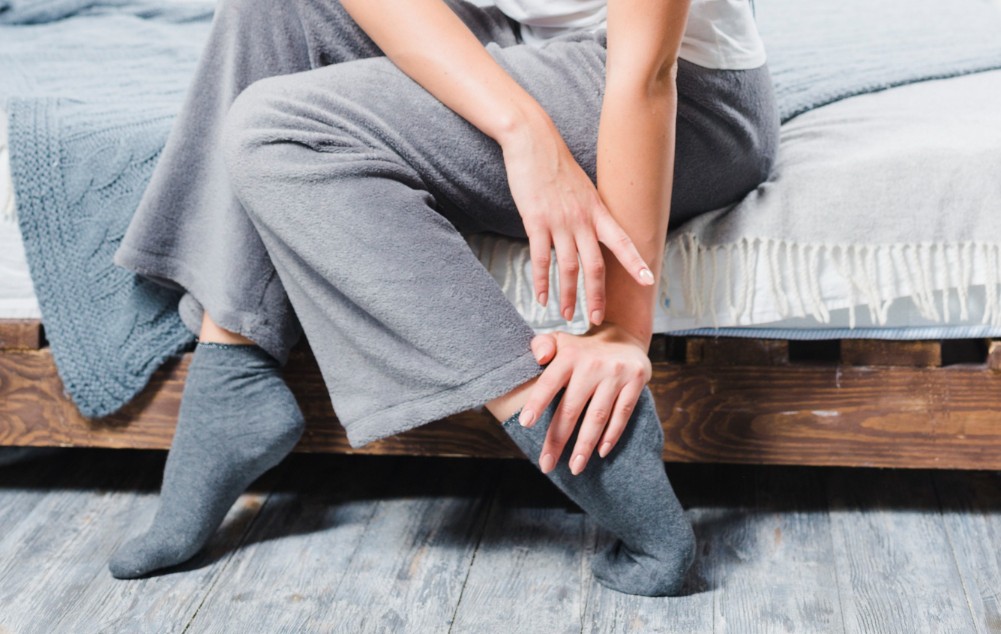
When winter arrives, most people instinctively swap sandals for closed shoes and thicker socks. That cosy change, however, creates a warm, dark, humid microenvironment around the toes, ideal conditions for sweat-loving microbes and fungi to flourish. What starts as a nuisance, smelly socks and damp shoes, can progress to athlete's foot (tinea pedis), fungal nail disease, secondary bacterial infections and significant discomfort, especially in people who sweat excessively (hyperhidrosis) or who keep the same shoes on for long periods. Public health bodies and medical reviews repeatedly link tight, non-breathable footwear, prolonged moisture and poor foot hygiene to higher rates of fungal infections and odour-producing bacterial growth.
This winter, simple habits, from choosing breathable footwear to rotating shoes and changing socks more often, can sharply reduce risk. Here's what you need to know.
Why Covered Shoes And Socks Lead To Smelly, Unhealthy Feet
- The microbiology of foot odour: Foot odour results from microbial metabolism: resident skin bacteria (for example, Staphylococcus epidermidis and other species) break down amino acids and sweat components into volatile organic compounds (VOCs) such as isovaleric acid, which produce that characteristic cheesy or sour smell. Moist, warm conditions accelerate bacterial growth and VOC production.
- Fungi love moisture and darkness: Dermatophyte fungi that cause tinea pedis thrive in occluded, moist environments, especially between toes. Studies and clinical reviews note that closed footwear, excessive sweating and prolonged exposure to wet socks are consistent risk factors for athlete's foot and fungal nail disease.
- In-shoe microclimate matters: Research measuring temperature and relative humidity inside shoes shows that non-breathable uppers and tight fits increase foot skin temperature and humidity, conditions linked to higher incidence of fungal infection. The internal environment of footwear is therefore an independent risk factor.
- Hyperhidrosis amplifies harms: People with primary or secondary hyperhidrosis (excessive sweating) have a higher likelihood of fungal and bacterial complications and report worse quality of life; wet feet are a consistent trigger for infection.
Winter Feet: Health Consequences Beyond Bad Smell
- Athlete's foot (tinea pedis): This condition comes with symptoms like itching, scaling, fissures between toes and can spread to nails (onychomycosis) and sometimes to other body parts. Untreated fungal lesions can allow bacterial superinfection.
- Fungal nail disease: More common with chronic moisture and can be stubborn to treat, sometimes requiring prolonged topical or systemic antifungals.
- Bacterial infections: Broken skin from scratching or maceration can permit bacteria to invade, causing cellulitis, particularly risky for people with diabetes or peripheral vascular disease.
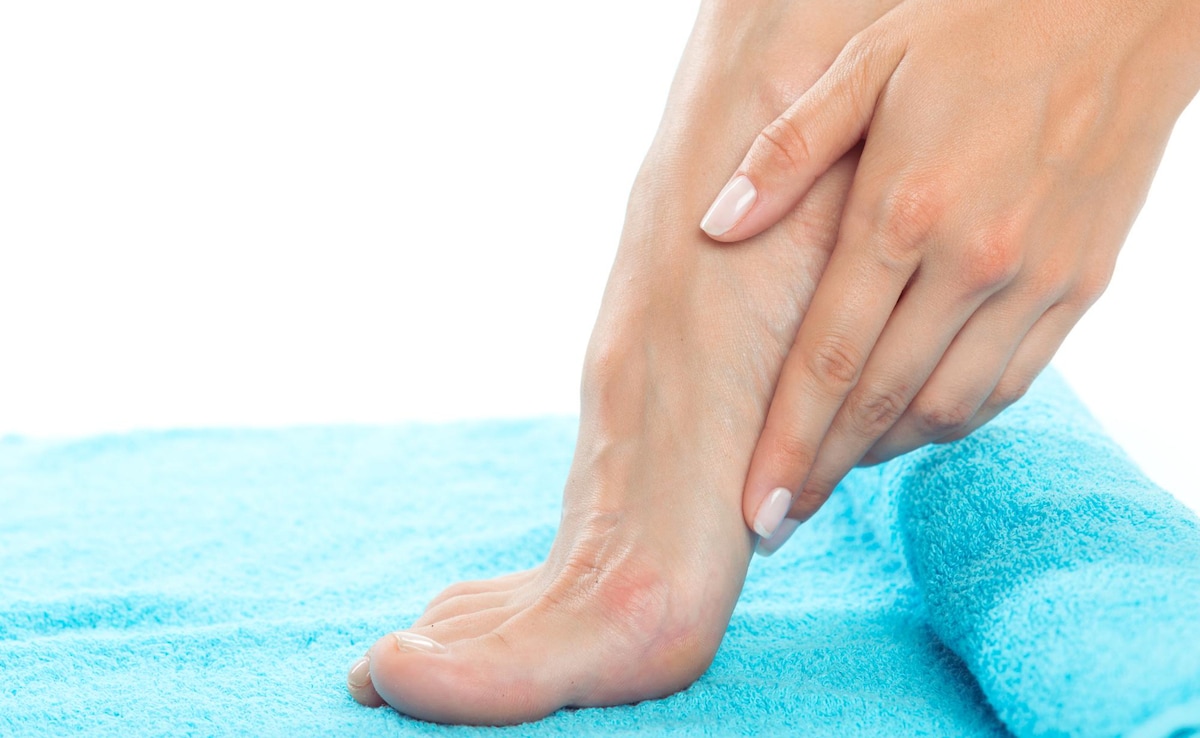
Tips to maintain feet health in winter
Photo Credit: Freepik
Before You Get Cold And Smelly Feet: Prevention And Care Tips
- Choose breathable footwear and socks. Opt for leather or technical breathable materials and moisture-wicking socks. Rotate shoes, don't wear the same pair two days in a row, so footwear dries out between uses.
- Change socks daily (or more often). For sweaty days, change into fresh, dry socks midday if possible. Use cotton blends or wicking synthetics rather than heavy wool layers against the skin.
- Dry feet thoroughly after washing. Pay attention to spaces between toes; residual moisture fosters fungi. The CDC and dermatology reviews stress hygiene and dryness as key preventive measures.
- Treat early. Over-the-counter antifungal creams or powders help for mild tinea pedis; see a clinician for persistent or nail disease. Avoid sharing towels, socks or footwear.
- Manage hyperhidrosis if present. Medical treatments (topicals, iontophoresis, oral medications, or botulinum toxin in select cases) can reduce sweating and lower infection risk, discuss with a specialist.
Smelly socks and sweaty feet in covered shoes are more than an embarrassing winter bother, they create a microenvironment that fuels bacteria and fungi, increasing the risk of athlete's foot, fungal nails and secondary infections. Preventive measures are straightforward, inexpensive and effective: breathable shoes, sock changes, shoe rotation, meticulous drying and timely treatment. If you have persistent symptoms, diabetes, circulatory problems or recurrent infections, seek medical advice promptly.
Disclaimer: This content, including advice, provides generic information only. It is in no way a substitute for a qualified medical opinion. Always consult a specialist or your own doctor for more information. NDTV does not claim responsibility for this information.