

)
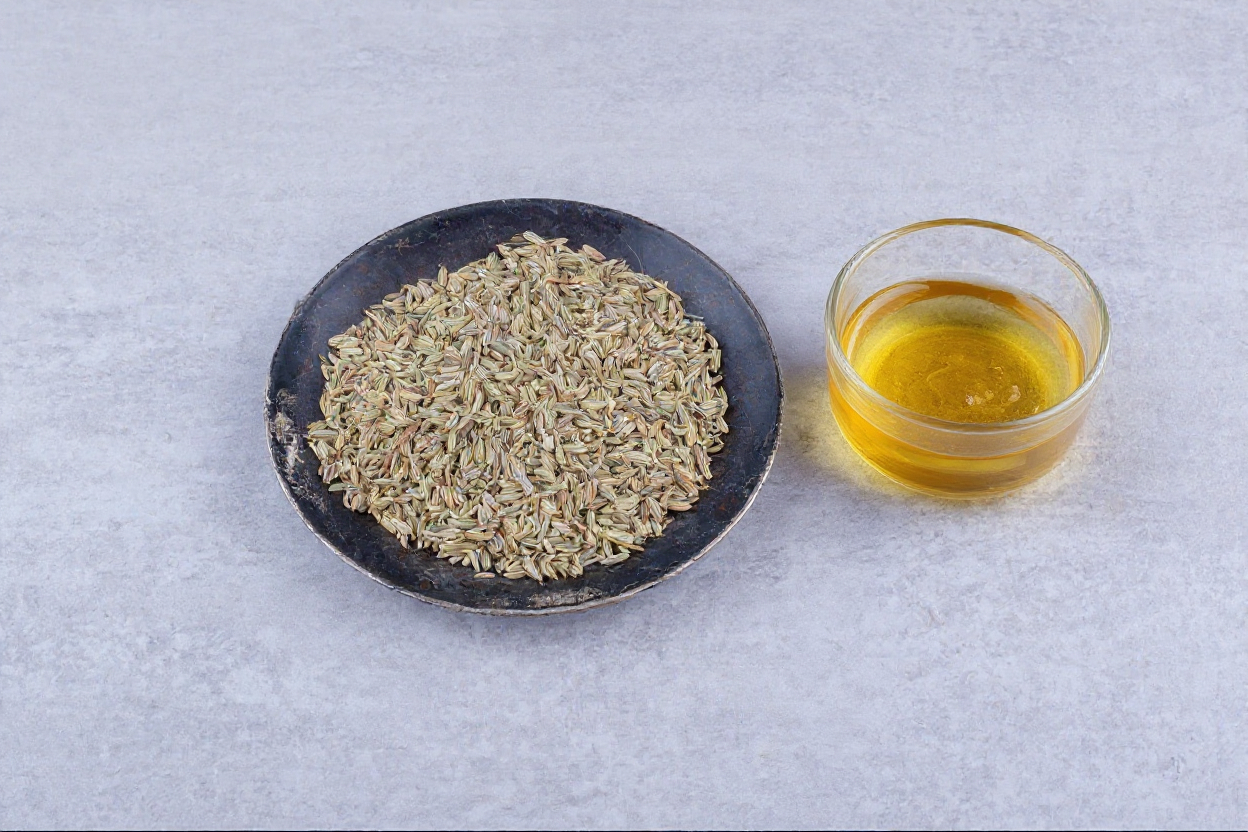
When a cold strikes, many people reach for ajwain oil or carom seeds oil, a traditional remedy that has been passed down through generations in Indian households. But does it really deliver the instant relief for cough and cold symptoms that so many believe? The answer might be surprising. As it is extracted from carom seeds grown primarily in Gujarat and Rajasthan, ajwain oil contains a powerful compound called thymol, known for its antimicrobial and aromatic properties. This has made it a go-to remedy for everything from sore throats and coughs to nasal congestion and fatigue. According to research, thymol shows potential in helping manage respiratory discomfort by supporting clearer airflow.
Yet, here's what most people don't know. While ajwain oil can provide comfort, scientific studies reveal it doesn't work like fast-acting medicine. The relief is mild, supportive, and temporary. So, if consuming ajwain oil isn't the instant cure many believe it to be, what does it actually do? And more importantly, is there a better way to use it for faster results?
How Ajwain Oil Helps In Relieving Cold Symptoms
Ajwain Oil May Support Digestion
Many people experience a slow digestive system as their body is dealing with a cold. Carom seed oil has traditionally been used to ease fullness or tightness in the stomach and ease discomfort. A study from the Central Council for Research in Ayurvedic Sciences highlights that carom seeds have been used in Ayurveda to support digestive balance. When digestion feels lighter, people often report feeling more at ease overall, which may indirectly help them cope better with the annoying symptoms of the cold. Not only in Ayurveda, but modern research in journals suggests that carom seeds are a digestive aid and have protective properties for the gastric system.
Warming Nature
In Ayurveda, carom seeds are considered to be warming. This warming effect is why many Indian households give carom seed water or roasted carom seeds to people experiencing cold-related discomfort. The warmth may help soothe the throat or chest temporarily. While this doesn't "cure" a cold, it can make symptoms feel less bothersome for a short while. Studies suggest that carom seeds have body-warming properties through their compound piperonal.
Antimicrobial Properties
Laboratory studies, including research from the Indian Institute of Integrative Medicine, have shown that carom seed extracts possess antimicrobial activity. This has led to the belief that carom seed oil may help the body manage infections better and boost overall immunity. But some findings signal caution that these findings are not the same as instant symptom relief. The body still needs time to recover, and carom seed oil should be seen as a supportive home remedy rather than a quick fix.
Read More: Can Chewing Ajwain After Dinner Relieve Acidity, Gas And Bloating?
Traditional Use Suggests Comfort
Across India, carom seeds have been used for generations in remedies like ajwain kadha, ajwain salt mix, and ajwain-infused oils. These practices focus on comfort, warmth, and ease of breathing. While many people feel better after using them, the relief is usually mild and temporary. Whereas symptoms of a cold typically improve naturally over a few days as the body recovers. Carom seed oil application can act as a sleeping aid, as cold symptoms generally disturb the sound sleep cycle, which can worsen the recovery process.
Ajwain Steam May Work Faster
If the goal is quick relief from nasal congestion, many studies point to taking steam inhalation with carom seeds, as some people may feel it is more effective than consuming carom seed oil. The warm vapour helps loosen mucus, and the aroma of thymol can make breathing feel easier. This is a common Indian home remedy and is often preferred for immediate comfort. Still, the effect is temporary and varies from person to person.
Read More: Saunf And Ajwain Tea: Know Impressive Health Benefits Of This Herbal Tea
Why People Need To Exercise Caution
Pure ajwain oil is highly concentrated, which means that the helpful compounds are present in concentrated amounts. Ayurveda generally recommends using it in very small, diluted amounts, if at all, as overconsumption may cause irritation or digestive discomfort. Most traditional remedies use carom seeds, not the concentrated oil, but seeds for daily use. Anyone considering ajwain oil should do so carefully and ideally consult a qualified practitioner.
Colds usually resolve naturally, and supportive remedies like carom seed oil can help people feel better while the body recovers. Carom seed oil has properties that may support comfort during cold symptoms, especially in the Indian winter months. Its warming nature, thymol content, and traditional use make it a popular home remedy. But studies emphasise that it does not offer instant relief, but instead, it provides mild, short-term comfort that can help people feel better while the body heals on its own. If symptoms persist or worsen, seek medical guidance from doctors.
Disclaimer: This content, including advice, provides generic information only. It is in no way a substitute for a qualified medical opinion. Always consult a specialist or your own doctor for more information. NDTV does not claim responsibility for this information.