

)
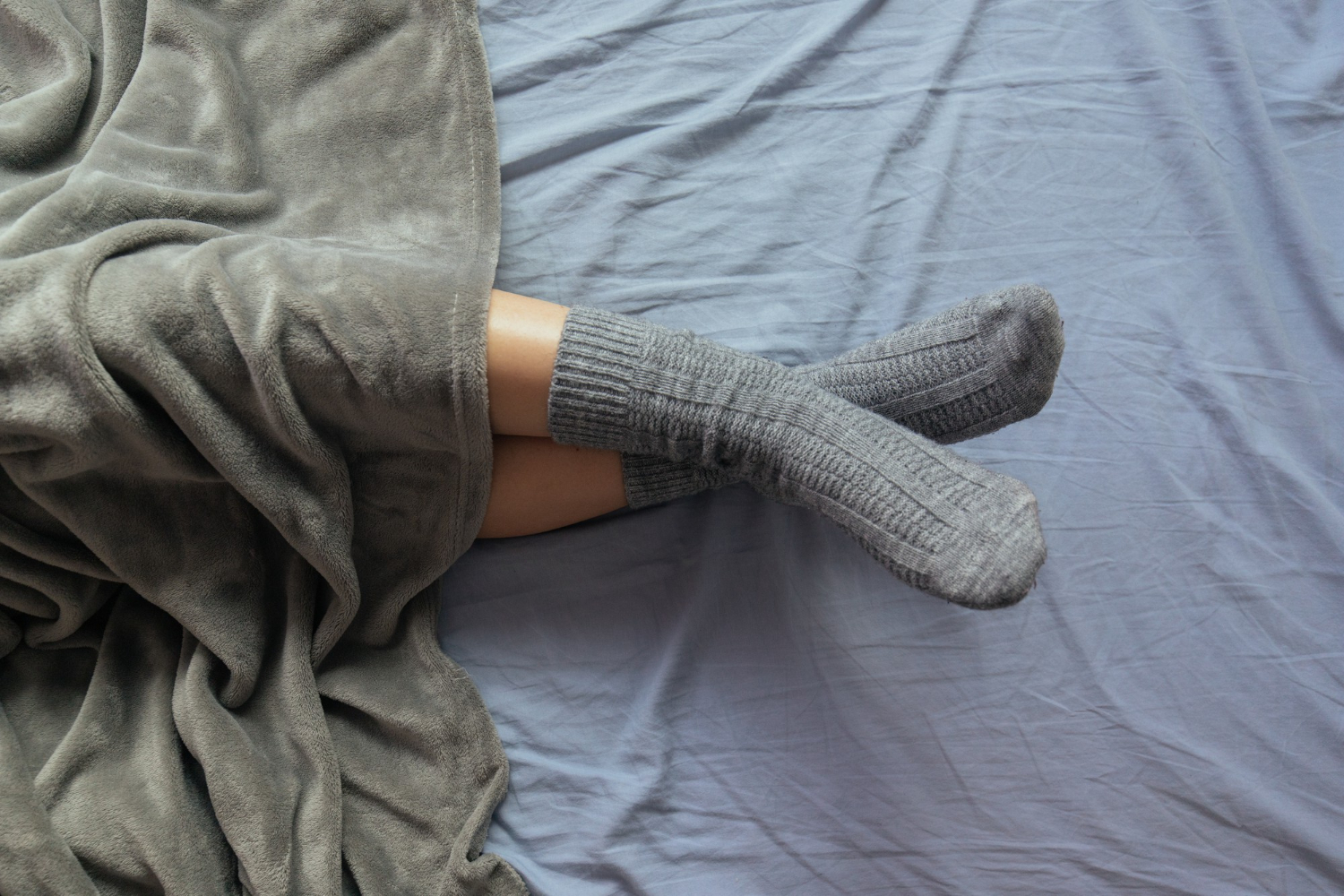
As temperatures drop, many people slip into bed with an extra blanket, a hot water bottle, and sometimes, with socks on. That feeling you get when your entire body is warm and cosy, but your feet are as chilled as a glass of lemonade in summers is likely to lead to disturbed sleep and you know it. So, putting on some soft socks makes absolute sense. But is sleeping with your socks on actually good for you? For years, the idea has sparked debate. Some believe socks help them fall asleep faster and stay warm all night, while others feel too hot, restricted or uncomfortable.
As winter sets in across India, the question becomes especially relevant: Should you sleep with your socks on?
Emerging sleep science suggests that warming your feet before bed may help your body enter sleep more easily. According to sleep researchers, vasodilation or the widening of blood vessels in the hands and feet, plays a key role in lowering core body temperature, a necessary signal for sleep onset. Warm feet can therefore support this natural cooling cycle, helping the brain initiate sleep more smoothly.
However, socks at night are not ideal for everyone. People with circulation problems, fungal infections, nerve issues or extremely warm bedrooms may experience discomfort or worsening symptoms. Understanding when socks help and when they don't can make your winter sleep both safer and more restful. Here's what the science says.
The Health Benefits Of Sleeping With Socks On
1. Helps You Fall Asleep Faster
A study published in Journal Of Sports Medicine and Physical Fitness in 2025 found that warming the feet before bedtime increases blood vessel dilation and promotes faster sleep onset in adults. Wearing socks creates gentle warmth, triggering this natural physiological process and helping you drift off more quickly.
2. Improves Sleep Quality
Lowering core body temperature, while keeping extremities warm, is associated with deeper, uninterrupted sleep. The National Sleep Foundation explains that warm feet support thermoregulation, making sleep cycles more stable. This can be especially helpful in winter, when cold feet may otherwise keep you awake.
3. Better Circulation, Especially in Cold Weather
The Cleveland Clinic notes that blood vessels constrict in cold conditions, reducing circulation in feet and fingers. Socks prevent this constriction, promoting healthy blood flow and reducing the risk of numbness, tingling or nighttime cramps.
4. Helps With Raynaud's Disease
Raynaud's disease causes painful episodes where fingers or toes turn numb or white due to reduced blood flow. Wearing warm socks at night helps prevent attacks triggered by sudden drops in temperature.
5. Prevents Dry, Cracked Heels
Cotton or wool socks lock in moisture, especially when paired with a gentle moisturizer. This reduces winter dryness, heel fissures and skin irritation.
Also Read: Sleeping With Your Face Covered In Winter: Cosy Comfort Or Health Risk?
Possible Downsides Of Sleeping With Socks On
1. Overheating and Night Sweats
If your room is warm or you naturally run hot, socks may trap heat and cause night sweats. Overheating can disrupt sleep cycles rather than improve them.
2. Risk of Fungal or Bacterial Growth
Wearing tight, synthetic or unwashed socks can trap moisture, creating an ideal environment for fungal infections like athlete's foot. The US Centres for Disease Control and Prevention (CDC) notes that warm, damp environments increase the risk of fungal growth.
3. Poor Circulation if Socks Are Too Tight
Tight elastic bands may restrict blood flow rather than improve it. This is especially important for people with:
- Diabetes
- Peripheral artery disease
- Neuropathy
The American Diabetes Association recommends loose, breathable socks to avoid circulation problems in people with diabetes.
4. Skin Irritation or Allergies
Some people may react to certain fabrics or detergents. Natural, breathable fabrics are less likely to cause irritation.
Also Read: 12 Science-Backed Health Hacks For Deep Sleep
Best Practices: How To Sleep Safely With Socks On
- Choose loose, breathable fabrics like cotton, bamboo, wool or thermal socks.
- Avoid tight elastics, compression socks or synthetic fabrics at night.
- Keep feet clean and dry before wearing socks.
- Moisturize lightly to prevent dryness without creating excessive moisture.
- Change socks daily and never sleep in socks worn outside.
- Keep bedroom temperature cool; socks should warm feet, not overheat the body.
Who Should Avoid Sleeping With Socks?
You may want to avoid nighttime socks if you have:
- Foot infections
- Excessive sweating
- Eczema flare-ups on feet
- Poor circulation due to tight socks
- Neuropathy with reduced ability to sense temperature
Consult your doctor if you have diabetes or vascular conditions before using warming methods.
Sleeping with socks on in winter can genuinely help you fall asleep faster, sleep more deeply and maintain healthy circulation. However, it isn't a one-size-fits-all solution. The choice depends on your body temperature, foot health and underlying medical conditions. For many, breathable, loose socks offer comfort and warmth. For others, especially those prone to overheating or fungal infections, it may be better to skip them. Understanding your body's signals is the key to choosing what helps you sleep best.
Disclaimer: This content including advice provides generic information only. It is in no way a substitute for a qualified medical opinion. Always consult a specialist or your own doctor for more information. NDTV does not claim responsibility for this information.