

)
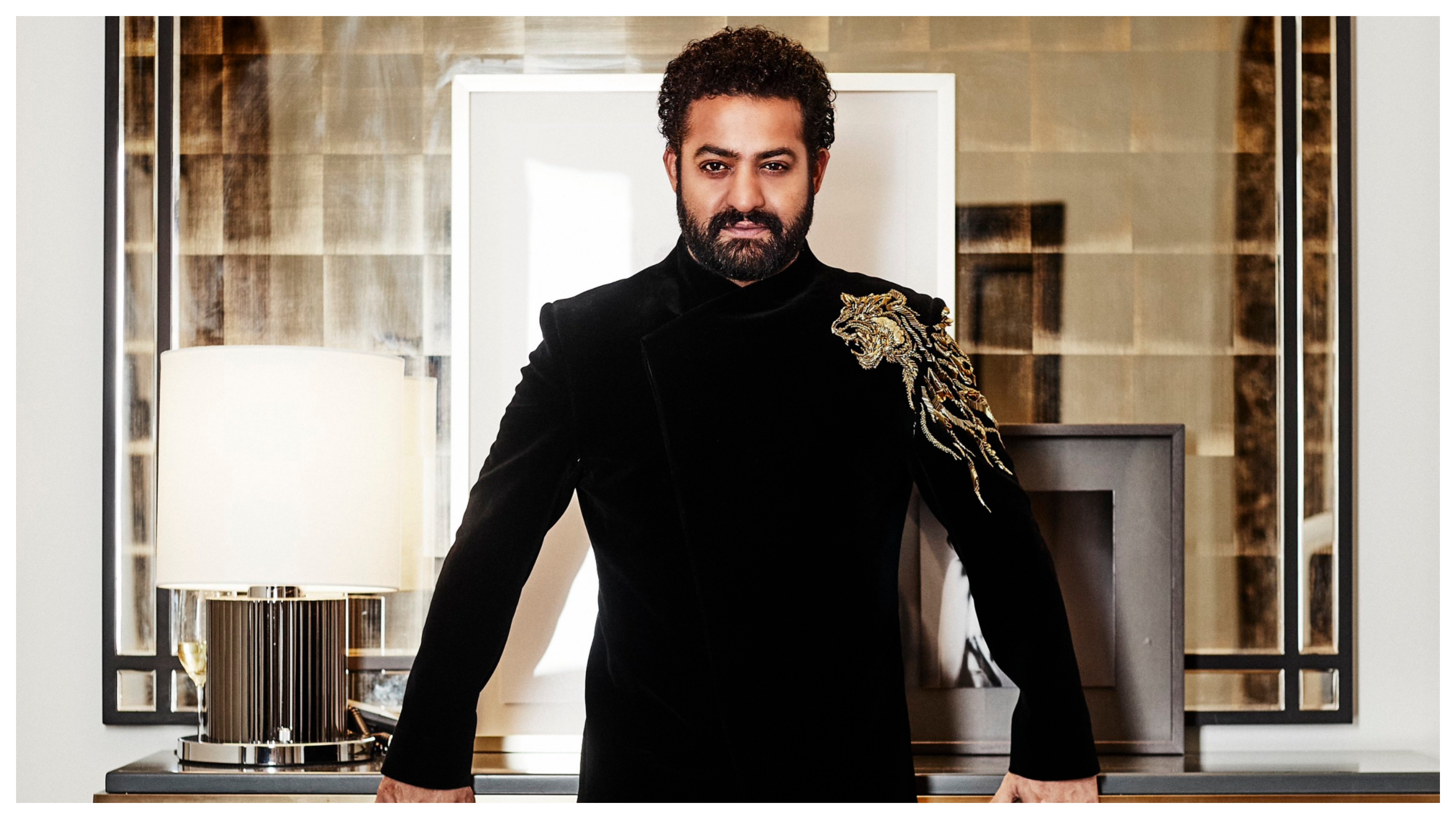
Jr NTR has undergone arthroscopic shoulder surgery at KIMS Hospitals in Secunderabad after consulting a team of medical specialists. The actor later took to X to thank his doctors, family, friends and fans for their support, saying that the procedure was successful and that he was doing well. The development has also raised questions about shoulder surgery recovery, particularly for actors whose work involves physically demanding shoots, action sequences, stunts, weight training and repetitive upper-body movements. While arthroscopic surgery is performed through small incisions and is generally less invasive than traditional open surgery, experts caution that the size of the incision does not determine how quickly the shoulder heals. The underlying tissues still require adequate time to recover, and rehabilitation plays a major role in determining when a person can safely return to demanding physical activity.
What Is Arthroscopic Shoulder Surgery?
Arthroscopy is a minimally invasive surgical technique in which doctors use a small camera, called an arthroscope, to examine and treat problems inside a joint. During shoulder arthroscopy, surgeons make small incisions through which specialised instruments and a camera are inserted. Depending on the injury, the procedure may involve repairing structures such as the rotator cuff or labrum, addressing instability, or treating other damaged tissues inside the shoulder. The exact recovery timeline therefore varies considerably from one patient to another.
Dr Amit Priyadarshi, Sr Consultant and Asst Professor, HOD, Orthopaedics, Amrita Hospital, Faridabad, explains that although arthroscopic surgery involves relatively small incisions, the tissues beneath the surface may take considerably longer to heal.
"Arthroscopic shoulder surgery may involve very small incisions, but the biological healing that takes place underneath can take months," he says. This is why a reported recovery period of two to three months should not necessarily be interpreted as a complete return to unrestricted physical activity.
How Long Does It Take To Recover From Shoulder Surgery?
There is no single recovery timeline applicable to every arthroscopic shoulder procedure. A person may be able to perform basic daily activities relatively early in recovery, while returning to heavy lifting, sports, overhead movements or physically demanding work can take considerably longer. The recovery period depends largely on what was injured and what was repaired during surgery. A procedure involving the rotator cuff, for example, can have a different rehabilitation timeline from surgery involving the labrum or shoulder capsule.
The quality of the tissue, severity of the injury, patient's age, overall fitness and adherence to rehabilitation can also influence recovery. Dr Priyadarshi points to research involving patients recovering from arthroscopic rotator-cuff repair, which demonstrates why recovery should be viewed as a gradual process rather than a fixed deadline.
According to the data he cites, patients experienced approximately 74-75% of their eventual pain improvement by three months. However, functional recovery was much slower, with only around half of the eventual improvement achieved by that stage.
Around 81-88% of functional improvement occurred by six months, while maximum recovery appeared to occur closer to one year in some patients.
This does not mean that everyone undergoing shoulder arthroscopy needs a year before returning to normal life. Instead, it highlights the difference between feeling better and being completely recovered.
Why Being Pain-Free Does Not Mean You Are Fully Recovered
Pain is one of the most obvious symptoms following an injury or surgery. As pain decreases, patients may naturally feel that they are ready to resume their previous activities. But the shoulder may still lack the strength, stability, mobility and endurance required for demanding physical activity. "Pain-free is not enough for a stunt actor, weight training or repetitive overhead movements," says Dr Priyadarshi. For someone whose profession involves action sequences or physically intense performances, simply being able to move the shoulder without significant discomfort may not be enough to safely return to work. Doctors and physiotherapists may assess several parameters before clearing a patient for more strenuous activity. These include:
- Range of motion
- Muscle strength
- Shoulder stability
- Functional control
- Endurance
- Ability to tolerate progressive loading
The goal is to ensure that the shoulder can withstand the demands that will be placed on it rather than simply confirming that the pain has disappeared.
Rehabilitation Is A Crucial Part Of Recovery
Physiotherapy is often an essential component of recovery following shoulder surgery. Initially, rehabilitation may focus on protecting the repaired tissues and gradually restoring movement. As healing progresses, exercises can be introduced to improve muscle activation, strength and shoulder control. The intensity of training is generally increased gradually rather than immediately returning to pre-injury weights or activity levels. This progression is particularly important for athletes and actors because their shoulders may be subjected to repeated overhead movements, heavy resistance training, falls, combat choreography or stunts. Dr Priyadarshi emphasises that rehabilitation should not be viewed as an optional part of treatment. "Rehabilitation is not optional aftercare; it is essentially the second half of the surgery," he says. Following the rehabilitation plan can help restore function while reducing the risk of putting excessive stress on healing tissues.
What Happens If Someone Returns Too Soon?
One of the biggest risks during recovery is doing too much too soon. Even when pain has improved significantly, the tissues repaired during surgery may not yet have regained their full strength. Returning prematurely to heavy lifting, repetitive overhead movements or contact activities could place excessive stress on the shoulder. This may delay recovery and, depending on the procedure and injury, potentially compromise the repair. For this reason, patients are generally advised to follow their surgeon's and physiotherapist's recommendations rather than using pain as the only indicator of readiness. A gradual increase in workload allows the medical team to assess how the shoulder responds to increasing demands.
When Can Actors Return To Physically Demanding Shoots?
For an actor, returning to work does not necessarily mean returning to every physical activity at once. A gradual return may involve beginning with activities that place relatively low demands on the shoulder before progressing to more challenging movements. Action scenes, stunt work, weight training and repetitive overhead movements may require additional assessment before they are resumed. The precise timeline depends on the surgical procedure and the individual's recovery.
This is why a two- or three-month estimate should be understood as a possible stage in the recovery journey rather than a guarantee that the shoulder will immediately be ready for unrestricted physical activity.
Jr NTR's successful arthroscopic shoulder surgery marks the beginning of his recovery rather than the end of it. While minimally invasive surgery can help treat shoulder injuries with smaller incisions, the deeper tissues still need time to heal. For many patients, pain may improve considerably within the first few months, but strength and full functional recovery can take longer.The safest return to demanding activities should therefore be based on healing, range of motion, strength, stability and endurance rather than a calendar date alone.
For actors and athletes, where the shoulder may face considerably greater physical demands, a carefully monitored rehabilitation programme becomes even more important. As Dr Priyadarshi puts it, the biggest mistake after successful surgery is allowing early pain relief to create a false sense of confidence. Feeling better is an important milestone, but being ready for high-impact activity is a separate stage of recovery.
Disclaimer: This content including advice provides generic information only. It is in no way a substitute for a qualified medical opinion. Always consult a specialist or your own doctor for more information. NDTV does not claim responsibility for this information.