

)
Protein is one of the most discussed macronutrients. It is essential for building muscles and repairing tissues, and it also plays a key role in the production of enzymes and hormones, as well as in supporting immune function. A diet rich in protein can help maintain muscle mass, promote feelings of fullness, and aid in weight management.
Paneer or cottage cheese is an excellent source of protein, particularly for vegetarians. Paneer contains about 18 to 21 grams of protein per 100 grams. It is also a complete protein, meaning it provides all nine essential amino acids that the body cannot produce on its own. Additionally, paneer is rich in calcium and other nutrients, making it a nutritious choice for those looking to increase their protein intake.
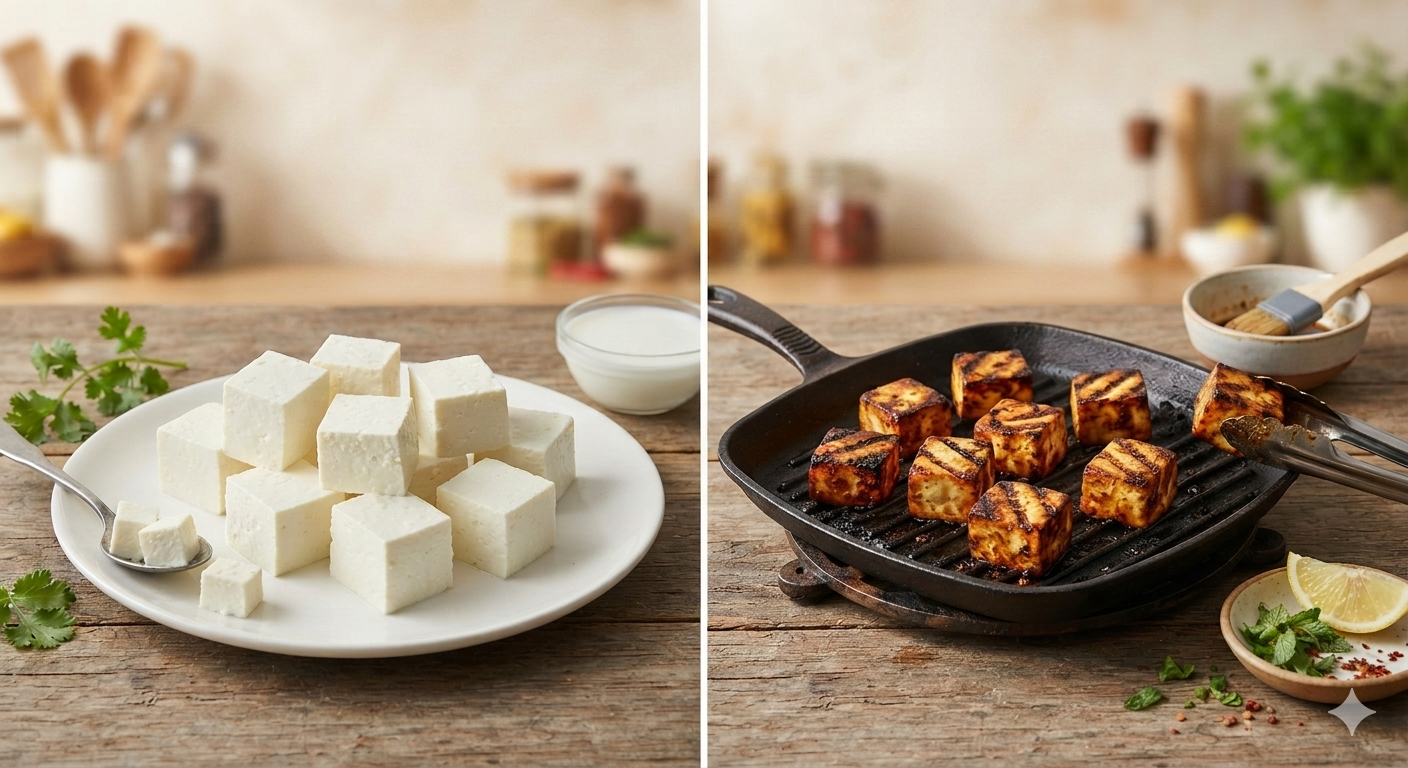
Raw vs Cooked Paneer: Which contains more protein
When it comes to raw versus cooked paneer, both forms can be beneficial, but cooking may offer certain advantages.
"Cooked paneer would have more protein per weight. Cooking reduces moisture, making paneer more concentrated. So, per gram, cooked paneer contains more protein than raw paneer. However, raw paneer has more protein per calorie. As cooking comes with added fat that increases the calorie density of the preparation," says renowned nutritionist Lovneet Batra.
Cooking method matters
Cooking paneer can make it easier to digest, as heat can break down some of the proteins and make them more accessible. However, some nutrients may be lost during cooking, especially if paneer is overcooked.
"The quantity of protein in paneer does not change regardless of whether it is consumed in its raw form or after cooking. Cooking processes like steaming, grilling, or light frying do not affect paneer's protein amount significantly. However, deep frying and cooking paneer for long durations and at high temperatures is sure to increase its fat and calorie content," says Dietician Prachi Jain, Senior Manager and HOD - Nutrition and Dietetics, Max Super Speciality Hospital, Vaishali.
Lightly cooking paneer, such as sautéing or adding it to curries, can enhance its flavour while preserving most of its nutritional benefits. Ultimately, whether raw or cooked, paneer remains a great source of protein.
Best practices to retain protein
"To increase protein consumption, opt for a proper-quality protein source at each meal rather than depending solely on paneer. Combine paneer with other whole grains such as roti, quinoa, or brown rice and consume pulses, beans, and vegetables for a more balanced diet. Lastly, make sure to include portion control, have a variety of protein-based foods, and exercise regularly for better muscle health and nutrition," recommends Ms Prachi Jain.
- Lightly toss the cubes in a non-stick pan with a drop of olive oil or ghee instead of deep-frying.
- Warm the raw block in a microwave for 20-30 seconds to soften it without losing structural nutrients.
- If making a gravy dish, drop the raw cubes into the hot curry right before turning off the stove rather than letting them simmer for a long time.
- Combine paneer with whole grains, legumes, and vegetables for a balanced meal that provides a range of nutrients.
- Include paneer in salads, curries, wraps, or sandwiches to diversify your meals and increase protein intake.
- Enjoy paneer cubes as a healthy snack on their own or with fruits and nuts.
- Opt for low-fat paneer if you are watching your calorie intake, while still benefiting from the protein content.
By following these strategies, you can effectively incorporate paneer into your diet and enhance your overall protein consumption. "On average, aim for 20g protein per meal," Batra recommends.
Disclaimer: This content including advice provides generic information only. It is in no way a substitute for a qualified medical opinion. Always consult a specialist or your own doctor for more information. NDTV does not claim responsibility for this information.