

)
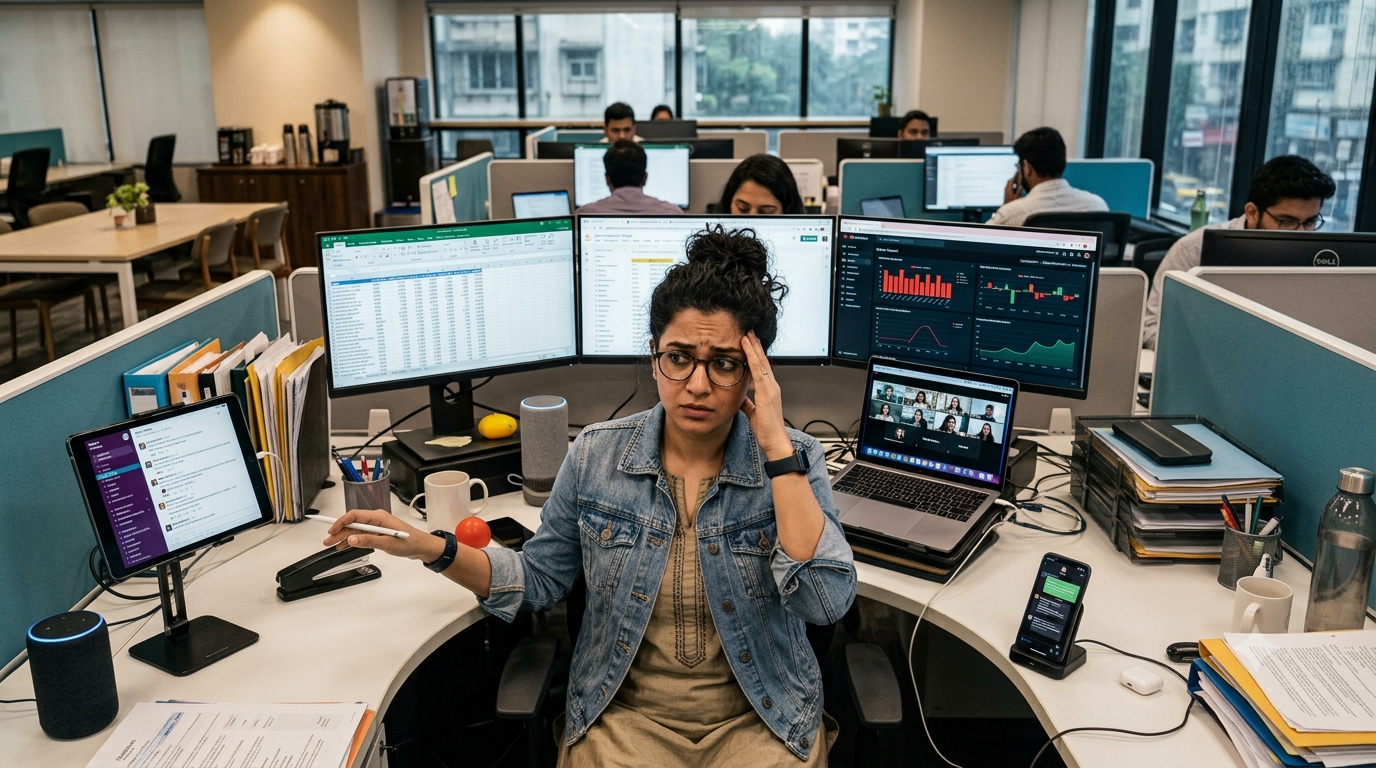
Digital devices have become central to work, education and daily communication. From the moment the day begins until it ends, screens often remain within reach. While technology has simplified many aspects of life, growing evidence suggests that constant digital engagement may influence how the brain processes information, manages attention and maintains long term cognitive health. The concern is not technology itself but the way it is used. The brain is designed to adapt to repeated patterns of behaviour.
When daily routines become dominated by prolonged screen time, frequent notifications and uninterrupted information flow, the brain gradually adjusts to this environment. Over time, this may affect attention span, memory, sleep quality and emotional regulation.
One of the less discussed consequences of excessive digital use is the reduction in physical activity. Hours spent sitting in front of computers or scrolling through mobile phones often replace walking, exercise or outdoor recreation. This matters because movement is closely linked to brain health. Regular physical activity improves blood circulation to the brain, supports the growth of healthy nerve connections and helps reduce inflammation. Studies have also shown that maintaining an active lifestyle lowers the risk of age-related cognitive decline, including dementia.
Another area receiving increasing attention is the quality of social interaction. Digital platforms make communication easier than ever before, yet online conversations cannot completely replace direct human interaction. Face to face discussions involve verbal communication, facial expressions, body language and emotional responses that stimulate multiple regions of the brain simultaneously. These interactions contribute to cognitive reserve, the brain's ability to cope with ageing and neurological disease.
Research also highlights the importance of active learning in maintaining brain function. Activities that require sustained attention, problem solving and creativity strengthen neural networks throughout life.
Examples include:
- Reading books or long form articles
- Learning a new language or musical instrument
- Solving puzzles and strategy-based games
- Developing practical or creative skills
By comparison, prolonged viewing of rapidly changing short videos or endlessly scrolling through personalised content often requires minimal mental effort. Although entertaining, passive digital consumption provides fewer opportunities for deep concentration or reflective thinking.
Sleep is another area where digital habits can influence brain health. Exposure to blue light from mobile phones, tablets and laptops during the evening suppresses melatonin, the hormone responsible for regulating the sleep wake cycle. Difficulty falling asleep, interrupted sleep and reduced sleep quality may follow. Poor sleep has been associated with impaired memory, reduced concentration, mood disturbances and slower cognitive performance. Research has also shown that healthy sleep plays an important role in clearing waste products from the brain, making it essential for long term neurological health.
The continuous stream of notifications, emails and digital updates also affects how the brain responds to stress. Frequent interruptions encourage constant task switching, making it difficult to maintain prolonged attention. This state of continuous alertness may increase mental fatigue and contribute to anxiety or burnout in some individuals. Rather than allowing the brain periods of rest, constant stimulation keeps cognitive systems engaged for much longer than they were designed to be.
Recent estimates suggest that adults in many countries now spend more than six hours each day using digital media outside work related requirements, while adolescents often spend even longer on recreational screen use. Although these patterns vary between individuals, they reflect a growing dependence on digital environments across all age groups.
Maintaining healthy digital habits does not require giving up technology. Instead, balance remains the most effective approach.
Simple measures that support brain health include:
- Taking regular breaks during prolonged screen use
- Scheduling time each day for physical activity
- Limiting recreational screen exposure before bedtime
- Prioritising direct conversations with family and friends whenever possible
- Making time for reading, hobbies and activities that require sustained mental engagement
Technology has transformed healthcare, education and communication, and its benefits are undeniable. However, allowing screens to replace movement, sleep, meaningful relationships and mentally stimulating experiences may gradually affect how the brain functions. These changes are often subtle and develop over years rather than weeks.
Brain health is influenced by everyday choices made consistently over time. Using digital technology with greater awareness while protecting sleep, physical activity, social connection and lifelong learning offers a practical way to preserve cognitive function. In an increasingly connected world, maintaining a healthy brain depends not only on staying informed but also on knowing when it is time to disconnect.
(By Dr. Jyoti Bala Sharma, Director, Neurology, Fortis Noida)
Disclaimer: The opinions expressed within this article are the personal opinions of the author. NDTV is not responsible for the accuracy, completeness, suitability, or validity of any information on this article. All information is provided on an as-is basis. The information, facts or opinions appearing in the article do not reflect the views of NDTV and NDTV does not assume any responsibility or liability for the same.