

)
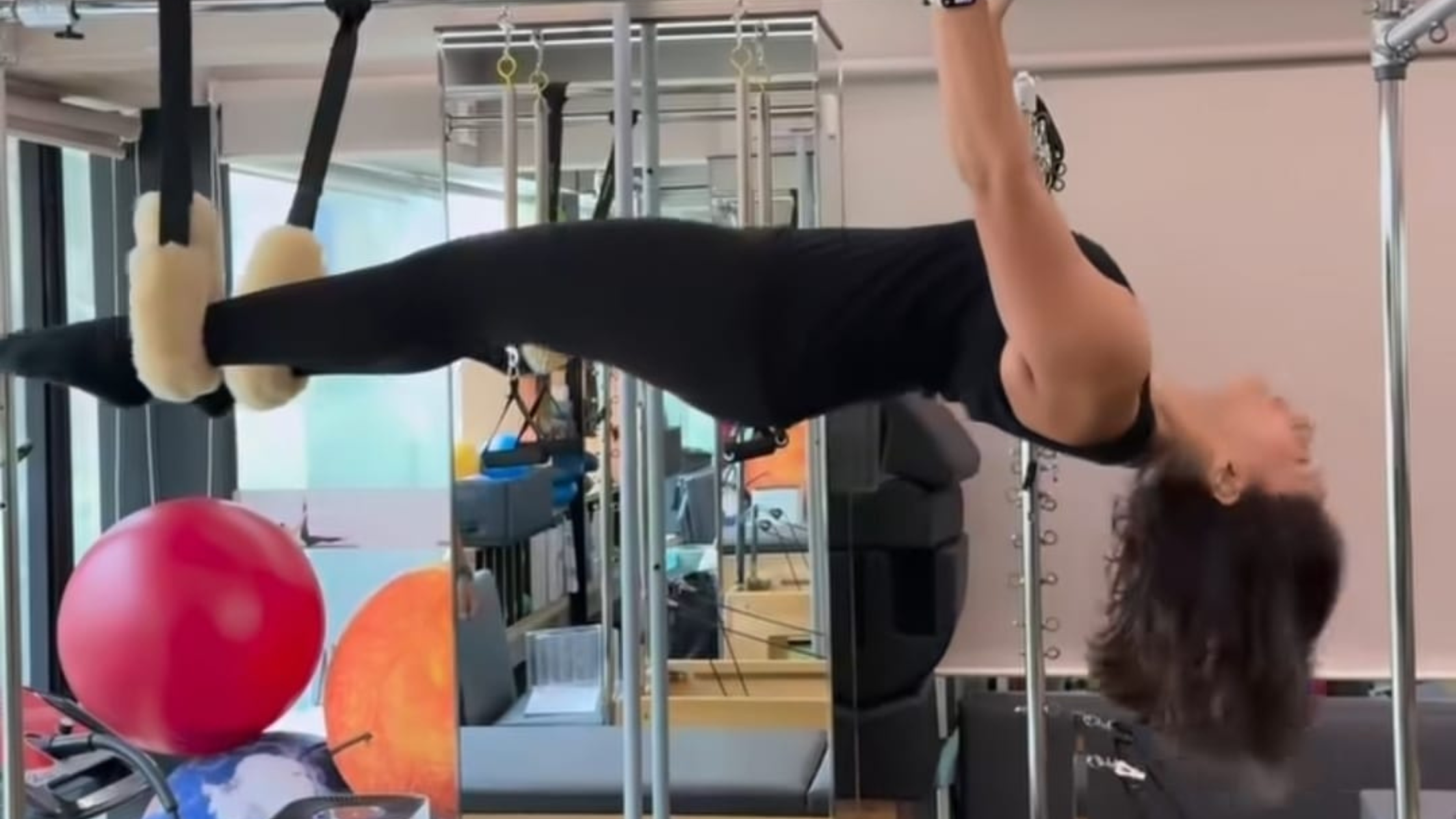
Actress Bipasha Basu revealed that she had been diagnosed with osteoarthritis about seven years back. Doctors warned her that she would not be able to dance or perform on stage again and made her commit to fitness by creating a routine that should help her manage her medical condition. "Seven years back I was diagnosed with osteoarthritis, and the doctors told me that I wouldn't be able to dance or do action sequences, and most of the time in my life I have to sit. That really broke me down. I was a really young girl, and I was like, 'Oh my God, this is not happening to me,'" she shared.
Osteoarthritis is a medical condition wherein symptoms such as pain due to physical activity, joint stiffness in the morning, reduced range of motion, difficulty in mobility, creaking or crackling sounds during knee movements, and joint swelling can occur. These symptoms need to be looked at by doctors for an effective diagnosis, and the degree of the condition influences the choice of treatment. One such treatment option is weight training that is performed carefully to strengthen the knee joints.
Can Young Adults Develop Osteoarthritis?
About 62.35 million people in India were living with osteoarthritis in 2019, according to the Global Burden of Disease. This health burden has risen from 23.49 million in 1990, indicating that attention and awareness about the condition should be raised.
Researchers are pointing to the following causes in the rise of osteoarthritis cases:
- Ageing population
- Obesity
- Injuries
- Occupational stress on the joints
Osteoarthritis Is Not Just An Ageing Disease
It is important to understand that osteoarthritis isn't just related to ageing; young people under the age of 50 are also getting diagnosed. The Journal of Family Medicine and Primary Care points to knee osteoarthritis being the most common type of osteoarthritis affecting the ageing population.
There is also a genetic component to developing the condition, as certain people's genes can make them more vulnerable to developing osteoarthritis.
What Is Osteoarthritis?
Osteoarthritis can be classified as a progressive and degenerative disease that results in the breakdown of joint cartilage. When the joints are weakened, the body starts experiencing signs such as knee, hip, hand, or spinal joint pain.
Common Symptoms Of Osteoarthritis
The Journal of Family Medicine and Primary Care highlights that symptoms such as:
- Joint pain
- Morning stiffness
- Reduced flexibility
- Swelling
- Clicking sounds during movement
These symptoms can affect people in varying degrees and need medical evaluation for proper and accurate diagnosis.
How Does Weight Training Help Manage Osteoarthritis?
Weight training is a preferred mode of exercise to help manage the joint pain that is common in osteoarthritis. The Journal of Personalised Medicine has pointed to resistance training being able to improve pain, muscle strength, and overall physical function.
Strengthens Muscles Around The Joint
When controlled weights are used as per your body's capacity to handle the stress, the muscles are forced to spring into action. During muscle recovery, your joints and knees become strengthened as the load on them due to lifestyle factors can be better managed.
Improves Stability And Balance
Strength training can make your core stronger, which regulates your overall fall risk. When people have weak joints, they can suffer from balance issues that can make them more prone to injuries, which can further make recovery and overall tissue healing complicated.
The Frontiers of Public Health has found that resistance training, when performed consistently for 6 months, could reduce the pain that stems from osteoarthritis.
Helps Control Body Weight
When muscles are mobilised, there can be better fat distribution in the body. This can result in taking the excess pressure that can be inflicted on the joints if you are overweight.
Additionally, strength training can improve your metabolism and enhance overall bodily functions alongside joint strength.
Reduces Pain And Improves Function
The Indian Journal of Orthopaedics points to positive improvements when strength training that involves your quadriceps and stretches your hamstrings is considered the first line in the treatment of osteoarthritis.
What Type Of Weight Training Is Safe For Osteoarthritis?
The exact type of weight training that is considered safe for those who have been diagnosed with osteoarthritis depends on how the exercise is performed, your form, and the specific weight used. Exercise is only beneficial when it is performed by taking your body movement and the targeted muscles into account. The BMJ journal has highlighted that these kinds of strength training exercises could be safely performed by those who have osteoarthritis:
- Bodyweight squats
- Resistance bands
- Leg press (under supervision)
- Seated strength exercises
- Low-impact functional training
Safety Tips
To make sure your exercise is yielding the desired result, you need to start it by keeping these safety tips in mind:
- Start gradually to make your body used to the type of resistance training you want to stick to.
- Focus on proper form for proper involvement of muscles.
- Avoid sudden heavy lifting, as it could stress out your joints and result in an injury.
- Work with a physiotherapist if needed for guidance and support, as it can make your exercise routine even safer.
What Does A Fitness Routine for Osteoarthritis Typically Include?
A fitness routine that keeps the body's needs in mind needs to be created by those who have osteoarthritis. Exercises such as:
- Strength training sessions with controlled weights.
- Functional movement exercises that involve most muscle groups.
- Mobility work that can make your joints stronger.
- Yoga and flexibility training that keeps your joints well-lubricated.
Recovery and consistency are important for ensuring your body can become stronger and be able to deal with the disease.
Exercises To Avoid During Flare-Ups
Osteoarthritis tends to flare up during weather changes, physical strain, or unguided physical movements. These flare-ups require extra care and guidance, as the joint pain can become unbearable. Particularly, these exercises should be avoided during flare-ups:
- High-impact jumping exercises that put undue stress on your fragile joints.
- Deep squats with pain are a sign that your joints can't handle the physical movement.
- Heavy unsupported lifting can complicate pain and result in spinal injuries.
- Repetitive stress movements can cause microdamage to your ligaments and tendons, worsening joint pain.
When Should You See A Doctor?
Osteoarthritis should be taken seriously, as a flare-up can worsen the symptoms and make it harder to even move at times. If you are experiencing any of the following, then a visit to an orthopaedist is necessary:
- Persistent joint pain
- Difficulty walking
- Joint swelling
- Loss of mobility
Symptoms affecting daily life also warrant a visit to a specialist, as timely diagnosis means that timely treatment can be prescribed.
For long-term health of your joints, you need to adopt healthy fitness routines such as weight training. But performing them under medical guidance and keeping your body's limits in mind can help you manage osteoarthritis better.
Disclaimer: This content including advice provides generic information only. It is in no way a substitute for a qualified medical opinion. Always consult a specialist or your own doctor for more information. NDTV does not claim responsibility for this information.