

)
Each morning when we stand in front of the mirror with a comb in hand, we believe we are simply styling our hair. In reality, hair plays a much larger role in shaping our appearance and confidence. For many people, good hair days uplift mood, while hair concerns can impact self-image. From children to adults, healthy, voluminous hair is widely associated with vitality and self-assurance. However, not everyone is blessed with lasting hair density. With changing lifestyles, stress, and dietary habits, hair loss has become increasingly common across age groups. For many individuals, progressive hair thinning or baldness can be emotionally challenging and, in some cases, affect mental well-being.
Hair transplantation has emerged as a dependable medical solution for hair restoration. Yet, despite its growing acceptance, the procedure is often misunderstood due to widespread myths and misinformation. Plenty of advertisements and the popularity of hair transplant treatments can often spread these myths even wider. So, it is critical to clarify common misconceptions around hair transplants and present factual, science-backed information to help individuals make informed decisions.
What Is Hair Transplant?
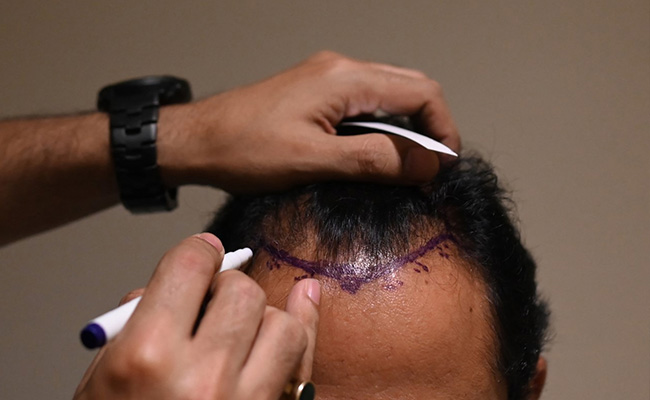
Hair transplant is a surgical procedure focused on restoring hair in the area affected by thinning or baldness. In this process, hair follicles are taken from the donor area and planted onto the affected areas. In most cases, the back or the sides of the scalp serve as the donor part. Hair transplant is a safe and effective procedure. However, selecting an experienced surgeon is essential to get the desired results.
Also Read: Why Women Experience Severe Hair Fall During Winters: Dermatologist Explains Causes
Understanding Common Myths And Facts About Hair Transplant
Myth 1: Only men need to get hair transplants
Fact: Hair transplants are often associated with men because male-pattern baldness is more commonly discussed. However, hair loss affects both men and women. Women experiencing thinning hair or pattern hair loss can also benefit from transplantation. Modern techniques such as FUE (Follicular Unit Extraction) and FUT (Follicular Unit Transplantation) are suitable for both genders and can deliver natural-looking results when appropriately planned.
Myth 2: No further treatment is required after a hair transplant
Fact: A hair transplant restores hair in specific areas but does not stop ongoing hair loss in non-transplanted regions. Post-transplant care and medical management are often recommended to maintain results. This may include topical applications, oral medications, or procedures such as PRP (Platelet-Rich Plasma) therapy. Consistent aftercare plays a key role in supporting long-term hair health.
Myth 3: Body hair transplants give the same results as scalp hair
Fact: Hair texture varies across different parts of the body. Scalp hair is generally finer and more suitable for achieving a natural appearance. Hair from the beard or body is usually thicker and coarser. While scalp hair remains the preferred donor source, body hair may be considered in select cases where scalp donor hair is insufficient. When used strategically, it can help improve overall coverage.
Also Read: Ashwagandha Benefits For Hair: How The Ayurvedic Herb Helps Hair Growth
Myth 4: Hair transplants are not possible after the age of 60
Fact: Age alone does not determine eligibility for a hair transplant. The primary considerations are donor hair quality, scalp condition, and overall medical fitness. Many individuals experience significant hair loss later in life and may still be suitable candidates if these factors are favorable.
Myth 5: Hair transplantation is very painful
Fact: Hair transplantation is performed under local anesthesia, which minimizes discomfort during the procedure. Patients may experience mild sensations such as pressure or pinpricks. Post-procedure discomfort, if any, is usually temporary and manageable. Most patients are able to return home the same day
Hair loss does not have to be accepted as inevitable. With accurate information, realistic expectations, and appropriate medical guidance, individuals can explore hair restoration options with clarity and confidence. Separating myths from facts is the first step toward making an informed choice.
(By Dr. Mayank Singh, MCh Plastic Surgery, ABHRS, FISHRS) - Founder of CROWN, New Delhi, and President of the Association of Hair Restoration Surgeons of India (AHRS))
Disclaimer: The opinions expressed within this article are the personal opinions of the author. NDTV is not responsible for the accuracy, completeness, suitability, or validity of any information on this article. All information is provided on an as-is basis. The information, facts or opinions appearing in the article do not reflect the views of NDTV and NDTV does not assume any responsibility or liability for the same.