

)
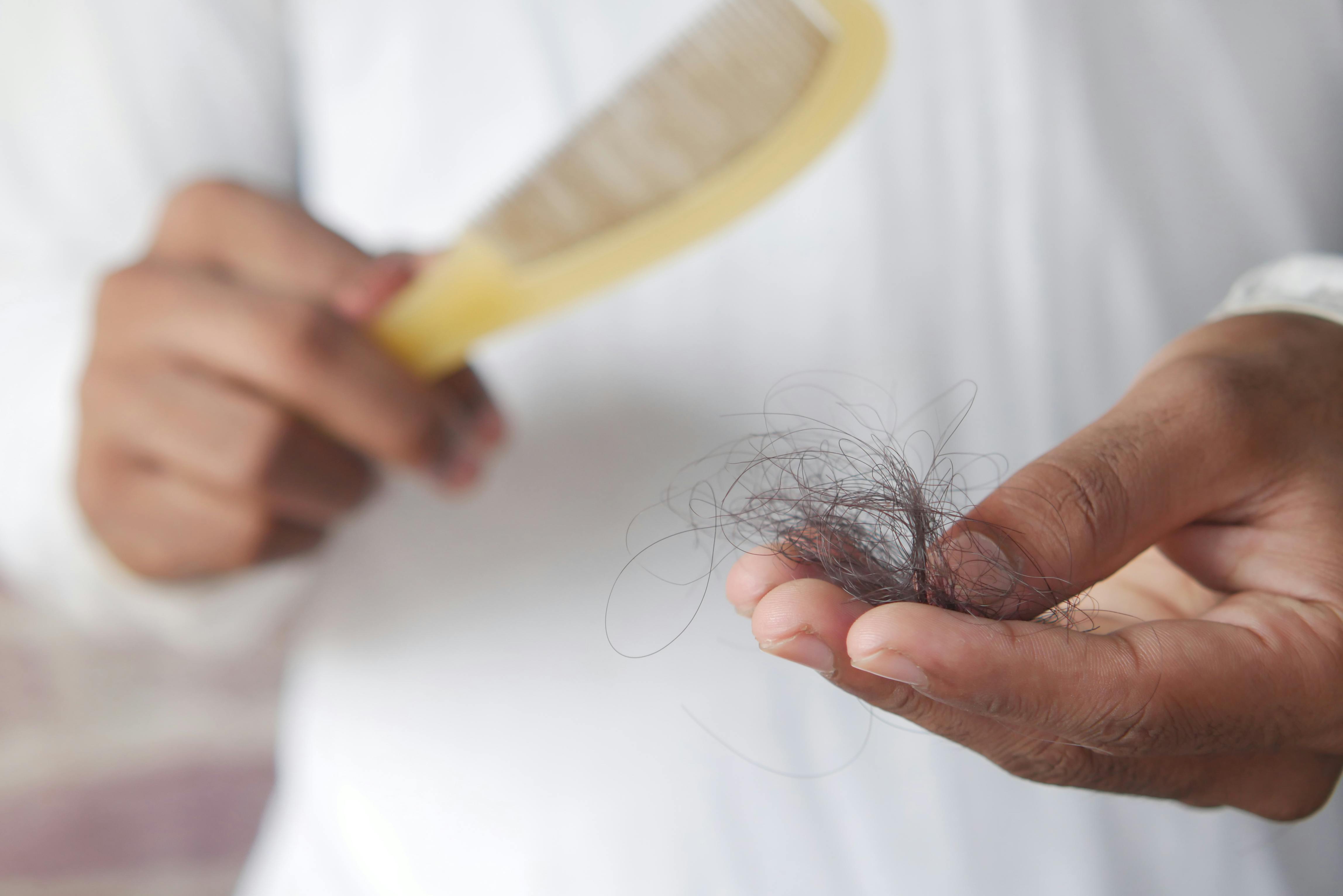
If you experience more hair fall than usual during winter, you are not alone. Hair fall is a common concern, especially among women during the winter season. From dry air to reduced moisture, several factors contribute to hair fall during the winter season. "Many women notice a sudden increase in hair fall as winter sets in, and while it can feel alarming, the reason is often a mix of seasonal and lifestyle changes," says Dr. Abhishek Pilani, a dermatologist.
Causes of hair fall in winter
Seasonal factors:
"During colder months, the air holds far less moisture. This dryness affects not just the skin but also the scalp. A dry scalp becomes tight, flaky, and irritated, which weakens hair roots and makes strands more prone to breakage and shedding."
"Another reason is reduced blood circulation. In winter, the body prioritises warmth for vital organs, which means blood flow to the scalp can reduce slightly. Hair follicles depend on good circulation for oxygen and nutrients, and even a mild dip can disrupt the hair growth cycle," Dr. Pilani explains.
Factors related to lifestyle habits:
"Winter habits also play a role. Hot showers, frequent blow-drying, and keeping hair covered under woollen caps or scarves create friction and dryness. These habits strip the scalp of natural oils that normally protect hair. Additionally, women often drink less water in winter, leading to internal dehydration that reflects directly in hair health."
Other factors:
The expert further explained that biological factors may also play a role. "Some studies suggest that hair shedding naturally increases a few months after summer, making winter a peak time for visible hair fall. When all these factors come together, the result is noticeable thinning, more hair on the pillow, and increased hair fall during washing and styling," he adds.
Additionally, stress can also be a concerning factor. The winter months can sometimes bring about seasonal affective disorder (SAD) or increased stress due to holidays, both of which can negatively impact hair growth.
Why is it more common in women?
According to Dr. Pilani, women with existing hormonal imbalances, thyroid issues, or PCOS may notice that winter worsens their hair fall symptoms. Improper hair care also adds to the problem. Overwashing, using harsh shampoos, skipping oiling entirely, or excessive heat styling during winter weakens hair structure. Tight hairstyles under caps and scarves also create mechanical stress on already fragile hair.
Tips to deal with hair fall in winter:
1. Moisturising hair care: Use hydrating shampoos and conditioners designed to add moisture. Consider using leave-in conditioners or hair masks once a week to nourish dry hair.
2. Scalp care: Regularly massage your scalp with natural oils like coconut or olive oil to improve blood circulation and moisturise the scalp. Also, hot water should be avoided, even in cold weather. Lukewarm water is kinder to the scalp and hair.
3. Eat right: Ensure your diet is rich in vitamins and minerals. Incorporate foods high in omega-3 fatty acids, protein, and antioxidants, such as fish, nuts, seeds, leafy greens, and fruits.
4. Stay hydrated: Drink plenty of water to stay hydrated. This helps keep your hair and scalp moisturised from within.
5. Protective styling: Opt for protective hairstyles that reduce breakage and keep the ends of your hair safe from cold-weather damage.
6. Limit heat exposure: Minimise the use of hair dryers, straighteners, and curling irons. If you must use them, apply a heat protectant beforehand.
7. Make healthy lifestyle changes: Manage stress, sleep well and do light exercises to help regulate the hair growth cycle.
When to see a doctor
"If hair fall is severe or persistent, blood tests to check iron, vitamin D, and thyroid levels can be helpful. In some cases, winter hair fall unmasks an underlying issue like chronic telogen effluvium, anaemia, or scalp conditions such as dandruff and eczema, which tend to flare up in colder weather. If hair fall continues beyond winter or is accompanied by thinning patches, consulting a dermatologist ensures early diagnosis and appropriate treatment," Dr. Pilani advises.
Disclaimer: This content including advice provides generic information only. It is in no way a substitute for a qualified medical opinion. Always consult a specialist or your own doctor for more information. NDTV does not claim responsibility for this information.