

)
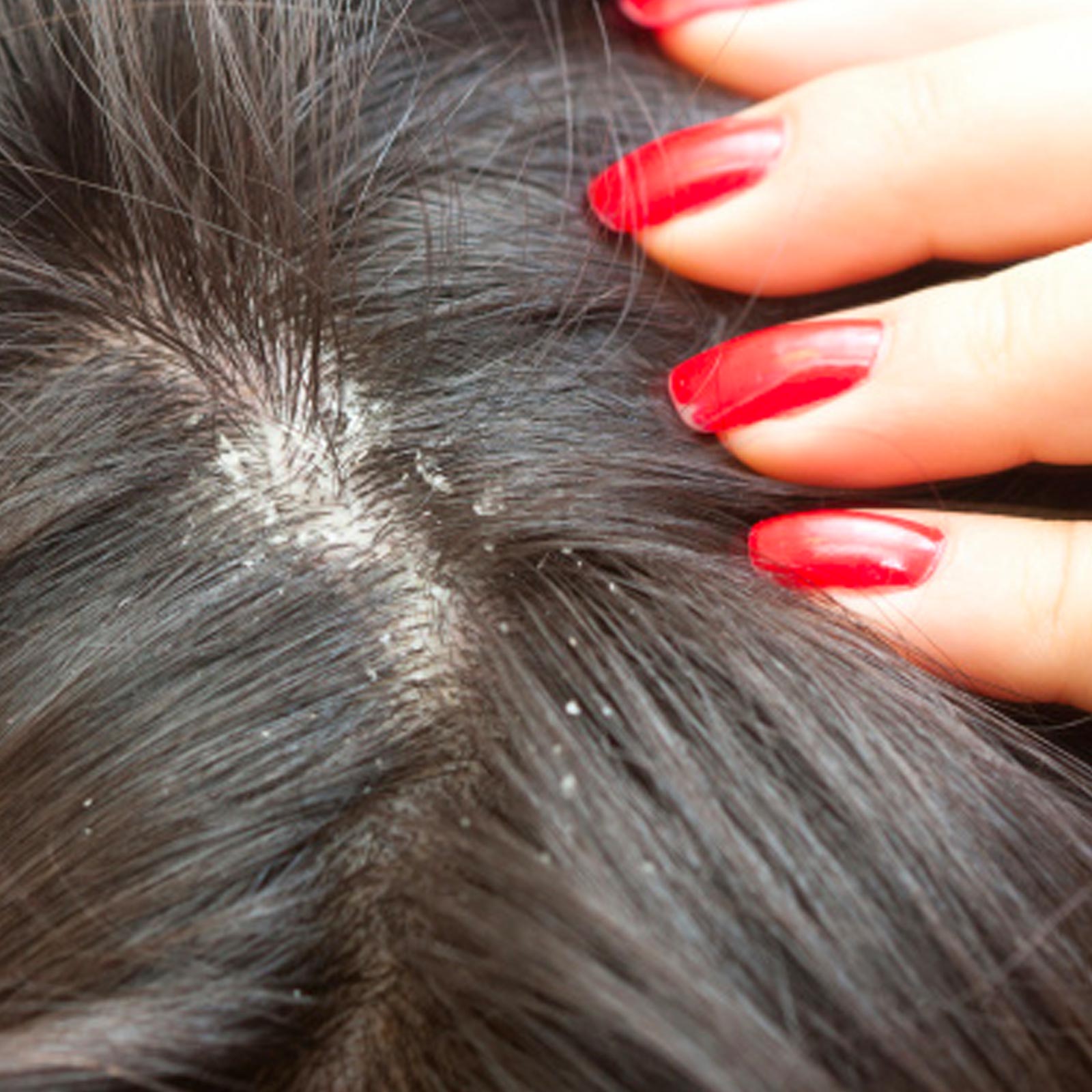
Hair on pillows, clogged shower drains, and visible thinning may be signs of winter hair fall. Excessive hair fall during winter months is a common concern for people, as the seasonal changes can take a toll on the hair follicles. In case you didn't know, follicles are tiny openings determine how hair grows and falls. Over 55% of Indians report experiencing hair loss, and around 30% suffer from significant hair thinning, according to a 2022 survey by the Indian Association of Dermatologists. Speaking to NDTV, Dr. Anindita Sarkar, a dermatologist said that every person's scalp possesses its own unique biology, sensitivities, and micro-environment. For years, shampooing has been viewed as a one-size-fits-all ritual which includes lather, rinse, repeat. However, with increasing pollution, shifting lifestyles, hormonal changes, and evolving beauty habits, the scalp has taken center stage in modern haircare. Understanding your specific scalp needs is crucial, as different individuals have different requirements.
The constant impact on hair strands due to dry air, dust, and particulate matter can result in changes in hair texture, making people question why their scalp has suddenly become so oily. The answer lies in balancing the stress from cold weather, dry air, and central heating, which causes the scalp to overproduce oil, leading to hair that appears flat, lacklustre, and less shiny. To remedy this common winter issue, certain natural remedies can be helpful, as everybody wants shiny, voluminous, and thick hair. The scalp is one of the most biologically active areas of the body, containing more sebaceous glands, a denser microbiome, and more hair follicles than other skin regions. Dr. Sarkar highlights that even slight disruptions like excess oil, inflammation, or dryness can directly impact hair strength, shine, and growth. A healthy scalp maintains three essentials:
- Balanced sebum production
- A stable microbiome
- Strong blood circulation and low inflammation
4 Natural Remedies For Winter Hair Fall And Dandruff
1. Coconut Oil Massage For Dry Winter Scalp
Cold-pressed coconut oil that has been dermatologically tested can deeply nourish the scalp and prevent dryness. When the scalp becomes dry, dandruff can occur, which can increase hair fall. Studies indicate that a regular scalp massage with coconut oil can improve blood circulation and reduce hair fall. Coconut oil acts as a natural dandruff remedy by moisturising flaky skin on the scalp, helping to reduce dandruff. Here are some practical tips for doing a coconut oil massage for a dry winter scalp:
- Take 1 tablespoon of cold-pressed coconut oil (the exact quantity can vary based on hair length)
- Use your hands to gently massage the oil into the hair strands
- Don't rub too hard, as the friction can cause even more hair fall
- It is best applied warm before bedtime for maximum absorption into the scalp
- Overnight oiling works best before shampooing the next day
- But the minimum duration that coconut oil needs to stay on the scalp is an hour
The lauric acid present in coconut oil helps reduce the fungal infection that causes dandruff. It also moisturises the skin on the scalp, as a small study in India found that coconut oil reduces bacteria and fungus on the scalp.
Read More: Dermatologist Explains Why Weight Loss Can Lead To Hair Fall And What To Do
2. Neem For Dandruff Control
Studies have documented that neem has antifungal properties that fight dandruff-causing microbes on the scalp. When these microbes gather on the scalp, it gives rise to a fungal infection which causes the dry, flaky white shedding from the hair everywhere you go. To remedy this situation, people can use the following tips:
- Disinfect the neem leaves from a garden, and soak them in salted water (to remove dirt)
- Use filtered water to boil them for an hour or so, until the water turns green
- Remove the boiled leaves, grind them into a paste
- Use the neem paste on the scalp or the neem water to rinse the scalp after shampooing
Studies have documented that a neem water rinse can help reduce itchiness on the scalp and flakiness. One of the added benefits of using neem for dandruff is preventing subsequent eye infections, as the flakes from dandruff can gather on the eyebrows and seep into eyelids. This also results in people losing their eyelashes, so it is very important to keep your scalp free from dandruff. The problem of winter hair fall can be reduced by working on strengthening the roots of the hair. Neem is an easy home remedy that can help you stop dandruff effectively.
Read More: 8 Powerful Health Benefits Of Neem: Reasons To Add It To Your Diet Today
3. Aloe Vera Gel For Scalp Hydration
Studies suggest that dermatologically tested aloe vera helps soothe irritation and hydrate a dry winter scalp. The natural enzymes present in aloe vera help reduce dandruff flakes and promote healthy hair growth. Through its function as a cooling agent, aloe vera also helps nourish hair follicles. Here are some simple tips to apply aloe vera gel for hydrating dryness on the scalp:
- Take a small quantity of aloe vera gel based on your hair length
- Apply fresh gel directly to the scalp; leave it for 30 minutes
- Another way to apply fresh aloe vera gel is to make it part of a homemade hair mask
Read More: Hard Water Causing Hair Fall? Try These 5 Dermatologist-Approved Remedies
4. Fenugreek Seed Mask For Stronger Hair
Studies have proven that methi, or fenugreek, seeds have certain bioactive compounds that are responsible for hair growth. Their anti-inflammatory, antioxidant, and antifungal properties contribute to enhanced blood circulation, stimulation of hair growth, and prevention of conditions like dandruff and hair loss. Fenugreek seeds prevent winter hair fall by strengthening hair follicles, as they are rich in protein and nicotinic acid. Here are some tips to use fenugreek seeds for stronger hair:
- Soak a large teaspoon of fenugreek seeds in a cup of water
- This liquid should be kept for a day for the compounds to seep into it
- Use this fenugreek water and fill it in a spray bottle
- You can spray this liquid as needed
- This is especially helpful when you don't have enough time to wash your hair but need a quick refresh
- Don't throw the soaked seeds away; grind them into a paste
- Directly apply them to the scalp and keep them for an hour
- Wash it thoroughly with filtered water and shampoo as needed
- Fenugreek seeds act as a natural conditioner, thus reducing dandruff buildup on the scalp
Read More: Does Methi Water On An Empty Stomach Help With Weight Loss And Diabetes?
Bonus Winter Hair Care Tips
Dr Sarkar explains that, "lifestyle, genetics, weather, and stress create very different scalp needs from person to person.
1. For Oily Scalps: Clarifying Yet Gentle Is the Mantra
Excess sebum production can make hair limp, attract dirt, and clog hair follicles.
Oily-scalp individuals often benefit from:
- Frequent shampooing (3–4 times a week) to prevent buildup
- pH-balanced, sulfate-free clarifying shampoos that control oil without stripping
- Ingredients like salicylic acid, tea tree oil, or zinc PCA to regulate sebum
- Avoiding heavy conditioners
Dr. Sarkar notes that humidity, sweat, and pollution, especially in Indian metro cities, contribute to the prevalence of oily scalps, making inconsistent washing a factor that can worsen dandruff and itching.
2. For Dry or Sensitive Scalps: Less Is More
Dry scalps often struggle with flakiness, tightness, and irritation, with over-washing being a major culprit.
- Dry or sensitive scalps need shampooing 1–2 times a week to retain natural oils
- Creamy, hydrating formulas with ceramides, glycerin, oat extracts, or aloe vera
- Avoiding harsh surfactants, fragrances, and alcohol
- Gentle massage instead of vigorous scrubbing
- A nourishing routine supports the skin barrier, reduces micro-inflammation, and prevents further dryness
3. For Dandruff-Prone Scalps: Anti-fungal Care Is Essential
Dandruff is often caused by the overgrowth of Malassezia, a yeast naturally present on the scalp. The more irritated the scalp, the more flakes appear.
For dandruff-prone individuals, Dr. Sarkar suggests:
- Medicated shampoos containing ketoconazole, zinc pyrithione, selenium sulfide, or climbazole
- A structured routine, typically 2–3 washes per week with the anti-dandruff formula
- Allowing the shampoo to sit for 3–5 minutes before rinsing
- Rotating medicated shampoos with gentle, non-medicated ones
- Ignoring dandruff can lead to inflammation-driven hair fall over time
4. For Combination Scalps: The Most Common, Yet Most Misunderstood
Many people experience oily roots and dry ends, which often creates confusion about the frequency and choice of shampoo. Dr. Sarkar recommends that combination scalps benefit from:
- Shampooing 2–3 times a week with a balanced formula
- Using lightweight clarifying shampoos on the roots
- Using hydrating conditioners and masks only on the lengths
- Incorporating scalp serums to maintain microbiome balance
The winter season needs a hair strategy that works at preserving the moisture on the scalp and balances the oiliness to keep dandruff at bay. Here are some additional winter hair care tips to keep the hair healthy:
- Avoid hot water washes; use lukewarm water instead
- Stay hydrated to prevent scalp dryness
- Use mild herbal shampoos with a neem base that are free from sulphates and parabens
- Covering hair is essential when stepping outdoors, use a scarf to protect the hair from cold winds.
Dr. Sarkar in summation says that, “Think of it as skincare: oily T-zone, dry cheeks, tailored solutions. Scalp health isn't just a trend; it is the foundation of every good haircare routine. When we pay attention to scalp needs, just like we do for skin, hair becomes stronger, shinier, and more resilient. Personalized shampoo routines are not just beneficial; they're necessary."
Winter hair fall can occur due to a dry scalp. What is needed are herbal hair care solutions that preserve the natural oils present in the hair. But do consult a medical professional if the dandruff is not reducing even after changing your haircare routine. An itchy scalp can be easily remedied by using a hair care routine that utilises home remedies for dandruff. But only to a certain extent, as other health factors may be causing persistent dandruff that needs medical intervention.
Disclaimer: This content, including advice, provides generic information only. It is in no way a substitute for a qualified medical opinion. Always consult a specialist or your own doctor for more information. NDTV does not claim responsibility for this information.
References:
Effect of Neem Leaf Paste Application on Dandruff - PMC - NIH. (2025).
Dal'Belo, S., Rigo Gaspar, L., & Berardo Goncalves Maia Campos, P. (2006). Moisturizing effect of cosmetic formulations containing Aloe vera extract in different concentrations assessed by skin bioengineering techniques. Skin Research and Technology.
Kobarne, H.P., Zaware, S.S., Tagad, S.V., Kobarne, Y.R., Kasar, J.S., Students, M.S., & Wani (2025). A Review on Fenugreek Seeds. International Journal of Advanced Research in Science, Communication and Technology.