

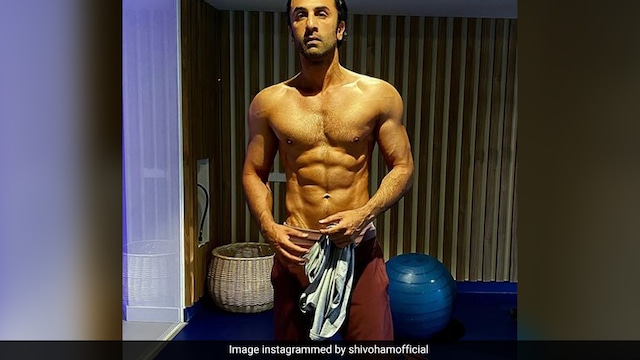
Ramayana actor Ranbir Kapoor underwent several body transformations for different roles. From a lean physique in Tu Jhoothi Main Makkaar to a more muscular build in Animal, Ranbir Kapoor has constantly worked on himself. Kapoor has consistently focused on his fitness, and his trainer, Shivohaam, frequently shares insights about his journey. In a recent Instagram video, Shivohaam revealed that Kapoor had to gain 11-12 kg for his role in Animal. "He was at 71 kg in Tu Jhoothi Main Makkaar during the body shot. And then for Animal, he was at 82. So, we've put on 11 to 12 kg. That also took us a good one year," Shivohaam said in the video.
In a previous YouTube video, Shivohaam emphasised the importance of taking time for muscle gain, stating, "It takes time to build, and we didn't want to take any shortcuts. It took almost a year, and by the end of the year, we did the body shots, and they turned out perfect."
Understanding healthy muscle gain
Gradually gaining muscle or weight through proper training, balanced nutrition, and adequate rest helps protect your joints, optimise metabolism, and ensure long-term functional health. This approach minimises the risks associated with rapid weight gain or injury.
Rushing through the process, whether by lifting excessively heavy weights too soon or overeating, often leads to tendon injuries, fatigue, and excess body fat rather than lean muscle.
READ | Ranbir Kapoor's Trainer Shares His Biceps-Flexing Photo: How To Build Bigger, Stronger Arms
How to gain muscle without rushing
1. Follow a structured resistance routine
Aim for 2 to 4 strength-training sessions per week, targeting all major muscle groups including legs, back, chest, shoulders, arms, and core at least twice a week. Gradually increase the challenge over time using double progression. First aim to add repetitions, and only increase the weight once you hit the top of your target rep range.
2. Eat in a modest calorie surplus
Eat roughly 250 to 500 calories above your daily maintenance level. This provides enough energy to build new tissue without triggering rapid fat accumulation. Hit your daily protein target by spreading it across 3 to 4 meals using whole-food sources like eggs, poultry, fish, dairy, paneer, tofu, lentils, and legumes. Dedicate roughly half your calories to fibre-rich carbohydrates to power your workouts, and 20% to 35% to healthy fats to support hormone production.
3. Prioritise rest and recovery
Allow 48 to 72 hours of recovery before training the same muscle group again, as muscle fibres repair and grow while you rest. Also ensure you get 7 to 9 hours of sleep. Deep sleep triggers the release of growth hormone and optimises protein synthesis, making it essential for steady progress.
READ | Ranbir Kapoor's Fitness Trainer Explains Whether Fasting Really Helps With Weight Loss
4. Set realistic goals
Establish achievable short-term and long-term goals for muscle gain. This will help you stay motivated and track progress effectively.
5. Patience and consistency
Understand that muscle gain takes time. Stay committed to your regimen and be patient with your progress. Avoid shortcuts like steroids or extreme diets, as these can do more harm than good.
READ | Ranbir Kapoor Turns 44: His Fitness Lessons For A Lean And Healthy Body
Keep a journal to track your workouts and nutritional intake, helping you identify what works best for you and allowing for necessary adjustments. While these tips can effectively support muscle building and overall health in the long run, it is advisable to consult an expert for a personalised diet and exercise plan tailored to your specific needs.
Disclaimer: This content including advice provides generic information only. It is in no way a substitute for a qualified medical opinion. Always consult a specialist or your own doctor for more information. NDTV does not claim responsibility for this information.