

)
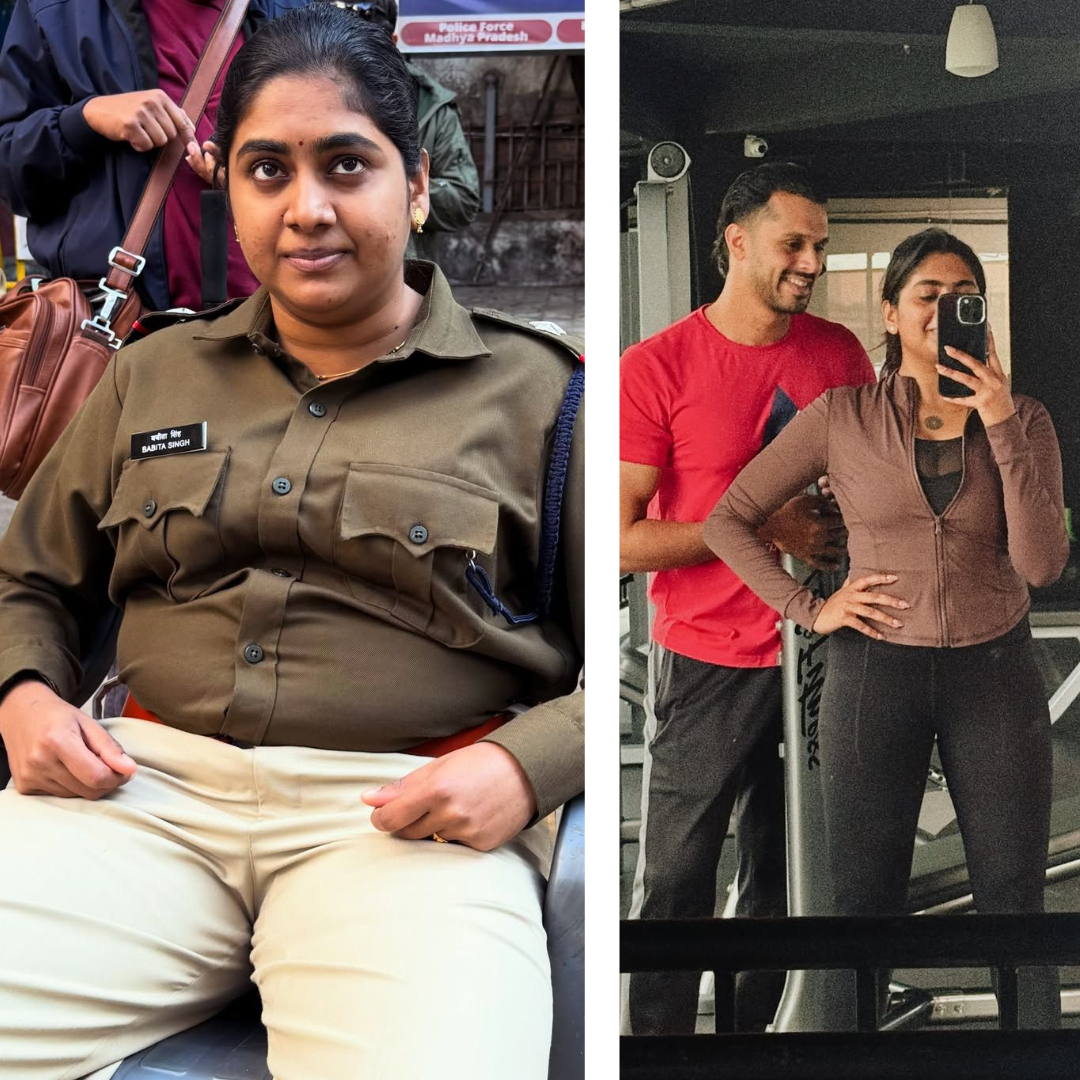
Actor Nimisha Sajayan recently opened up about the difficult weight-loss journey that followed a major physical transformation for her latest film, Babita Singh Reporting. The actor revealed that she gained almost 14 kg for the character, going from 58 kg to 72 kg. Sharing her experience on Instagram, Sajayan described the first few days of her weight-loss journey as particularly challenging, with poor sleep, mood swings, exhaustion and frustration. She also spoke about moments when she felt she could not continue. While actors may sometimes undergo significant physical transformations for professional reasons, getting back to a healthy weight should not involve extreme dieting or punishing workouts. The right trainer can play an important role in helping someone lose excess weight while protecting muscle, energy and overall health. According to Dr Dharam Pandey, Physiotherapy, ShardaCare-Healthcity, choosing the right trainer is particularly important when a person is trying to lose weight after a significant gain.
A Good Trainer Should Understand Your Body First
A trainer should not begin with a generic workout plan. Before designing a programme, they should understand a person's current fitness level, lifestyle, medical history, eating habits, previous injuries and specific goals. Two people may have the same weight-loss target but require completely different approaches depending on their strength, mobility, fitness level and health. A good trainer should therefore assess the person before deciding how much exercise they need.
Don't Choose A Trainer Who Promises Quick Results
After gaining weight for a film role, it can be tempting to lose it as quickly as possible. But rapid weight loss is not necessarily healthy weight loss. Aggressive calorie restriction combined with excessive exercise can contribute to fatigue, muscle loss, nutritional deficiencies and poor recovery. It may also make the routine difficult to sustain, increasing the possibility of regaining weight later. A responsible trainer should set realistic expectations rather than promising dramatic changes within a few weeks.
Strength Training Should Be Part Of The Plan
Weight loss should not simply mean making the number on the weighing scale smaller. Preserving muscle is an important part of losing body fat, particularly when someone is following a calorie-controlled diet. Resistance training can help maintain muscle mass while the body loses fat. A structured programme may combine strength training with cardiovascular exercise, depending on the individual's fitness level and goals. The emphasis should be on gradually improving strength and fitness rather than exhausting the body at every session.
Your Trainer Should Work With Other Experts
A trainer cannot replace a doctor, physiotherapist or dietitian. If a person has an existing medical condition, significant weight to lose, persistent pain or a history of injury, professional medical guidance may be necessary before starting an intensive programme. Similarly, nutritional advice should ideally come from a qualified dietitian or nutrition professional when specialised dietary planning is required. A good trainer should recognise these boundaries and know when another healthcare professional needs to be involved.
Watch Out For Crash Diets And Unnecessary Supplements
One of the biggest warning signs is a trainer who immediately recommends an extreme diet or a long list of supplements. Weight loss does not require eliminating entire food groups without a reason or surviving on extremely low-calorie diets. Similarly, supplements should not be treated as a shortcut to fat loss. A sustainable programme should focus on appropriate nutrition, regular physical activity, recovery and habits that a person can realistically maintain.
Don't Judge Progress Only By The Weighing Scale
Body weight can fluctuate for several reasons, including changes in hydration, food intake and muscle mass. Therefore, a trainer should ideally monitor more than just weight. Changes in strength, stamina, body measurements, body composition, fitness and how the person feels during daily activities can all provide useful information about progress. A person may sometimes lose fat while maintaining or gaining muscle, meaning the weighing scale alone may not fully reflect the transformation.
Recovery Is Part Of Weight Loss
More exercise is not always better. The body needs adequate sleep, nutrition and recovery between workouts. Training too hard without enough recovery can contribute to excessive fatigue, reduced performance and increased risk of injury. This becomes particularly important when someone is already experiencing exhaustion or other difficulties during a weight-loss programme. A good trainer should build recovery into the programme rather than treating rest as a lack of discipline.
When Should You Change Your Trainer?
There are several red flags that should make you reconsider whether a trainer is right for you. Be cautious if a trainer:
- Promises dramatic weight loss in a very short period
- Prescribes crash diets
- Recommends unnecessary supplements
- Encourages exercising through significant pain
- Uses the same workout plan for everyone
- Focuses only on the weighing scale
- Ignores previous injuries or health problems
- Discourages consultation with doctors or dietitians
The goal of training should be to improve health and fitness, not simply to achieve a particular appearance as quickly as possible. Nimisha Sajayan's experience highlights how physically and mentally demanding weight transformation can be, particularly when significant weight has been gained for a film role. For anyone trying to lose weight, the right trainer can make the process safer and more sustainable. The ideal approach combines appropriate resistance training, cardiovascular activity, adequate nutrition and recovery while taking the individual's health and fitness level into account.
Disclaimer: This content including advice provides generic information only. It is in no way a substitute for a qualified medical opinion. Always consult a specialist or your own doctor for more information. NDTV does not claim responsibility for this information.