

)
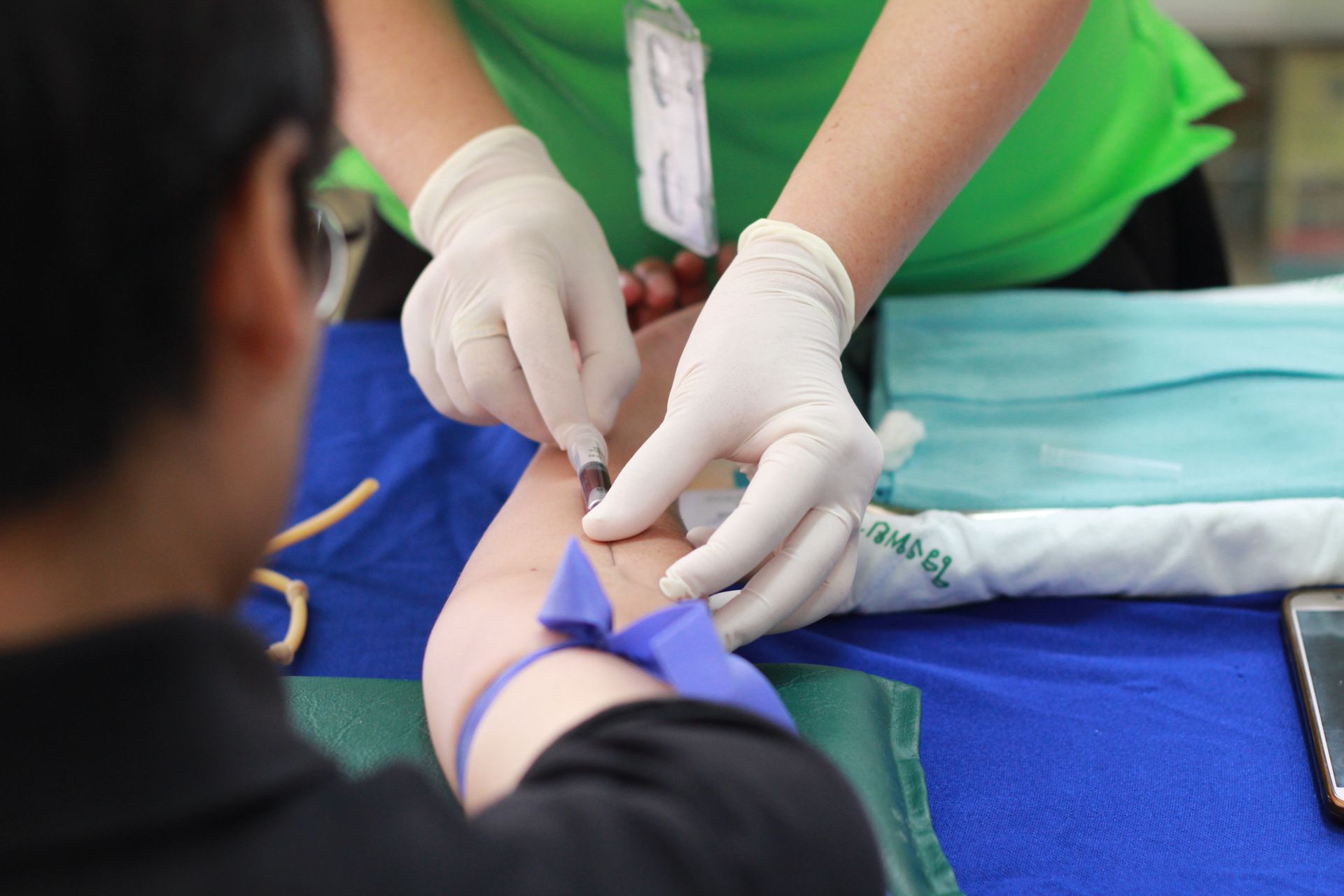
H1N1 cases are continuing to rise in India, with multiple states reporting cases. The state of Madhya Pradesh recorded 6 new cases and 1 death; Delhi has seen 2,729 cases, Maharashtra has recorded 1,109, and other states have also seen cases higher than last year. A common question that arises when someone has been infected with H1N1 is related to testing. If one member of the family is found to be positive, then should the entire family get tested? The answer to this common question is dependent on the medical attention that the H1N1 patient needs. But clinical research such as a review published in the Epidemiology Journal suggests that H1N1 could cause a secondary infection, but the rate of transmission is low.
If One Person Has H1N1, Is the Whole Family At Risk?
Family testing for H1N1, then clinical research suggests that there is a 4% to 37% chance of secondary infection. This number is based on a database of H1N1 cases, and family members who are living with someone who has confirmed H1N1 need to limit their contact, as close contact could cause transmission of the infection as it spreads from air droplets.
Should Every Family Member Get Tested?
No, not everyone needs to be tested, but those family members who were in close contact with the positive individual need to get tested for safety. Those who are showing symptoms of H1N1 definitely need to get tested, and those who are:
- Older adults, as they age, can make the infection dangerous.
- Pregnant women need to be especially careful of their transmission chances.
- Young children have underdeveloped immune systems, which means their chances of developing a severe case are much higher.
- People with chronic illnesses have compromised immunity, which can result in health complications.
- Immunocompromised individuals who have medical conditions need to be careful of the chance of catching H1N1.
What Symptoms Should Family Members Watch For?
The family members of those who are living with a positive H1N1 patient need to be careful of the early symptoms that can be:
- Fever
- Cough
- Sore throat
- Runny nose
- Headache
- Body aches
- Chills
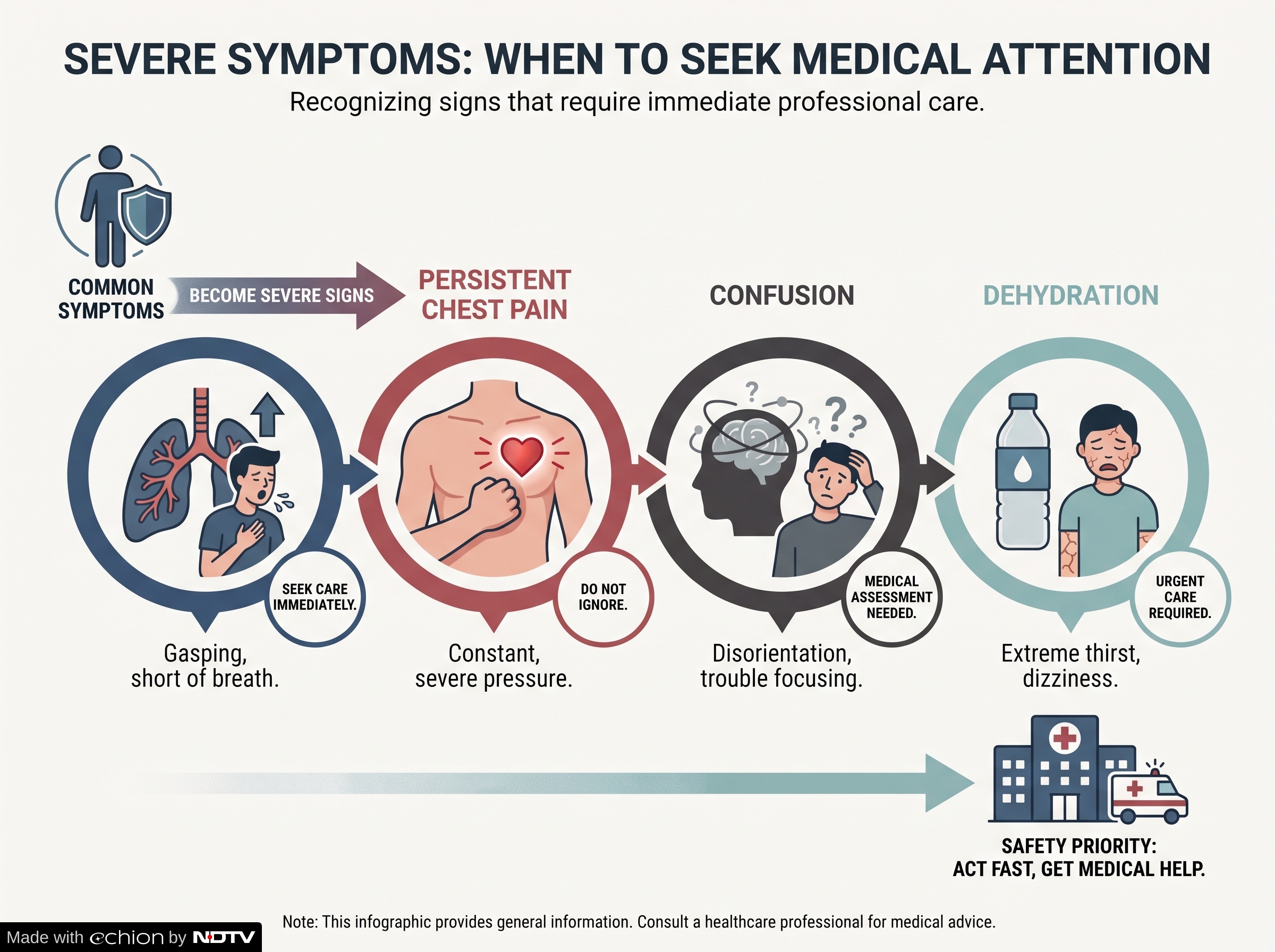
Severe Symptoms Requiring Medical Attention
When these common symptoms turn into severe symptoms, then medical attention becomes necessary for safety; these severe signs could be:
- Difficulty breathing
- Persistent chest pain
- Confusion
- Dehydration
Can You Use An H1N1 Test At Home?
The at-home flu tests could be used to test for H1N1, but the authorised tests can only detect these viral strains:
- Influenza A
- Influenza B
- Sometimes even Covid-19
A positive result at an at-home test could indicate H1N1, but exact medical testing under laboratory settings is required to detect the exact subtype of the viral strain.
Note: The flu test at home should be only administered by those who are aware of the exact process to follow for proper results.
What Should Family Members Do After Exposure?
If family members of a household suspect that they have H1N1, as a positive case exists in their family, then they need to follow these protective steps:
- Monitor symptoms and monitor their progress for seeking timely medical treatment.
- Wear masks if someone is ill, as H1N1 spreads from air droplets.
- Improving ventilation is necessary to change the air and replace it with fresh air.
- Wash hands frequently to maintain proper hygiene.
- Avoid sharing utensils and towels, as the strain could easily transfer onto someone else.
When Should You Contact A Doctor?
A doctor consultation should be a priority for those who are showing symptoms, and if severe symptoms are being experienced, then medical attention becomes necessary. H1N1 prevention is essential for people who are categorised into high-risk groups, such as:
- Pregnant women
- Elderly adults
- Children under 5
- People with diabetes
- People with heart or lung disease
Can Family Members Prevent H1N1 After Exposure?
Yes, family members could prevent H1N1 after exposure if they have proper immunity. Maintaining this immunity is dependent on getting:
- Timely influenza vaccination, as it could reduce severity and health complications.
- Hand hygiene, as surface transfer of germs could lead to transmission.
- Isolation of the infected member is necessary to avoid more people getting sick.
- Adequate rest and hydration are necessary for faster recovery.
How Long Is H1N1 Contagious?
The New England Journal of Medicine has suggested that the contagious factor lasts for about 2.6 days after onset of symptoms. This is typical, but the time duration can also vary depending on when the individual was infected and when medication has been administered.
You need to wait for at least 5-7 days after an H1N1 diagnosis to avoid the spread of the infection, as mentioned in the Virology Journal.
Clinical research points to the need to be cautious but not panic if someone in your family has H1N1. This period is known as viral shedding, and most people are contagious during this period.
Also Read: H1N1 Surge: Can You Have Swine Flu Without A Fever?
Disclaimer: This content including advice provides generic information only. It is in no way a substitute for a qualified medical opinion. Always consult a specialist or your own doctor for more information. NDTV does not claim responsibility for this information.