

)
Delhi is witnessing a rise in mosquito-borne diseases, with dengue cases showing a sharp increase in August. The capital recorded its highest monthly dengue count of the year in August, with 90 cases reported during the month, according to the latest Municipal Corporation of Delhi report. As per the report, a rise in malaria and chikungunya cases during August. Till August 29, Delhi had recorded 311 dengue cases, 119 malaria cases and 22 chikungunya cases. No deaths have been reported due to any of the three diseases so far. As many as 39 dengue cases were reported in Delhi in the last week alone, highlighting the need for people to remain alert as mosquito activity continues.
What Are The Early Symptoms Of Dengue?
Dengue can initially look similar to a common viral fever, making it difficult to identify based on symptoms alone. Dr Chirag Tandon, Director, Internal Medicine, ShardaCare-Healthcity, says dengue typically begins with a sudden high-grade fever. This may be accompanied by intense headache, pain behind the eyes, severe muscle and joint pain, extreme tiredness and general weakness. Some people may also experience:
- Nausea and vomiting
- Loss of appetite
- Skin rash
- Severe body ache
The intense muscle and joint pain associated with dengue is one reason the infection is often described as "breakbone fever".
How Soon Do Dengue Symptoms Appear?
Early dengue symptoms usually develop around four to 10 days after infection with the dengue virus. However, the infection does not affect everyone in the same way. Some people may develop only mild symptoms, while others may have no symptoms at all. "Persistent high fever with significant body pain, headache or gastrointestinal symptoms during a dengue outbreak should prompt medical evaluation," says Dr Tandon.
This becomes particularly important when dengue transmission is increasing in the community, as early symptoms can easily be mistaken for other viral infections.
Do Not Take Aspirin Or Ibuprofen Without Medical Advice
People with suspected dengue should be careful about self-medicating for fever and body pain. Medicines such as aspirin and ibuprofen can increase the risk of bleeding and should generally be avoided when dengue is suspected unless specifically advised by a doctor. Paracetamol is generally preferred for managing fever, but it should be taken in the appropriate dose and ideally after medical advice. Since several infections can cause fever and body pain, self-medication can also delay proper diagnosis and treatment.
Stay Hydrated During Dengue
Fever, vomiting and poor appetite can increase the risk of dehydration during dengue. Adequate fluid intake and rest are therefore important. Depending on the patient's condition, doctors may recommend fluids and regular monitoring. People should also follow medical advice regarding blood tests and follow-up, particularly if symptoms are persistent or worsening.
Warning Signs Of Severe Dengue
While many dengue infections are mild, some can progress to severe illness. Certain symptoms should therefore not be ignored. Seek urgent medical attention if dengue is accompanied by:
- Persistent vomiting
- Severe abdominal pain
- Bleeding from the gums or nose
- Blood in vomit or stools
- Breathing difficulty
- Unusual drowsiness
- Marked weakness
"These symptoms require urgent medical attention," says Dr Tandon. People should not wait for symptoms to become severe before seeking care, particularly if they have underlying health conditions or are experiencing worsening symptoms.
How To Prevent Dengue
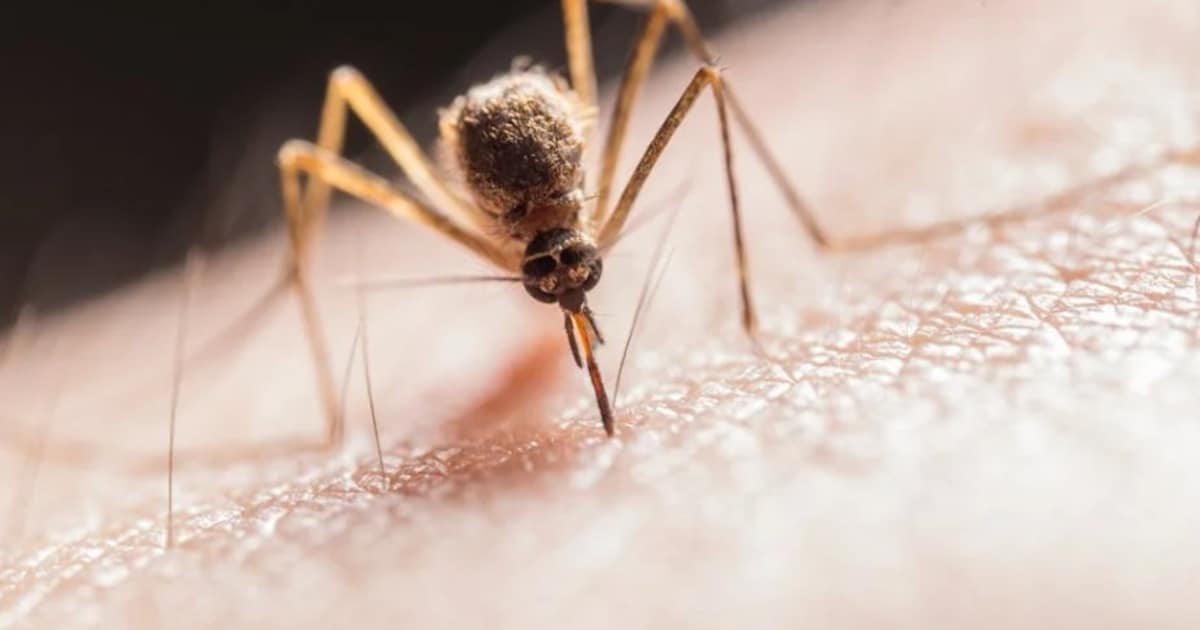
Since dengue is spread by infected Aedes mosquitoes, preventing mosquito bites and controlling mosquito breeding are key to reducing the risk.
Remove Stagnant Water
Aedes mosquitoes can breed in small collections of stagnant water. Check flowerpots, coolers, buckets, discarded containers, tyres and other areas around the home where water may accumulate.
Use Mosquito Repellent
Apply mosquito repellent to exposed skin as recommended and consider using mosquito screens or nets where appropriate.
Wear Protective Clothing
When possible, wear clothing that covers the arms and legs, particularly in areas with high mosquito activity.
Keep Your Surroundings Clean
Regularly empty and clean containers that can collect water. Cover water-storage containers properly and make sure drains and other areas do not become breeding grounds.
Dengue, Malaria And Chikungunya Can Have Similar Symptoms
With Delhi reporting cases of dengue, malaria and chikungunya, it is important not to assume that every fever is dengue. Fever, headache, body ache and weakness can occur with several mosquito-borne and viral infections. The appropriate diagnosis may require medical assessment and, where indicated, laboratory testing. This is particularly important because treatment and monitoring can differ depending on the infection.
Delhi's rising dengue numbers are a reminder that mosquito-borne infections remain a concern during the monsoon and post-monsoon period. Sudden high fever accompanied by severe body pain, headache, pain behind the eyes, vomiting, weakness or other symptoms should not be dismissed as a routine viral fever. Avoid self-medication with aspirin or ibuprofen, stay adequately hydrated and seek medical advice when symptoms persist or worsen. Most importantly, preventing mosquito breeding around homes and workplaces can go a long way in reducing the spread of dengue
Disclaimer: This content including advice provides generic information only. It is in no way a substitute for a qualified medical opinion. Always consult a specialist or your own doctor for more information. NDTV does not claim responsibility for this information.