

)
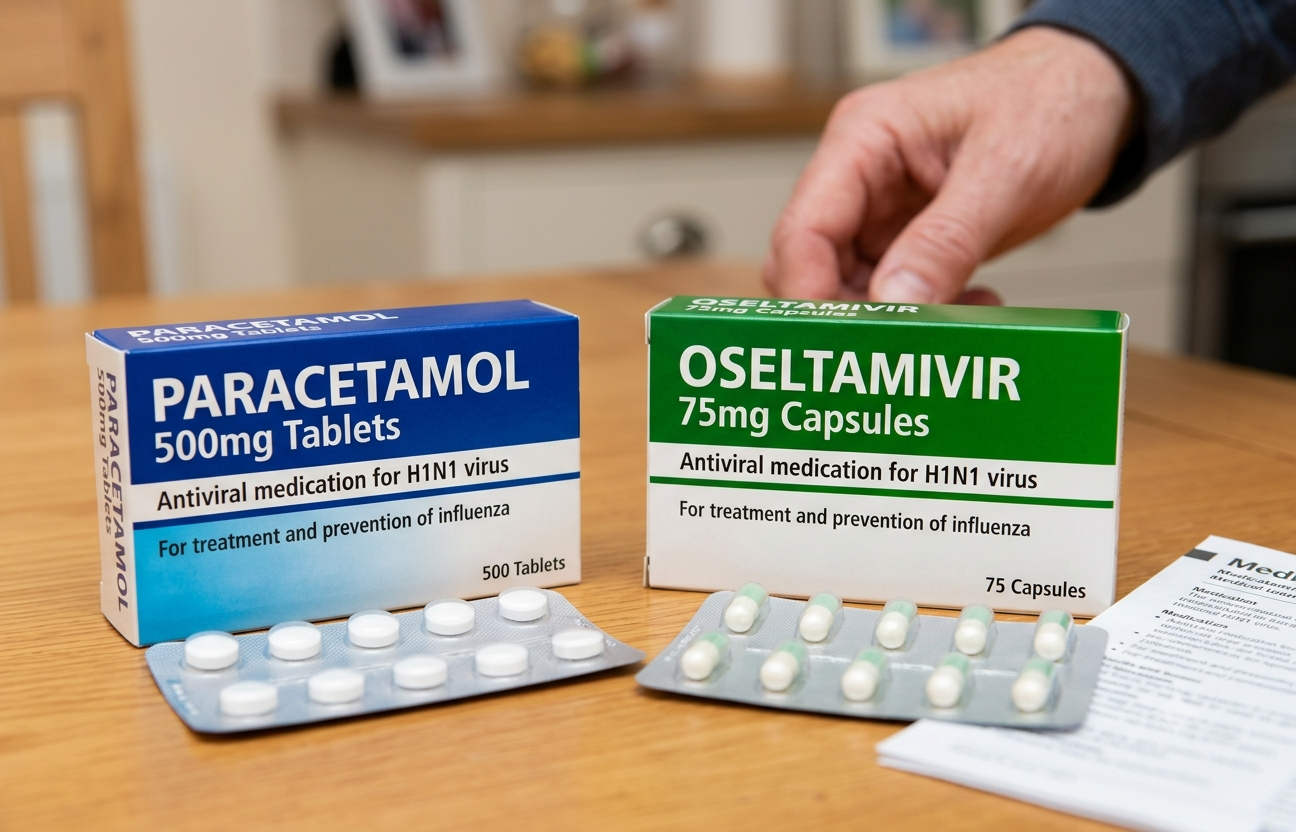
H1N1 cases are spiking in different parts of India, with different states recording a spike in cases. The Indian Council of Medical Research (ICMR) surveillance network of hospitals and diagnostic facilities is recording a spike in influenza. Viral cases with symptoms such as fever, cough, sore throat, body aches and fatigue. Most people tend to take paracetamol, but treatment of H1N1 should depend on symptom severity and risk factors. Paracetamol is a common medication that is taken for these symptoms, be it H1N1 or the common flu, as it offers relief. But the medication's formulation doesn't target the virus; it can only work on managing the symptoms but not cause any reduction in viral replication that makes the severity of the infection worse.
What Is H1N1 And Why Does It Cause Fever?
The H1N1 virus is a subtype of influenza A (H1N1) pdm09 that is in circulation globally and causes respiratory issues. A high fever that doesn't break even after medication use is a sign that the H1N1 virus is severe.
The rise in body temperature is a sign of the immune system reacting to the viral strain as it tries to multiply and take over the host body.
The fever lasts for 3 to 5 days for most H1N1 patients and even extends to 7 days in severe cases.
The typical fever range is from 100.4 to 104 degrees Fahrenheit, which is often accompanied by chills, headache, body aches, cough, sore throat, and fatigue.
What Does Paracetamol Do In H1N1?
The New England Journal of Medicine pinpoints that paracetamol can help relieve symptoms:
- Fever
- Headache
- Body aches
- Chills
- General discomfort
But it is not an antiviral, as it doesn't actively kill the H1N1 virus. It makes dealing with the symptoms much more comfortable and helps the body fight infection using its natural immunity.
When Is Paracetamol Usually Enough?
Paracetamol is a medication that is generally enough for a mild viral infection which is mild and can be managed at home.
Mild cases often present these symptoms:
- Fever
- Runny nose
- Mild cough
- Tiredness
- Good oxygen levels
- No high-risk medical conditions
Note: Every individual with H1N1 infection can show varying degrees of symptoms that need to be addressed medically as and when they occur.
Home Care Measures To Manage H1N1 Infection include:
- Hydration
- Rest
- Adequate nutrition
- Monitoring symptoms
What Are Antivirals And How Do They Work?
Oseltamivir (Tamiflu) is one of the most commonly prescribed antivirals that works on stopping viral replication within the body. A serious health complication such as pneumonia can be avoided by the use of targeted antivirals, but they need to be consumed within 48 hours of the onset of symptoms for effectiveness.
How It Works
The Clinical Infectious Diseases Journal has suggested that antivirals are needed to manage the H1N1 virus, as the infection can cause serious symptoms that could extend beyond the normal viral infection window. Here is exactly how developed antivirals work:
- Prevents viral replication
- Helps reduce illness severity
- May shorten recovery time
When Do Doctors Recommend Antivirals For H1N1?
The prescription of antiviral medications for H1N1 is done by medical professionals for those who are biologically at higher risk of developing health complications. These high-risk groups include:
- Pregnant Women
- Children Under 5
- Adults Above 65
Patients with pre-existing medical conditions such as
- Diabetes
- Asthma
- COPD
- Heart disease
- Chronic kidney disease
- Weakened immune systems
Severe Symptoms Of H1N1 Viral Infection
- Persistent high fever
- Shortness of breath
- Chest pain
- Low oxygen levels
- Worsening symptoms
Why Timing Matters With Antiviral Treatment
Timing is crucial for prescribing and taking antiviral treatment, as the treatment can work best when the virus is actively multiplying in the body. This happens in the first few days of the illness as the viral duplication peaks in the body and the inflammatory response is in full swing. Antiviral medication can shorten the duration of symptoms and prevent health complications that could happen with a prolonged infection duration.
Antivirals work best when started within 48 hours of symptom onset.
The Lancet journal has documented that antiviral medication works best when it is provided within 48 hours of the onset of symptoms.
Warning Signs That Mean You Should Seek Medical Care Immediately
According to the age of the infected individual, warning signs can be used to help with timely medical treatment.
Adults
- Difficulty breathing
- Confusion
- Persistent chest pain
- Bluish lips
- Severe dehydration
Children
- Fast breathing
- Refusing fluids
- Extreme irritability
- Drowsiness
- Seizures
Can You Take Paracetamol And Antivirals Together?
Yes, they are often prescribed together in patients who have H1N1 infections, as both of them help with the following:
- Paracetamol, which can reduce fever, headache, and body aches.
- Oseltamivir (Tamiflu) can target the influenza virus directly and stop its duplication.
But medical supervision is needed to monitor the spike in fever, and breaking the temperature spike is necessary to control the infection.
Common H1N1 Treatment Mistakes To Avoid
With the treatment of H1N1 fever, you need to avoid making these mistakes, as they can worsen your recovery:
- Self-medicating with over-the-counter antibiotics
- Delaying medical care
- Ignoring breathing difficulty
- Overusing fever medicines
- Taking antivirals without a prescription
How To Recover Faster From H1N1
The recovery from H1N1 can become faster when you follow these proven benefits at managing symptoms and making the infection period much more comfortable:
- Drink plenty of fluids
- Get ample rest
- Eat protein-rich foods
- Monitor temperature
- Stay isolated until recovery.
- Follow medication instructions
Relief from H1N1 fever depends on timely administration of antiviral medication for management of the body's immune response.
Also Read: What's In A Name? Why Doctors No Longer Call H1N1 Swine Flu
Disclaimer: This content including advice provides generic information only. It is in no way a substitute for a qualified medical opinion. Always consult a specialist or your own doctor for more information. NDTV does not claim responsibility for this information.