

)
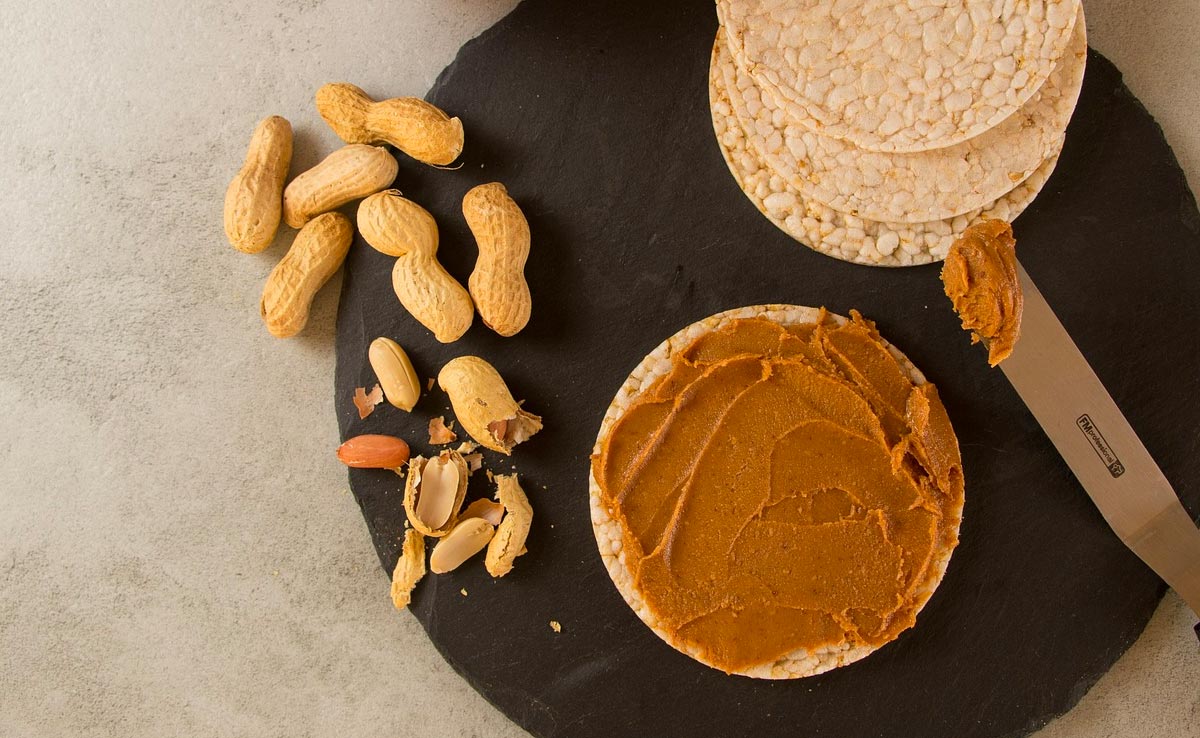
Trying to gain weight can be just as challenging as trying to lose it. While many people focus on increasing portion sizes, simply eating more food is not always the best approach. The quality of those extra calories matters, particularly if the goal is to gain healthy weight and build muscle rather than accumulate excess body fat. This is where peanut butter can be useful. Packed with calories, healthy fats and some protein, peanut butter can make it easier to increase daily energy intake without requiring very large meals.
Why Is Peanut Butter Good For Weight Gain?
Peanut butter is an energy-dense food, meaning a relatively small amount provides a substantial number of calories. A couple of tablespoons can provide roughly 180-200 calories, depending on the brand. This makes it convenient for people who struggle to eat enough food throughout the day. Adding peanut butter to meals can increase calorie intake without dramatically increasing the volume of food. For someone with a low appetite, this can be particularly useful.
Peanut Butter Provides Healthy Fats
One of the biggest advantages of peanut butter is its fat content. Peanuts contain predominantly unsaturated fats, including monounsaturated and polyunsaturated fatty acids. These fats can be included as part of a balanced diet and provide a concentrated source of energy. Since fat provides more calories per gram than protein or carbohydrates, adding a moderate amount of peanut butter can help people achieve a calorie surplus more easily. It Also Provides Protein
- Peanut butter isn't a complete protein source, but it does contribute protein to the diet.
- Two tablespoons generally provide around 7-8 grams of protein, depending on the product.
Protein is particularly important when weight gain is accompanied by strength training because it provides amino acids required for muscle repair and growth. However, peanut butter should not be considered the main protein source in a muscle-building diet. Foods such as eggs, dairy, fish, chicken, soy and pulses can provide more substantial amounts of high-quality protein.
Peanut Butter Can Help You Create A Calorie Surplus
To gain weight, the body generally needs to receive more energy than it uses over time. This is known as a calorie surplus. The challenge is maintaining that surplus consistently. Adding peanut butter to foods you already eat can be a simple way to increase your energy intake. For example, you can add it to:
- Whole-grain toast
- Oatmeal
- Bananas
- Smoothies
- Greek yoghurt
- Milk
- Pancakes
A banana and peanut butter smoothie, for example, can provide substantially more calories than eating a banana alone.
Peanut Butter And Muscle Gain: Are They The Same?
Eating peanut butter can help you gain weight, but it does not automatically mean you will gain muscle. If your goal is to build muscle, the calorie surplus should be combined with resistance training and adequate protein. Strength training provides the stimulus for muscle growth, while sufficient protein and energy support the recovery and adaptation process. Without resistance training, a calorie surplus is more likely to result in a combination of fat and lean tissue rather than predominantly muscle.
Choose Your Peanut Butter Carefully
Not all peanut butter products are nutritionally identical. A simple peanut butter made primarily from peanuts, with little or no added sugar and unnecessary ingredients, can be a good everyday option. Some commercial varieties contain significant amounts of added sugar, salt or additional oils. This does not make them automatically unhealthy, but it is worth checking the nutrition label, particularly if peanut butter is being consumed every day. Natural peanut butter may also separate, with oil settling at the top. Stirring it thoroughly before use can help distribute the ingredients evenly.
How Much Peanut Butter Should You Eat?
More is not necessarily better. Because peanut butter is calorie-dense, eating several large spoonfuls every day can increase calorie intake very quickly. For someone trying to gain weight, 1-2 tablespoons at a time can be an easy starting point. The appropriate amount depends on total calorie requirements, appetite, activity levels and weight-gain goals. If weight is not increasing despite consistent eating, the overall diet may need to be adjusted rather than simply adding unlimited peanut butter. Pair Peanut Butter With Other Nutrient-Dense Foods Peanut butter works best as part of a balanced diet rather than as the foundation of a weight-gain plan. For example, combine it with carbohydrate-rich foods such as oats, whole-grain bread or bananas, and include adequate protein from dairy, eggs, soy, pulses, fish, chicken or other sources. This provides a broader range of nutrients while making it easier to maintain a calorie surplus.
Can Peanut Butter Help Underweight People?
It can be particularly useful for people who have difficulty consuming enough calories because of a small appetite or large energy requirements. However, unexplained weight loss or difficulty gaining weight should not simply be managed by eating more peanut butter. Conditions involving the thyroid, digestive system, metabolism or other health problems can sometimes contribute to unexplained weight changes. Anyone experiencing significant or unexplained weight loss should speak with a healthcare professional.
Peanut butter can be a convenient addition to a weight-gain diet because it provides calories, healthy fats and protein in a relatively small serving.
But gaining healthy weight requires more than one food. A balanced calorie surplus, adequate protein, resistance training, sleep and overall diet quality all matter.
If your goal is to build muscle, think of peanut butter as a calorie-dense supporting food, not a magic weight-gain solution.
Disclaimer: This content including advice provides generic information only. It is in no way a substitute for a qualified medical opinion. Always consult a specialist or your own doctor for more information. NDTV does not claim responsibility for this information.