

)
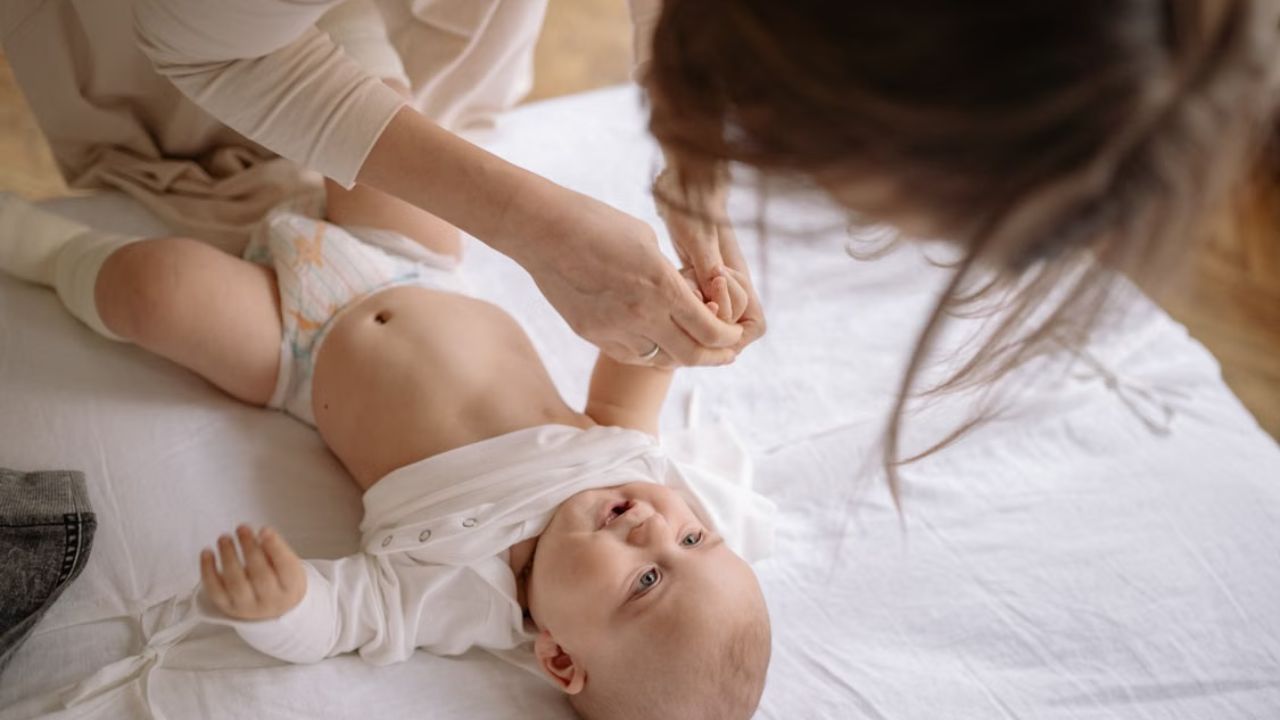
Olivia Hannaford, mother of four-and-a-half-month-old Oliver, first noticed that her son's right eye was not focusing like his left. She initially thought he might simply need glasses. However, Olivia later noticed something much more unusual while feeding her baby, a white glow in his right eye. She took photographs and videos and contacted a hospital in Liverpool. After seeing the images, doctors asked her to bring Oliver to the hospital the same day. Tests raised concerns about retinoblastoma, a rare type of eye cancer that can affect babies and young children. The diagnosis was later confirmed at Birmingham Women's and Children's Hospital.
Olivia said, "I only noticed this at certain times of the day - early in the morning, not long after waking up, or when he was starting to become tired. I just thought that with him being four and a half months old, his eyes were just adjusting.
"But when it kept happening, I thought he would need some glasses to correct the slight turn in his eye. His dad and I had never heard of retinoblastoma before; we didn't know you could get tumours in the eye."
Oliver began treatment just a week after his diagnosis. He underwent four rounds of intra-arterial chemotherapy, in which medicines are delivered directly into the artery supplying the affected eye. He also received laser treatment to target the tumour. His chemotherapy was completed on October 27, 2025, and he is undergoing further laser treatment and regular examinations under anaesthetic to monitor how the tumour has responded. More than a year after his diagnosis, Oliver's mother describes him as a happy, thriving child who loves flowers and spending time with his family.
What Is Retinoblastoma?
Retinoblastoma is a rare cancer that develops in the retina, the light-sensitive layer at the back of the eye. It mainly affects babies and young children, usually before the age of five. The condition occurs when cells in the retina grow uncontrollably and form a tumour. It can affect one eye or both eyes. Although it is a serious disease, retinoblastoma can often be treated successfully when it is detected early.
Treatment depends on the size and location of the tumour, whether one or both eyes are affected, and whether the cancer has spread.
What Are The Symptoms?
A white glow or reflection in the pupil is one of the most important warning signs. This may be noticed in photographs taken with a camera flash or when looking at the child in certain lighting. Other symptoms can include:
- An eye that appears to turn inward or outward
- Redness or swelling of the eye
- An eye that does not move normally
- Different-looking pupils
- Poor vision or difficulty seeing
- Eye pain or irritation in some cases
- A change in the appearance of the eye
What Causes Retinoblastoma?
Retinoblastoma is linked to changes in the RB1 gene, which normally helps control cell growth. When this gene does not work properly, retinal cells can multiply uncontrollably.
There are two broad forms of the disease. In some children, the genetic change is present in the body's cells and may be inherited. This form can affect both eyes and may occur at a younger age. In other cases, the genetic change develops only in the affected eye and is not inherited.
How Is Retinoblastoma Treated?
Treatment varies from child to child. Options may include chemotherapy, laser therapy, cryotherapy, radiation therapy or surgery, depending on the tumour.
Intra-arterial chemotherapy delivers chemotherapy directly to the blood vessel supplying the eye. This can allow doctors to target the tumour while limiting exposure to the rest of the body.
Laser treatment can also be used to destroy tumour tissue. Children may require several treatments and regular examinations even after the main treatment has finished.
Can It Cause Complications?
If untreated, retinoblastoma can damage vision and potentially lead to loss of the affected eye. In advanced cases, the cancer can spread beyond the eye to nearby tissues or other parts of the body, where it can become life-threatening. There can also be long-term effects related to the disease or its treatment. This is why children diagnosed with retinoblastoma need long-term follow-up.
Can Retinoblastoma Be Prevented?
There is no known way to prevent most cases of retinoblastoma. However, children with a family history of the condition may require genetic counselling and specialised eye examinations from an early age.
For parents, the most important step is recognising unusual changes in a child's eyes. A persistent white reflection, a new eye turn or a noticeable difference between the two eyes should not be ignored.
Disclaimer: This content including advice provides generic information only. It is in no way a substitute for a qualified medical opinion. Always consult a specialist or your own doctor for more information. NDTV does not claim responsibility for this information.