

)
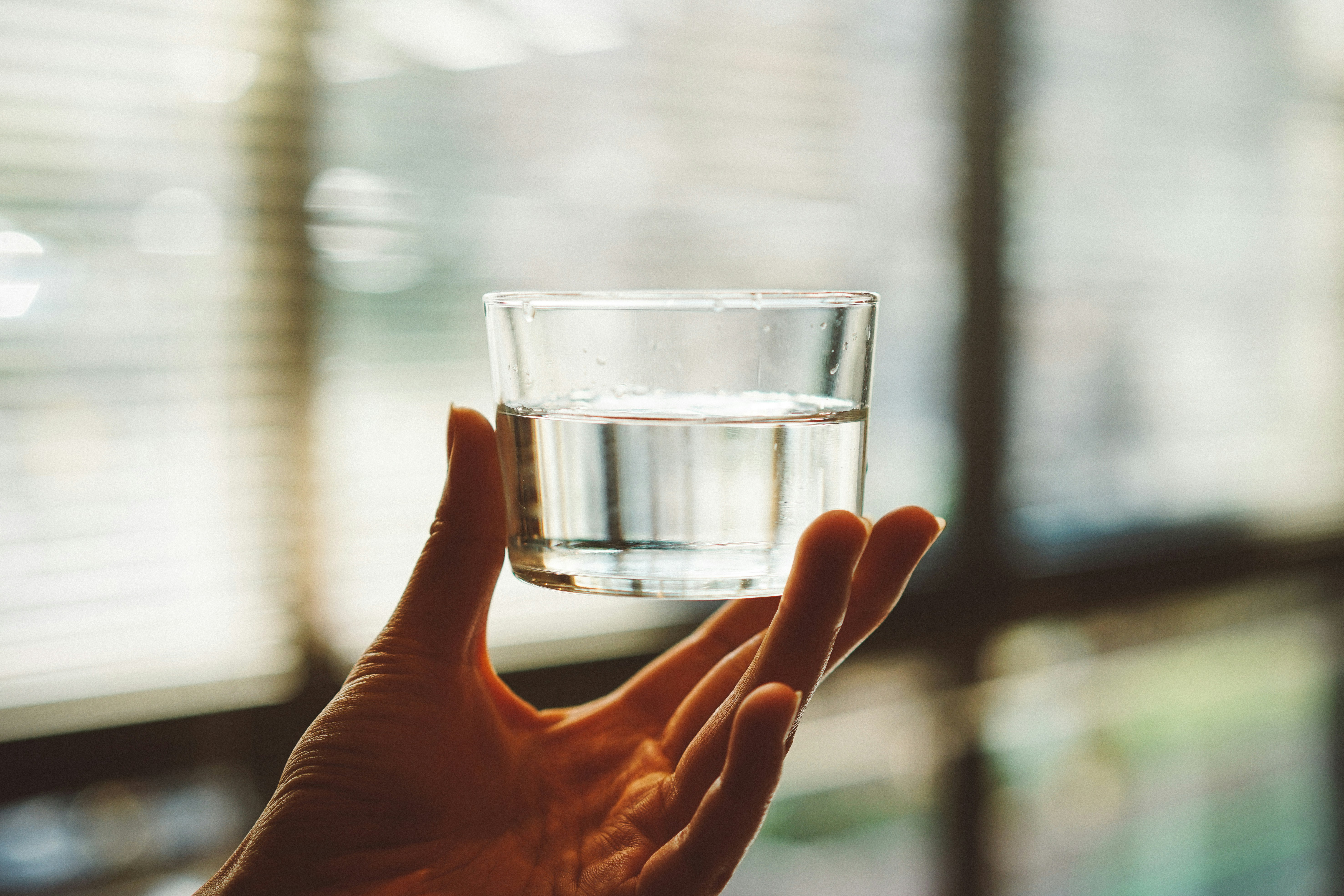
The recent Indore water contamination tragedy has raised alarm over the urgent need to ensure access to safe drinking water. Even though filtered water may appear clear and clean, it can still harbour pathogens that can be harmful to your health in many ways. Many viruses and bacteria are invisible to the naked eye and do not affect the water's appearance. Some pathogens are small enough to pass through certain filters, especially those designed primarily for larger particles. In fact, many harmful microorganisms can be present in such low concentrations that they remain undetectable.This includes certain strains of bacteria and viruses that can pose health risks if ingested.
Why filtered water can still be unsafe
Dr. BN Singh, Additional Director of Internal Medicine at Fortis Hospital Faridabad, outlines several reasons why filtered water may still lead to infections:
1. Bacterial growth in filters
Carbon-based filters, commonly found in pitchers and refrigerators, can become breeding grounds for bacteria if they are not changed regularly. The accumulated organic matter provides a nutrient source for microbes to grow, potentially leading to higher bacterial counts in the filtered water than in the original tap water.
2. Filters don't remove all pathogens
Many standard home filters are designed primarily to improve taste and odour or remove heavy metals like lead, and are not fine enough to remove all bacteria, viruses, or parasites. Viruses are particularly small and can pass through many ordinary filters.
3. Improper installation or maintenance
A poorly installed system may have leaks, allowing unfiltered water to mix with the clean supply. Additionally, failing to clean the filter housing and related components can lead to microbial buildup.
4. Contamination in plumbing or dispenser
Even if the filter works correctly, germs can grow in the slime layer (biofilm) within the pipes in your home or on the water dispenser itself.
How to ensure safe filtered water
Dr. Singh recommends the following guidelines to ensure that your filtered water is safe and healthy:
- Follow maintenance schedules: Adhere strictly to the manufacturer's recommendations for cleaning the system and replacing filters. Set reminders to change filters to avoid them becoming a health hazard.
- Choose certified filters: Look for filters certified by reputable third-party organisations like NSF International or the Water Quality Association (WQA). These certifications verify the filter's claims for removing specific contaminants.
- Match the filter to your needs: Test your water to understand what contaminants are present and select a purification system (e.g., combining Reverse Osmosis, UV light, and carbon filtration) that targets those specific threats.
- Flush the system: If a faucet or showerhead hasn't been used in a while (e.g., a week or more), flush it by running the cold water for at least 2 minutes to clear out any stagnant water and potential germ buildup.
- Use the right water for specific tasks: Never use water straight from the tap to rinse sinuses with a neti pot; use distilled or boiled (and then cooled) water for this purpose.
- Test water quality: Regular testing of water quality, especially from natural sources, can help identify potential contaminants that could lead to infections.
Follow these tips to significantly reduce the risk of infections from drinking water.
Disclaimer: This content including advice provides generic information only. It is in no way a substitute for a qualified medical opinion. Always consult a specialist or your own doctor for more information. NDTV does not claim responsibility for this information.