

)
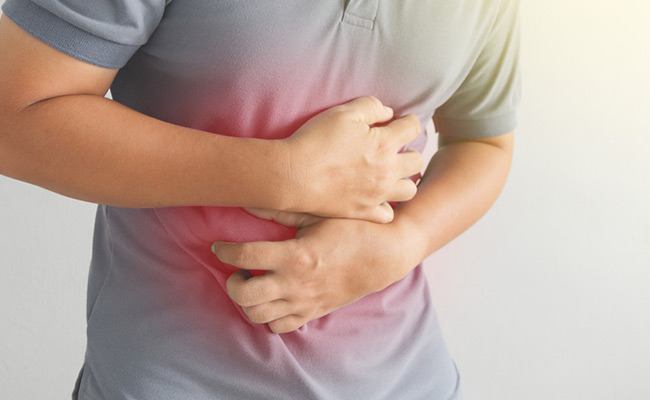
If you are experiencing repeated stomach infections, diarrhea, vomiting or abdominal pain, your food choices may not be the only culprit. Increasingly, doctors are investigating contaminated water sources and hygiene lapses as hidden causes behind recurring gastrointestinal illnesses. Globally, unsafe drinking water, poor sanitation and inadequate hand hygiene remain major public health threats. According to the World Health Organization (WHO), contaminated water and poor sanitation are linked to approximately 505,000 diarrheal deaths each year worldwide. While food poisoning often takes the blame, experts say that unsafe water used for drinking, cooking or even washing vegetables may be the real trigger.
In India, periodic outbreaks of diarrheal diseases and typhoid have raised concerns about municipal water contamination and sanitation gaps. This is especially the case since the many outbreaks that have happened in India this year itself, leading to multiple deaths in Indore to now deaths in a Haryana village. From hepatitis to typhoid, there are many viral, bacterial and parasitic diseases that can claim lives due to water contamination.
Gastroenterologists warn that when stomach problems keep returning despite dietary precautions, it is time to look beyond the plate, and examine the water you drink and the hygiene practices you follow.
"It's Not Always The Food"
Dr Rubal Gupta, Additional Director, Gastroenterology, Fortis Hospital Faridabad, says recurrent gastrointestinal complaints often prompt deeper investigation. "Doctors are investigating water and hygiene issues due to repeated stomach problems, which can lead to waterborne diseases like diarrhea, cholera and typhoid," says Dr Gupta.
He explains that patients frequently assume street food or spicy meals are responsible, but in many cases, contaminated drinking water or improperly stored household water is the source. "Contaminated water and poor sanitation are linked to millions of deaths worldwide each year. Many patients do not realise that even water used for brushing teeth, washing fruits or making ice can carry harmful pathogens," he adds.
The Burden Of Waterborne Diseases
According to the World Health Organization, unsafe water, sanitation and hygiene (WASH) are responsible for hundreds of thousands of diarrheal deaths annually. Children under five are particularly vulnerable. The UNICEF has also reported that inadequate sanitation and unsafe water remain major contributors to preventable childhood illnesses in low- and middle-income countries.
Common waterborne diseases include:
- Diarrhea: Caused by bacteria, viruses or parasites present in contaminated water
- Cholera: A severe diarrheal illness caused by Vibrio cholerae, spread through contaminated water
- Typhoid: A bacterial infection caused by Salmonella Typhi
- Dysentery: Characterised by bloody diarrhea due to bacterial infection
The Centers for Disease Control and Prevention (CDC) notes that these infections often spread in areas with poor sewage systems, leaking pipelines or inadequate water treatment.
When Repeated Stomach Problems Signal A Bigger Issue
Doctors advise paying attention to warning signs such as:
- Frequent loose stools lasting more than a few days
- Recurrent fever with abdominal pain
- Blood or mucus in stools
- Persistent nausea or vomiting
- Unexplained weight loss
Dr Gupta says, "If stomach infections keep recurring in a family or neighbourhood, we start looking at common water sources, storage tanks and sanitation practices. Repeated exposure to contaminated water can keep reintroducing infection despite treatment." He emphasises that antibiotic treatment alone may not solve the problem if the environmental source remains untreated.
Lessons From Recent Outbreaks
Recent studies have highlighted the importance of monitoring water quality. A diarrheal outbreak in Indore, India, reportedly affected over 3,000 people and resulted in multiple deaths after water contamination in certain localities. Currently, water contamination is also emerging as a key issue in Haryana, where seven deaths have occurred in 15 days, while locals are claiming the actual deaths are closer to 12 or higher. Of the seven confirmed, four deaths are reportedly linked to viral hepatitis. Such incidents underscore how infrastructure lapses can trigger large-scale illness.
The World Bank has repeatedly stressed that improving water supply systems and sanitation infrastructure is critical for reducing disease burden in developing nations. Even in urban settings, leaking pipelines running parallel to sewage lines can allow contamination during pressure drops. Household-level storage in unclean tanks or containers further increases risk.
Why Hygiene Matters As Much As Water Quality
Water safety is closely linked with hygiene practices. According to the World Health Organization, handwashing with soap can significantly reduce diarrheal disease transmission.
Poor hygiene practices that contribute to infection include:
- Not washing hands after using the toilet
- Handling food without proper hand hygiene
- Using contaminated cloths to wipe utensils
- Storing drinking water in open containers
Dr Gupta explains: "Improving water quality alone is not enough. Practising good hygiene, especially handwashing and safe storage of drinking water, plays a crucial role in prevention."
Prevention: What You Can Do
Experts recommend the following preventive measures:
1. Ensure Safe Drinking Water
- Use certified water purifiers or boil water where quality is uncertain
- Clean overhead tanks and storage containers regularly
2. Maintain Sanitation
- Avoid open defecation
- Ensure proper sewage disposal systems
3. Practise Hand Hygiene
- Wash hands with soap before meals and after toilet use
- Teach children proper handwashing habits
4. Monitor Community Outbreaks
- Report sudden clusters of diarrheal illness to local health authorities
When To Seek Medical Attention
Seek immediate medical care if there are signs of dehydration (dry mouth, reduced urination, dizziness), persistent high fever or blood in stools. Untreated cholera or typhoid can become life-threatening. Dr Gupta advises: "Do not repeatedly self-medicate with antibiotics or anti-diarrheal drugs. Identifying and correcting the environmental source is equally important to prevent recurrence."
Repeated stomach infections are not always about what you eat. Contaminated water and poor hygiene remain silent drivers of gastrointestinal diseases in many parts of the world. With hundreds of thousands of preventable deaths linked to unsafe water each year, experts stress that safe drinking water, sanitation infrastructure and personal hygiene are as important as dietary caution. If stomach issues keep coming back, it may be time to test your water, not just your tolerance for spicy food.
Disclaimer: This content, including advice, provides generic information only. It is in no way a substitute for a qualified medical opinion. Always consult a specialist or your own doctor for more information. NDTV does not claim responsibility for this information.