

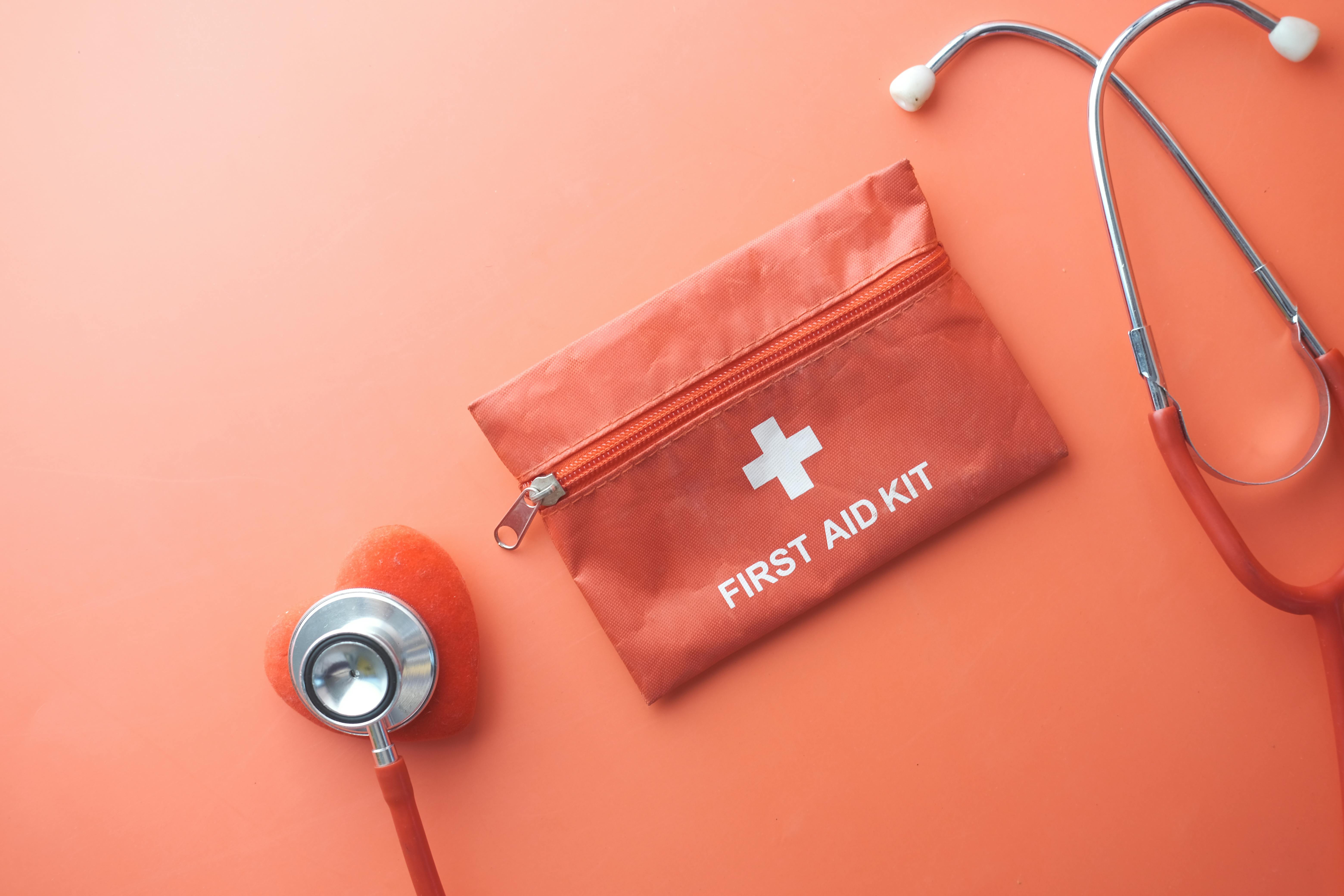
)
World First Aid Day is observed every year on the second Saturday of September. In 2026, it falls on September 12. The theme for World First Aid Day this year is "First Aid in Migration Contexts". First aid can make a crucial difference in the minutes between an injury or medical emergency and professional medical help arriving. A cut, burn, fall, choking episode, fainting spell or sudden allergic reaction can happen at home, at work, while travelling or in public places. Knowing what to do immediately can help prevent a minor problem from becoming worse and, in some emergencies, may help save a life.
First aid does not mean replacing a doctor or hospital. It is about providing immediate and basic care until professional medical help is available. The International Federation of Red Cross and Red Crescent Societies (IFRC) says first aid is something anyone can learn and use, wherever they are. This makes basic training and keeping a well-stocked first-aid kit at home especially important.
What Is First Aid And Why Is It Important?
First aid is the immediate care given to a person who is injured or suddenly becomes unwell. Its main goals are to preserve life, prevent the condition from getting worse and support recovery until medical care is available. A person providing first aid should first make sure the surroundings are safe. Calling emergency medical services should not be delayed.
Basic First Aid Tips Everyone Should Know
- For cuts and bleeding: Wash your hands if possible and apply firm, direct pressure over the wound using sterile gauze or a clean cloth. Keep pressure on the wound rather than repeatedly lifting the dressing to check it. Heavy or uncontrolled bleeding needs urgent medical attention.
- For burns: Cool the affected area under cool, running water for around 20 minutes as soon as possible. Do not apply ice, butter, toothpaste or other household substances. Large, deep or serious burns require medical care.
- For choking: If an adult or child cannot breathe, speak or cough effectively, immediate choking first aid is needed. Encourage effective coughing when appropriate and use trained choking-relief techniques when necessary. If the person becomes unresponsive, call emergency services and begin CPR.
- For fainting: Help the person lie down safely and check that they are breathing normally. Do not give food or water to someone who is unconscious. If they do not regain consciousness quickly, have breathing problems or suffered an injury during the fall, seek emergency help.
- For suspected fractures or serious injuries: Keep the injured area as still as possible. Avoid trying to straighten a visibly deformed limb. Get medical help, particularly if there is severe pain, swelling, bleeding, numbness or difficulty moving the affected area.
- For CPR emergencies: If a person is unresponsive and not breathing normally, call emergency medical services and begin CPR if you are trained to do so. An automated external defibrillator, when available, can also be used. Proper hands-on first-aid and CPR training is the best way to build confidence for such situations.
What Should Your First-Aid Kit Have?
A basic home first-aid kit should be easy to find and regularly checked. It can include:
- Sterile gauze pads and adhesive bandages
- Medical adhesive tape
- Antiseptic wipes or solution
- Clean disposable gloves
- Cotton or appropriate wound-cleaning materials
- Scissors
- Tweezers
- A digital thermometer
- An instant cold pack
- A triangular bandage or simple bandage
- A clean emergency blanket
- A CPR face shield or breathing barrier, if available
- A list of emergency contact numbers
- Regularly required personal medicines, where appropriate
Medicines should not be added randomly to a first-aid kit. Any medication should be stored safely, checked for expiry dates and used according to medical advice or the label. Families with children, older adults or members with allergies or chronic conditions may need to personalise their kit to their specific needs.
When Should You Seek Medical Help?
First aid is only the first step. Immediate medical help is needed for severe bleeding, loss of consciousness, breathing difficulty, chest pain, suspected stroke, serious burns, major trauma, poisoning, seizures or severe allergic reactions.
It is also important not to attempt procedures you have not been trained to perform. Staying calm, protecting yourself from exposure to blood or bodily fluids, calling for help and following basic first-aid principles can make an emergency safer for everyone involved.
Disclaimer: This content including advice provides generic information only. It is in no way a substitute for a qualified medical opinion. Always consult a specialist or your own doctor for more information. NDTV does not claim responsibility for this information.