

)
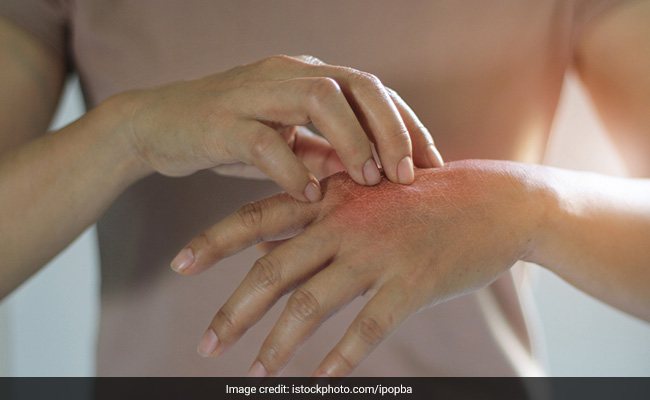
A food intolerance test may not always be the right way to find out why a person is getting skin problems like rashes, itching or swelling after eating certain foods, says nutritionist Rashi Chowdhary.
Sometimes, you may feel itchy, develop rashes or notice swelling after eating a particular food, but it can be difficult to understand what exactly caused the reaction. In such cases, doctors may suggest food intolerance tests to identify the possible cause.
In an Instagram video, Chowdhary explains that most food intolerance tests measure IgG antibodies, which only show that the immune system has been exposed to a certain food. A positive result does not necessarily mean that the food is responsible for causing the symptoms.
According to Chowdhary, symptoms like hives, itching and swelling are usually linked to another type of antibody called IgE, which triggers allergic reactions. However, many food intolerance tests do not measure IgE levels.
She says people often spend thousands of rupees on such tests without checking whether the test is actually looking at the mechanism behind their symptoms. "If your list of "foods I can't eat anymore" just keeps getting longer… it might be time to stop blaming the food. More often than not, it's your gut asking for help - not another restrictive diet," she captions the post.
"Look, when digestion is impaired, inflammation is high, the food motility inside your gut slows down and the gut microbiome gets disrupted," the nutritionist advises.
Chowdhary says that foods you have eaten for years can suddenly cause reactions if digestion, inflammation or the balance of gut bacteria changes. She suggests a structured elimination diet and the gradual reintroduction of foods to improve gut health, instead of avoiding foods permanently.
"The goal is not to keep eliminating foods all your life, right? The goal is to break down the inflammation so your gut can build and repair so it can tolerate more foods over time," the nutritionist concludes.
Disclaimer: This content including advice provides generic information only. It is in no way a substitute for a qualified medical opinion. Always consult a specialist or your own doctor for more information. NDTV does not claim responsibility for this information.