

)
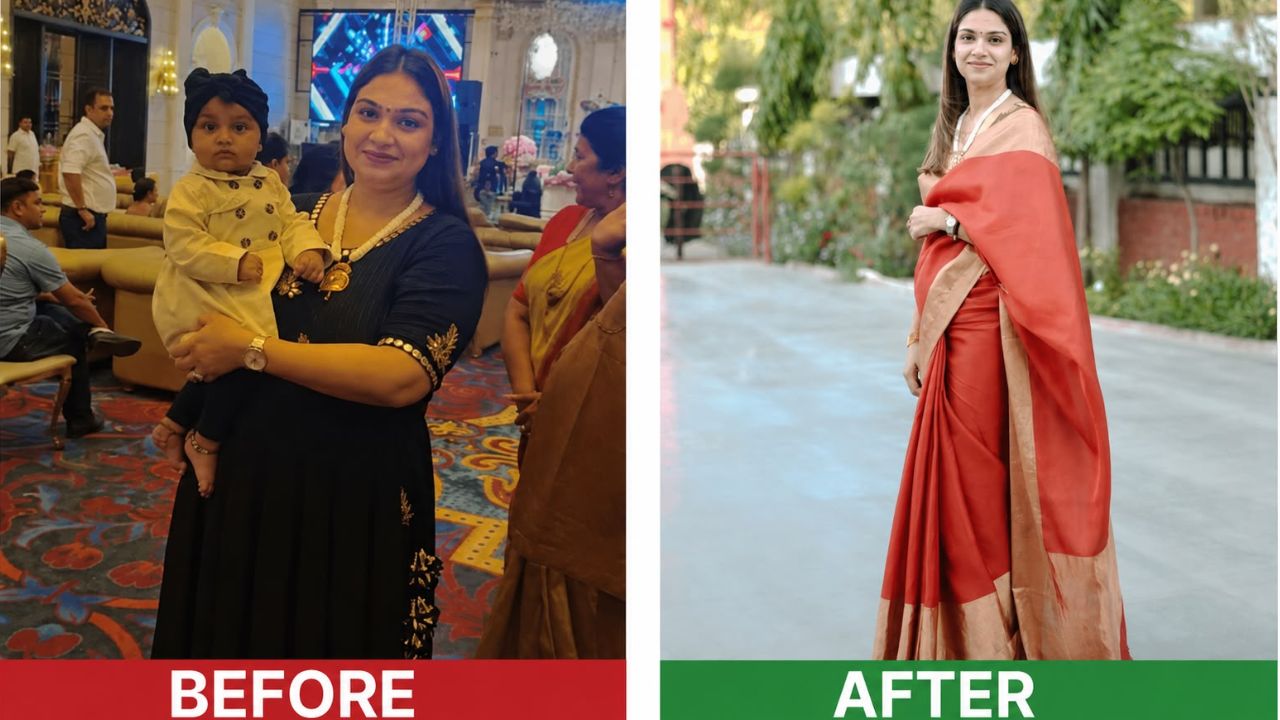
It wasn't a doctor's warning or a number on the weighing scale that changed Meghna's life. It was a simple question from her little daughter. "Mumma, have you grown old? Why can't you carry me upstairs?" The innocent remark stopped Meghna in her tracks. She had just tried climbing the stairs while carrying her six-month-old daughter, but she was completely out of breath. That moment became the turning point in the life of the 32-year-old software engineer-turned-school administrator, who says she lost nearly 30 kg in six months not to become slimmer, but to become healthier. However, medical experts caution that while Meghna's determination is inspiring, such rapid weight loss should not be seen as a benchmark for all new mothers. Motherhood, however, brought a new set of challenges. Her first daughter was born in 2022 and second in 2024, both by Caesarean section. Speaking to NDTV, Meghna recalled, "My daughter was just two months old when I resumed work. My children and my work became my priorities. I always considered my work as my third child. Somewhere in the process, my own health became the least important."
No Gym, No Crash Diet
Several months after her second delivery, Meghna underwent a comprehensive health check-up. The reports showed elevated cholesterol, blood sugar levels beyond the normal range and thyroid-related issues. By then, her weight had reached nearly 90 kg. Unlike many weight loss stories, Meghna says she did not join a gym or follow expensive diet plans. Her routine centred on discipline rather than restriction.
She ate three balanced meals a day, avoided overeating and generally finished dinner before sunset. Her mornings began with a fresh juice made from amla, pomegranate, apple, beetroot and cucumber. Breakfast usually consisted of Daliya or poha with curd or buttermilk. Lunch included one chapati, seasonal vegetables, salad and buttermilk, while in evenings she had tea with roasted makhana instead of biscuits. Dinner remained simple, consisting of dal with chapati or rice.
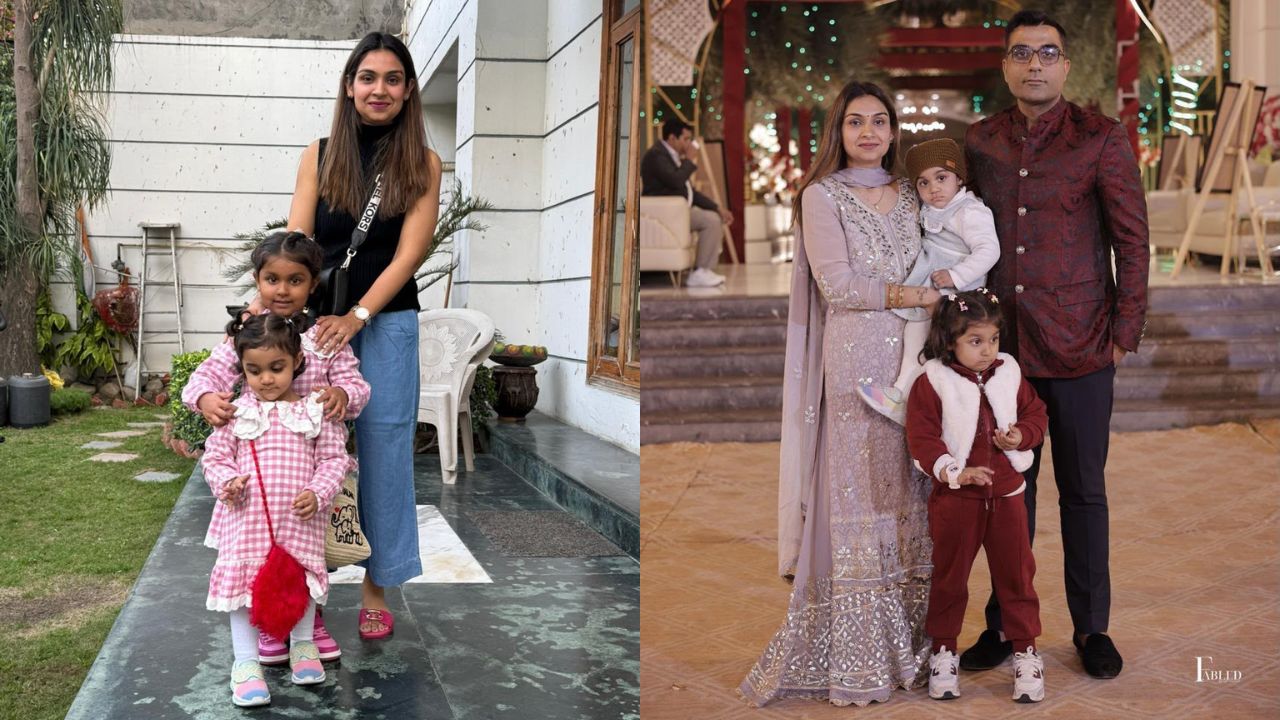
Meghna underwent a comprehensive health check-up
"I never punished my body. Discipline and punishment are two different things," she said. She also avoided processed foods, never skipped meals and walked at least 1 hour regularly after dinner. Once a week, however, she allowed herself a cheat meal, whether it was pizza, golgappas or chhole bhature. She also observed a weekly fast on Mondays.
Doctors Urge Caution
Senior Consultant Obstetrician and Gynaecologist Dr. Sujata Bhat of Kailash Hospital, Noida, says Meghna's determination is commendable, but her experience should not be treated as a universal model for postpartum weight loss. "Her journey is inspiring because she balanced motherhood, work and her health. However, rapid weight loss after childbirth is not suitable for everyone and should always be approached with caution," Dr. Bhat said.
According to the doctor, postpartum weight gain commonly occurs due to increased calorie intake, particularly traditional high-calorie foods, reduced physical activity, sleep deprivation and stress.
She explained that women naturally lose around six kilograms immediately after childbirth due to the baby's weight, placenta and fluid loss. After that, a gradual weight loss of around 2-4 kilograms per month is generally considered healthy.
"Weight loss should come from a balanced, calorie-controlled diet that supports recovery and does not interfere with breastfeeding," she said. Dr. Bhat emphasised that postpartum weight management should ideally include regular exercise, nutritious meals and guidance from healthcare professionals, as every woman's health condition is different.
Is Skipping Dinner Safe?
Responding to Meghna's practice of avoiding food after sunset, Dr. Bhat said time-restricted eating may benefit some individuals but is not recommended for breastfeeding mothers during the first six months after delivery.
"Avoiding food from 6 PM to 6 AM may be healthy in some situations, but breastfeeding mothers require adequate nutrition. Restricting food during this period may reduce milk production and increase fatigue," she said.
Dr. Bhat warned that losing weight too quickly after childbirth can result in several health problems, including nutritional deficiencies, iron deficiency, calcium and vitamin D deficiency, anaemia, persistent fatigue, body aches and reduced breast milk production.
She also noted that while successful weight loss may improve confidence and mental well-being in some women, the physical stress of rapid weight loss could worsen fatigue or even contribute to depression in others.
Advice For Working Mothers
Dr. Bhat advised new mothers returning to work to seek support wherever possible. She recommended working from home if feasible, storing expressed breast milk for caregivers, sharing household responsibilities with family members and prioritising adequate sleep, healthy eating and regular physical activity.
"Balancing work and motherhood can feel overwhelming in the beginning, but with family support and healthy lifestyle habits, women can gradually achieve a sustainable work-life balance," she said.
While Meghna's journey highlights the role of discipline and lifestyle changes, doctors say postpartum weight loss should be gradual and tailored to an individual's health condition. They advise new mothers to avoid crash diets or intense exercise without medical guidance, especially after childbirth, and recommend consulting a healthcare professional before beginning any weight-loss plan.
Disclaimer: This content including advice provides generic information only. It is in no way a substitute for a qualified medical opinion. Always consult a specialist or your own doctor for more information. NDTV does not claim responsibility for this information.