

)
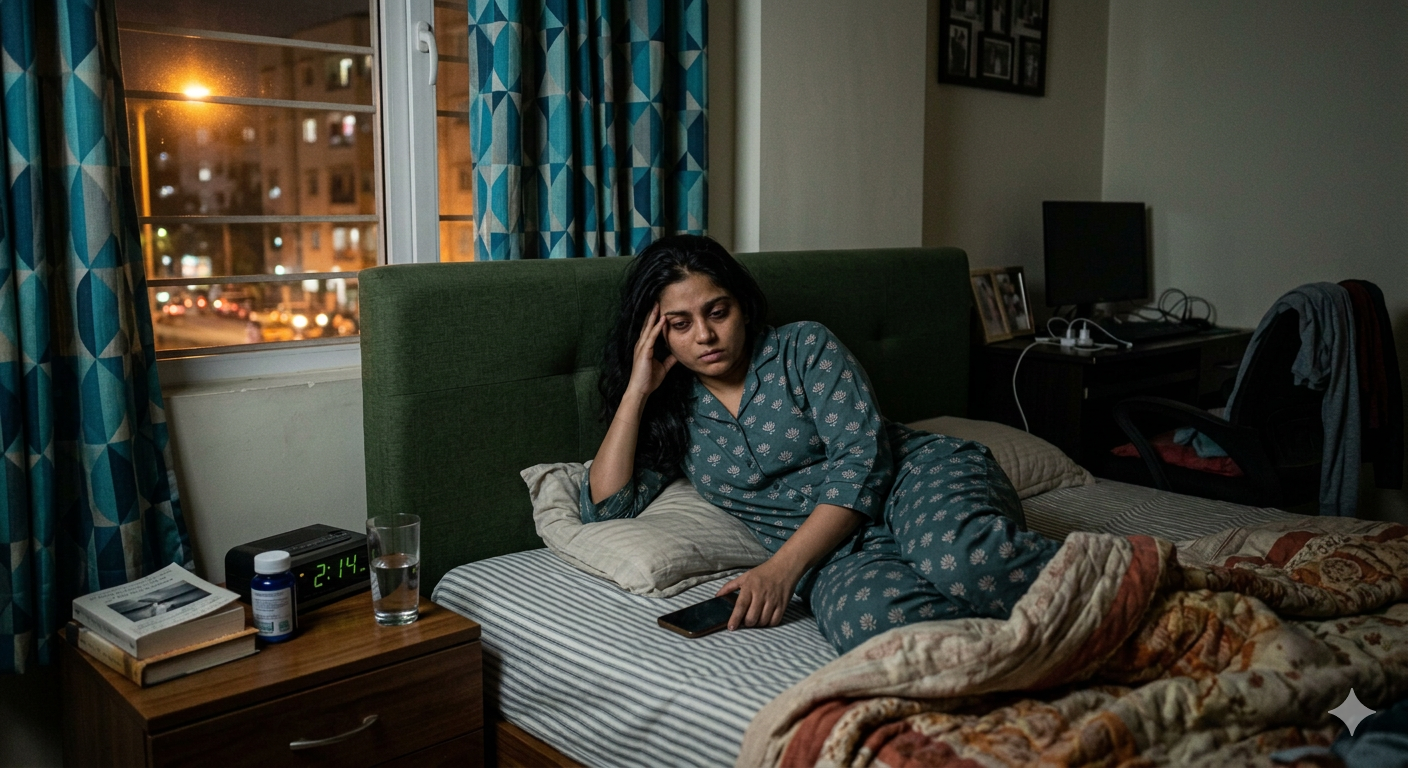
Busy schedules, strict deadlines, pervasive use of technology and pressures of academics and social lives directly affect one's sleep quality and quantity. Sleep deprivation has become increasingly common, especially among the younger population, due to lifestyle choices. Most individuals prioritise different activities over getting enough sleep, often leading to late nights and insufficient rest. However, poor sleep is a major health concern because it carries severe medical risks. Studies indicate that globally, about 1 in 3 adults experience insomnia symptoms. Additionally, women generally report poorer sleep quality than men, with 38% of women struggling to fall asleep compared to 29% of men.
While often dismissed as a minor inconvenience, chronic inadequate sleep is linked to several severe health conditions.
Short-term consequences
Even a single night of poor sleep can significantly impair daily functioning. These immediate effects include:
- Cognitive impairment
- Reduced attention span
- Moodiness
- Increased stress
- Irritability
- Safety risks
- Headaches
- Fatigue
Long-term consequences include:
Chronic lack of sleep, typically defined as consistently getting less than 7 hours per night, is linked with serious health conditions:
-
Cardiovascular disease
Long-term sleep loss is strongly associated with common heart-related issues such as hypertension (high blood pressure), high cholesterol, heart attacks, and strokes. Sleep plays a critical role in maintaining blood pressure and overall heart health.
-
Metabolic issues
Sleep influences the hormones that regulate hunger, specifically ghrelin (hunger hormone) and leptin (fullness hormone). Disrupting sleep can lead to an imbalance in these hormones, resulting in increased appetite, weight gain, and a higher risk of obesity and Type 2 diabetes.
-
Low immunity
During sleep, the body produces cytokines, which are essential for fighting infections and inflammation. Lack of sleep weakens the immune system, making individuals more prone to illnesses like colds and flu, and slows down recovery from infections.
-
Mental health issues
There is a bidirectional link between sleep and mental health. Chronic sleep loss can contribute to or exacerbate conditions like depression, anxiety, and bipolar disorder. On the other hand, these issues can also contribute to poor sleep.
-
Neurodegenerative risk
Sleep plays a crucial role in clearing toxins from the brain, including beta-amyloid, which is associated with Alzheimer's disease. Inadequate sleep over time may impair this process, potentially increasing the risk of neurodegenerative diseases.
-
Reproductive health
Persistent sleep issues have been linked to lower fertility rates in both men and women, as adequate sleep is necessary for hormone production that supports reproductive health.
Signs of poor sleep quality include:
Sleep quantity refers to the total number of hours you obtain, whereas sleep quality assesses how well you truly rested. It's possible to get the recommended 7-9 hours but still suffer from poor quality sleep.
- Feeling tired or foggy in the morning
- Frequent morning headaches
- Increased irritability
- Mood swings
- Difficulty concentrating
- Increased hunger, leading to weight gain
- Dark circles and puffy eyes
- Difficulty falling asleep
- Frequent night awakenings
- Excessive daytime sleepiness
Tips to promote better sleep quality
- Go to bed and wake up at the same time every day, even on weekends, to regulate your body's internal clock.
- Keep the bedroom cool, dark, and quiet. Consider using blackout curtains or white noise machines if necessary.
- Reduce exposure to screens at least an hour before bedtime. The blue light emitted by phones, tablets, and computers can interfere with melatonin production.
- Avoid large meals, caffeine, and alcohol close to bedtime. These can disrupt sleep or make it more difficult to fall asleep.
- Engage in relaxation techniques such as deep breathing, meditation, or gentle yoga before bed to help calm the mind.
- Regular physical activity can promote better sleep, but try to avoid vigorous exercise close to bedtime.
- If you take naps, try to keep them short (20-30 minutes) and not too late in the day to prevent interference with nighttime sleep.
To conclude, addressing sleep issues is essential not only for improving daily functioning but also for safeguarding long-term health and well-being.
Disclaimer: This content including advice provides generic information only. It is in no way a substitute for a qualified medical opinion. Always consult a specialist or your own doctor for more information. NDTV does not claim responsibility for this information.