

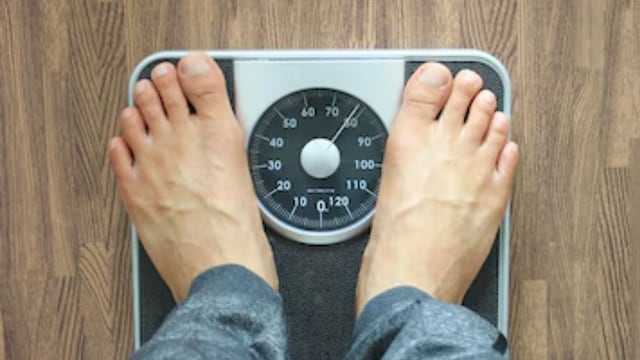
Many people believe that exercise is useful only if it leads to noticeable weight loss. However, new guidance from the American Heart Association (AHA) suggests that this outlook is too narrow. Physical activity provides important health benefits even when body weight changes very little. Studies show that regular exercise can improve heart health, blood pressure, blood sugar control, and overall fitness, regardless of the number displayed on the scale. This is especially important because obesity remains a major risk factor for cardiovascular disease.
People often feel discouraged when exercise does not give rapid weight loss results and may stop being active altogether. The AHA's latest statement emphasises that exercise should not be judged only by its effect on body weight. Instead, it should be recognised as a powerful tool that protects the heart, improves metabolic health, and supports long-term well-being.
Exercise Offers Benefits Beyond Weight Loss
According to the American Heart Association, exercise alone usually does not result in significant weight loss for most people with obesity. In many cases, the amount of weight lost through exercise without dietary changes is relatively small. However, this does not mean that exercise is ineffective. Researchers found that physical activity produces many positive changes inside the body even when the scale barely moves.
Regular exercise strengthens the cardiovascular system, helps the heart pump blood more efficiently, and improves the body's ability to use oxygen. These improvements lower the risk of heart disease and other serious health problems. As a result, a person may become healthier despite little or no change in body weight.
Better Blood Pressure And Cholesterol Control
One of the most important findings highlighted by the AHA is the effect of exercise on major cardiometabolic risk factors. Physical activity helps lower high blood pressure, which is a leading cause of heart attacks and strokes. It also improves cholesterol levels by increasing beneficial cholesterol and supporting healthier blood vessels.
These benefits can occur independently of weight loss. In other words, a person with obesity who exercises regularly may significantly improve their cardiovascular health even if their body weight remains largely unchanged. This demonstrates why doctors increasingly focus on overall health improvements rather than weight alone.
Improved Blood Sugar And Insulin Sensitivity
Obesity is closely linked to insulin resistance, a condition in which the body struggles to use insulin effectively. Insulin resistance can increase the risk of developing type 2 diabetes and cardiovascular disease. The AHA statement notes that regular physical activity improves insulin sensitivity and helps the body regulate blood sugar levels more effectively.
Exercise allows muscles to use glucose more efficiently, reducing strain on the body's metabolic system. Over time, this can lower the risk of diabetes-related complications and contribute to better long-term health. These improvements often occur regardless of whether a person experiences substantial weight loss.
Fitness Matters More
Researchers are increasingly highlighting the importance of cardiorespiratory fitness, which refers to how effectively the heart, lungs, and muscles work together during physical activity. Higher fitness levels are strongly associated with better health outcomes and lower risks of cardiovascular disease.
The AHA statement suggests that improvements in fitness may be a better indicator of health progress than changes in body weight alone. Someone who can walk farther, climb stairs more easily, or exercise longer than before is likely experiencing important health gains, even if the scale shows only a small difference.
Long-Term Obesity Treatment
Exercise also plays an important role when combined with other obesity treatments such as healthy eating plans, medications, or bariatric surgery. Physical activity can improve weight-loss efforts, help maintain weight loss over time, and improve overall cardiometabolic health. Researchers note that people who remain physically active are often more successful in sustaining healthy lifestyle changes in the long run.
Experts emphasise that exercise should be viewed as a lifelong habit rather than a short-term strategy for losing weight. Even moderate activities such as walking, cycling, swimming, or strength training can provide health benefits.
Disclaimer: This content including advice provides generic information only. It is in no way a substitute for a qualified medical opinion. Always consult a specialist or your own doctor for more information. NDTV does not claim responsibility for this information.