

)
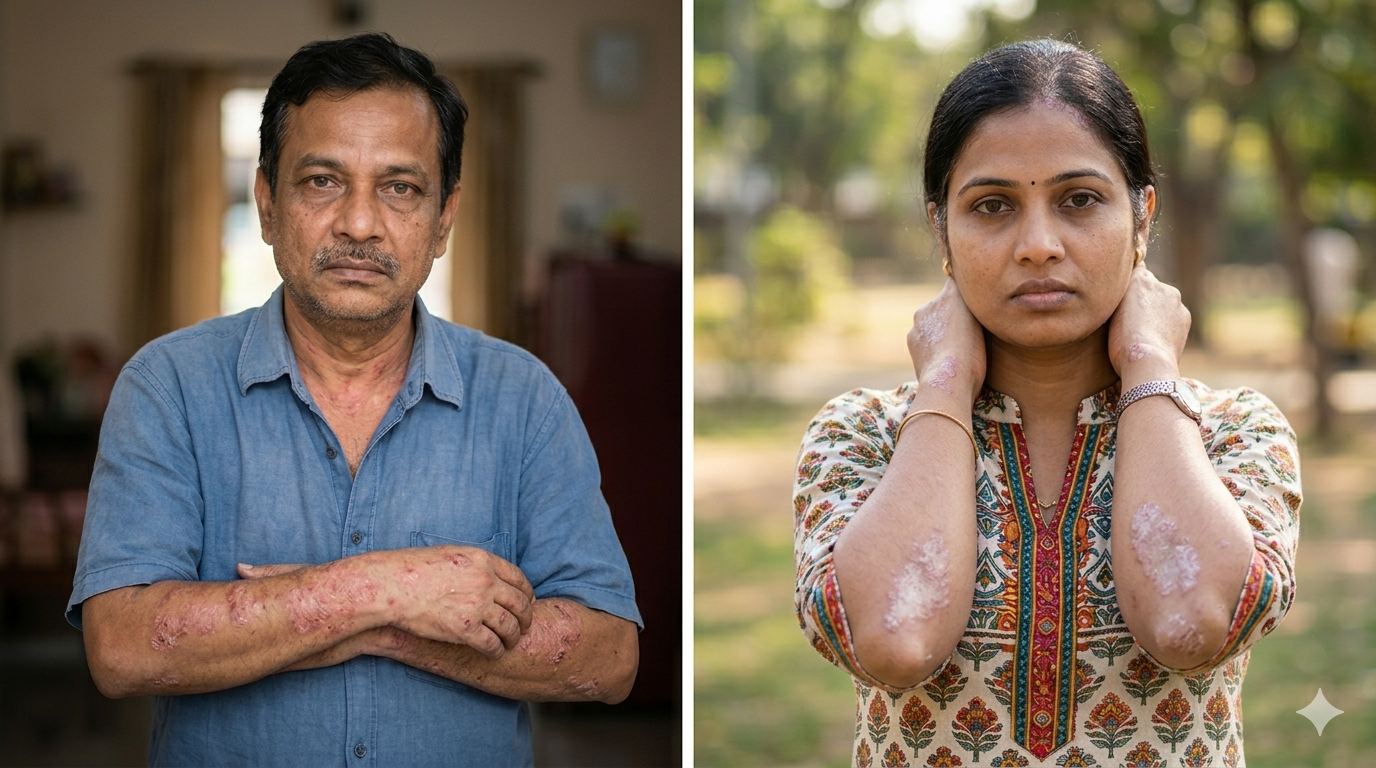
Persistent itching, red patches, and inflamed skin are common complaints, but not all skin conditions are the same. Two of the most frequently confused disorders are eczema and psoriasis, both chronic inflammatory conditions that affect millions worldwide. While they may appear similar at first glance, their underlying causes, symptoms, and treatments differ significantly. According to the World Health Organization (WHO), skin diseases are among the most common human illnesses globally, impacting quality of life, sleep, and mental health. In India, changing weather patterns, pollution, and lifestyle factors are increasingly contributing to flare-ups of chronic skin conditions.
Understanding whether your symptoms point to eczema or psoriasis is crucial, not just for relief, but also for long-term management. Misdiagnosis or delayed treatment can worsen symptoms and lead to complications such as infections or severe inflammation.
Dermatologists stress that while both conditions are manageable, identifying the right one early can make a significant difference in treatment outcomes. Here's a detailed look at how eczema and psoriasis differ, and how to recognise what might be causing that persistent itch.
Eczema vs Psoriasis: How To Tell The Difference
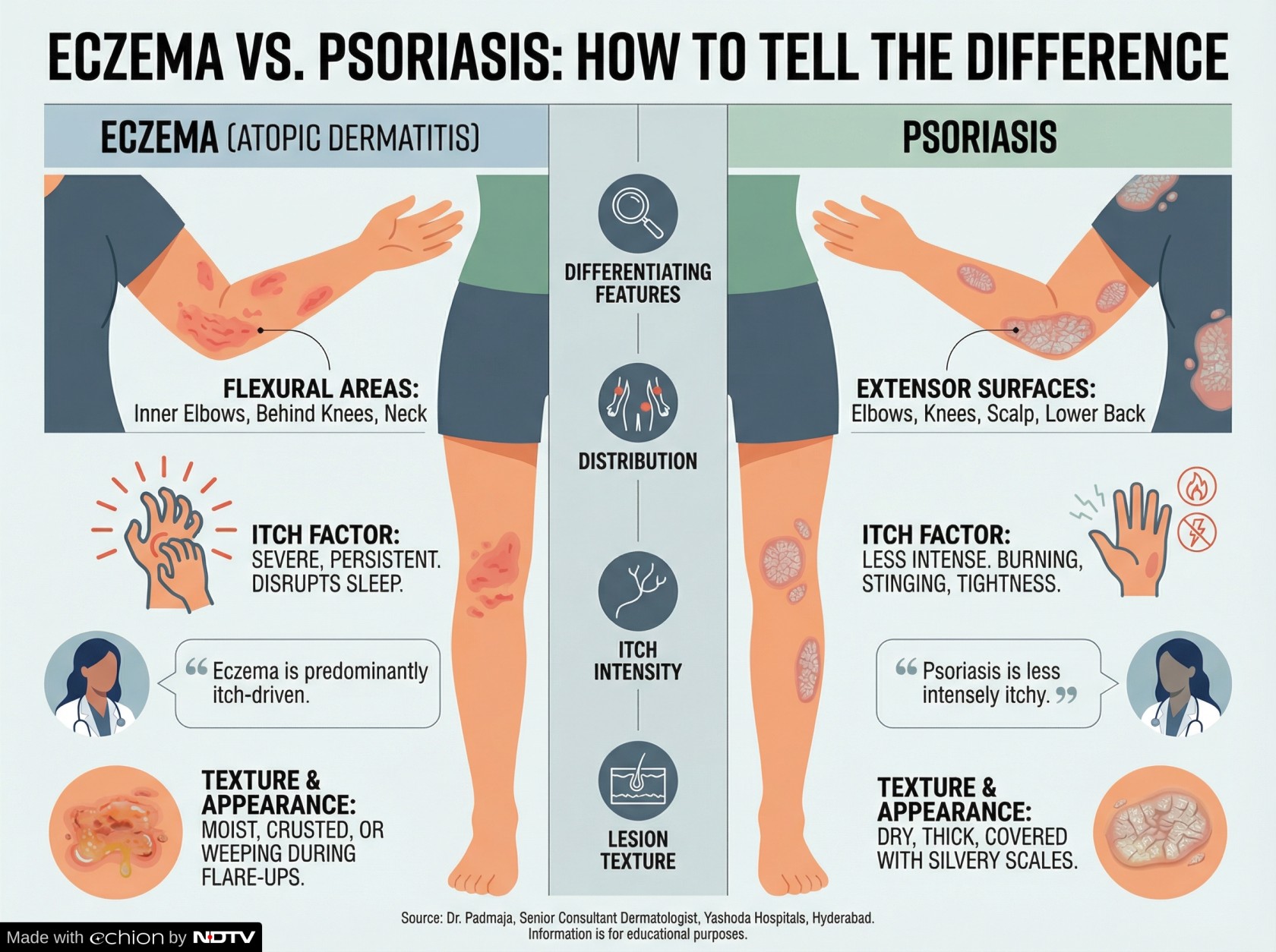
Although eczema and psoriasis may both cause red, inflamed skin, their appearance and distribution on the body vary. Dr. Padmaja, Senior Consultant Dermatologist at Yashoda Hospitals, Hyderabad, explains: "Eczema typically presents as red, inflamed, poorly defined patches, often accompanied by intense itching. These lesions are commonly seen in flexural areas such as the inner elbows, behind the knees, and the neck."
In contrast, she says, "Psoriasis is characterised by well-demarcated, thickened plaques covered with silvery scales, most frequently affecting extensor surfaces like the elbows, knees, scalp, and lower back."
The Itch Factor: A Key Symptom
One of the most noticeable differences between the two conditions is the intensity and nature of itching. Dr. Padmaja highlights that "eczema is predominantly itch-driven, with patients often experiencing severe, persistent itching that can disrupt sleep and lead to secondary skin damage due to scratching."
Psoriasis, on the other hand, behaves differently, she says "Psoriasis is less intensely itchy and is more commonly associated with sensations such as burning, stinging, or tightness." This distinction is supported by research, which shows that itch severity is typically higher in eczema compared to psoriasis.
Also Read: Warm, Moist And Itchy: 7 Fungal Infections You Must Protect Against In Summers
Texture And Appearance: What Your Skin Reveals
The physical characteristics of the lesions can also help differentiate between the two.
- Eczema: May appear moist, crusted, or even "weeping" during flare-ups
- Psoriasis: Typically dry, thick, and covered with silvery scales
"The texture of the lesions also varies," Dr. Padmaja explains. "Eczema may appear moist or crusted, whereas psoriasis plaques are usually dry, thick, and scaly." These visual cues are often the first step in clinical diagnosis.
What Causes Eczema And Psoriasis?
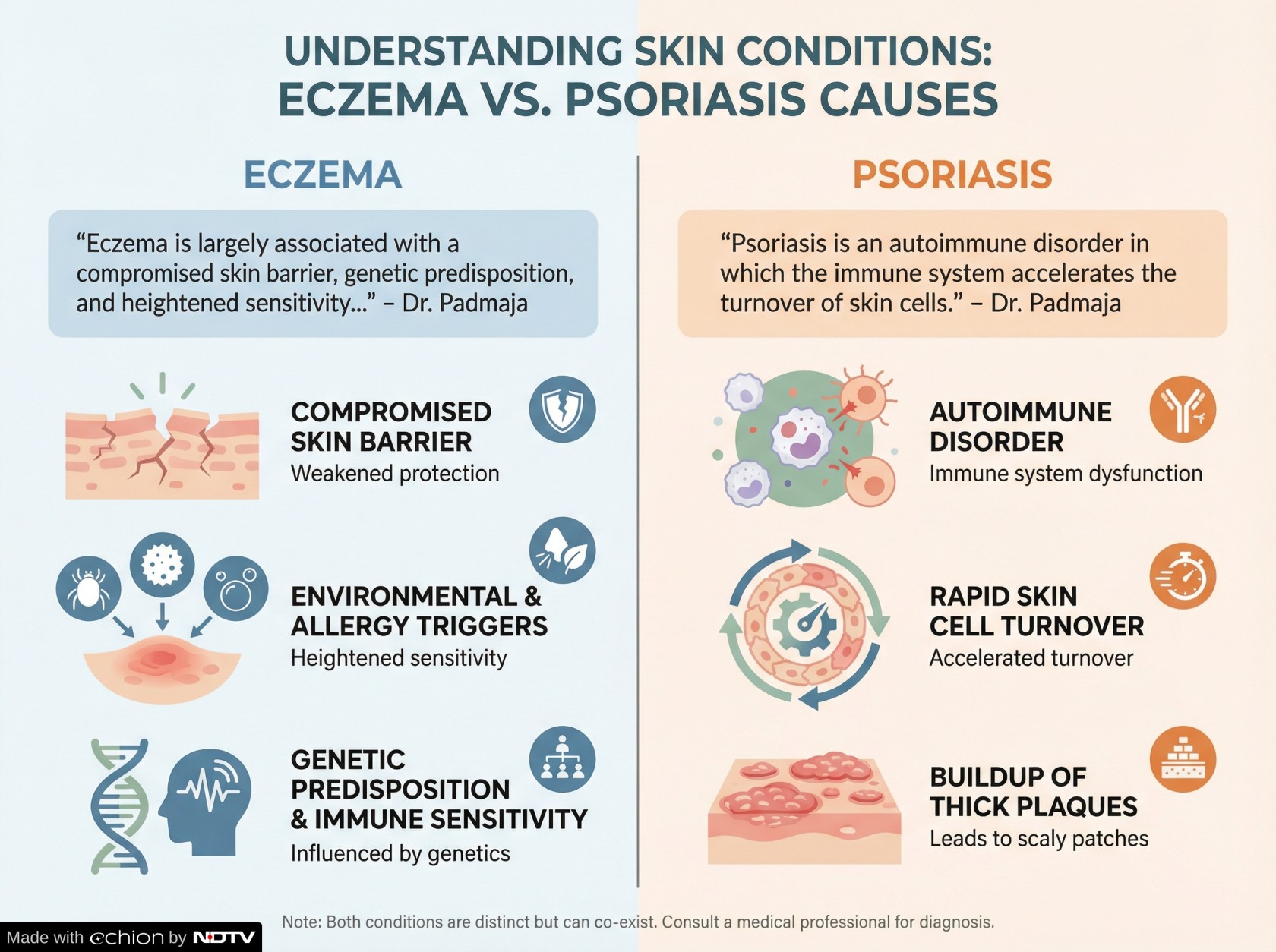
The root causes of eczema and psoriasis are fundamentally different.
Eczema:
"Eczema is largely associated with a compromised skin barrier, genetic predisposition, and heightened sensitivity to environmental triggers such as allergens and irritants," says Dr. Padmaja.
- Linked to a weakened skin barrier
- Often associated with allergies and environmental triggers
- Influenced by genetics and immune sensitivity
Psoriasis:
"Psoriasis is an autoimmune disorder in which the immune system accelerates the turnover of skin cells," she explains.
- An autoimmune condition
- Causes rapid skin cell turnover
- Leads to buildup of thick plaques
Can One Turn Into The Other?
A common myth is that eczema can develop into psoriasis or vice versa. Dr. Padmaja clarifies: "It is important to note that eczema and psoriasis do not evolve into one another." However, she adds: "In rare instances, patients may present with features of both conditions, which can complicate diagnosis."
Such overlap cases require careful evaluation by a dermatologist.
Also Read: Hidden Pain: Common Skin Changes That Could Signal Internal Disease
Treatment: Why Correct Diagnosis Matters
Because eczema and psoriasis have different causes, their treatments also differ significantly.
Eczema management focuses on:
- Restoring the skin barrier with moisturisers (emollients)
- Reducing inflammation with topical medications
- Avoiding known triggers
Psoriasis treatment may include:
- Topical therapies
- Phototherapy (light treatment)
- Systemic medications for moderate to severe cases
"Management of eczema focuses on restoring the skin barrier and avoiding triggers, while psoriasis treatment is more targeted towards modulating the immune response," Dr. Padmaja explains.
When Should You See A Doctor?
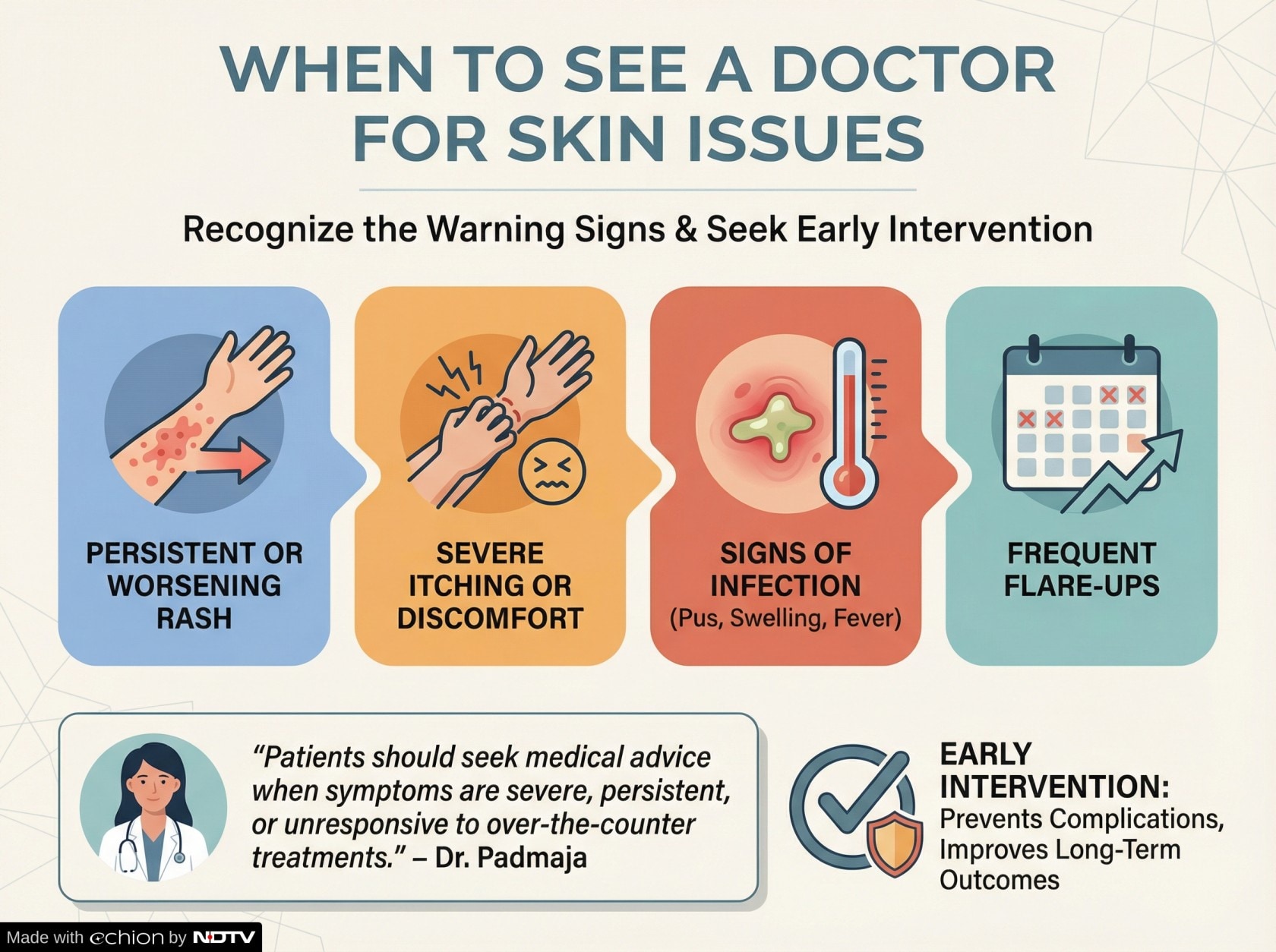
While mild symptoms may be managed with basic skincare, certain warning signs should not be ignored:
- Persistent or worsening rash
- Severe itching or discomfort
- Signs of infection (pus, swelling, fever)
- Frequent flare-ups
"Patients should seek medical advice when symptoms are severe, persistent, or unresponsive to over-the-counter treatments," Dr. Padmaja advises. Early intervention can prevent complications and improve long-term outcomes.
Eczema and psoriasis may look similar, but they are fundamentally different conditions with distinct causes, symptoms, and treatments. Understanding these differences is key to managing symptoms effectively and avoiding unnecessary discomfort. If you are dealing with persistent itching or unusual skin changes, do not rely on guesswork. A proper diagnosis can help you choose the right treatment path and significantly improve your quality of life.
Disclaimer: This content including advice provides generic information only. It is in no way a substitute for a qualified medical opinion. Always consult a specialist or your own doctor for more information. NDTV does not claim responsibility for this information.