

)
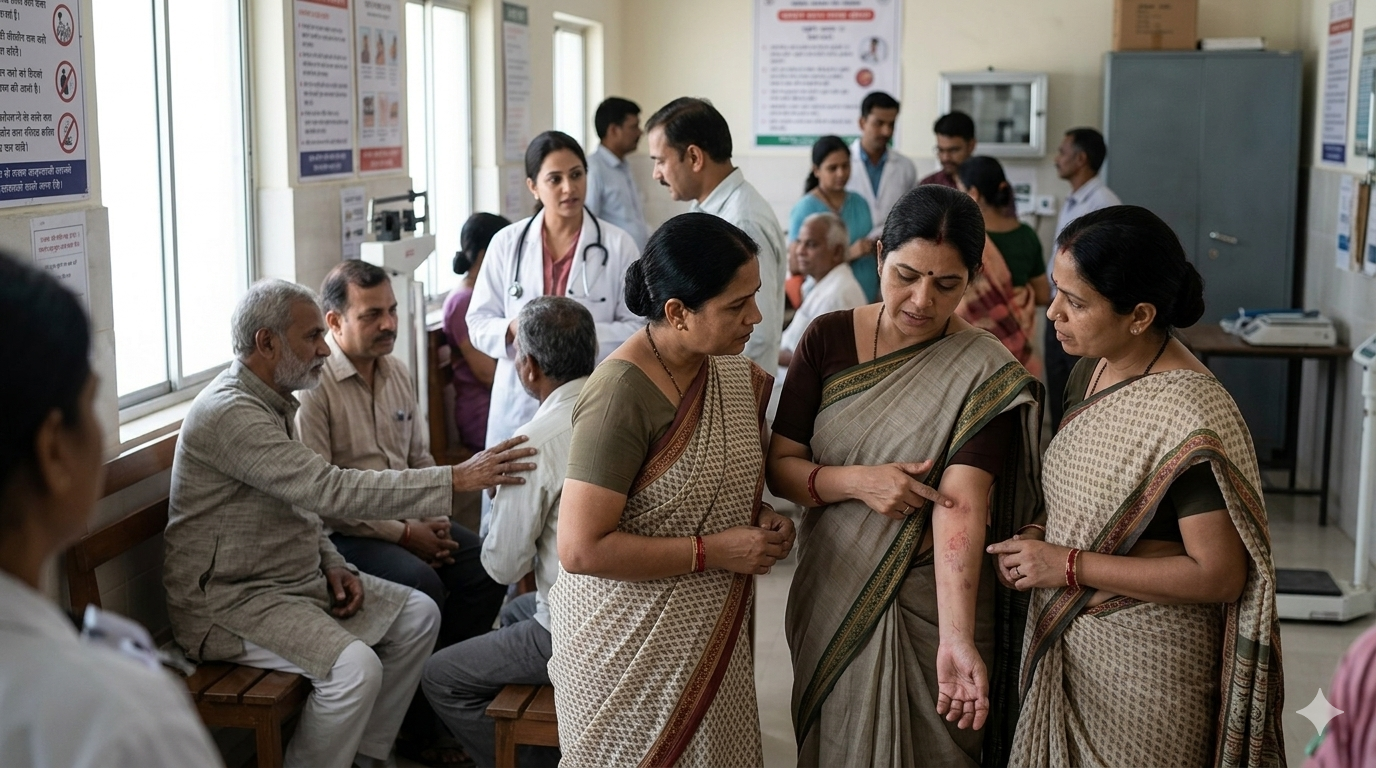
Skin is often described as a mirror of your overall health. While many skin issues are harmless and temporary, some visible changes may signal deeper health problems within the body. Doctors often say that the skin can provide early clues about internal diseases long before other symptoms appear. Recognising unusual or persistent skin changes can help detect underlying conditions earlier and allow timely medical care. Here are some common skin signs that may be linked to internal health issues. According to a study published in Advances in Dermatology and Allergology, darkened patches that feel thick or velvety, usually around the neck, underarms or groin, may be a sign of Acanthosis Nigricans. This condition is commonly associated with insulin resistance and may indicate a higher risk of Type 2 Diabetes. In some cases, it may also be linked to hormonal disorders or obesity. Early detection can help encourage lifestyle changes and medical care to manage blood sugar levels.
Yellowing Of The Skin
A yellow tint to the skin or eyes may indicate Jaundice. This happens when bilirubin, a yellow pigment produced during the breakdown of red blood cells, builds up in the body. Jaundice is often associated with liver related conditions such as Hepatitis or other liver disorders. It may also be linked to bile duct blockage or certain blood disorders. If you notice persistent yellowing of the skin or eyes, it is important to seek medical evaluation.
Also read: Nutritionist Explains Why You May Feel Constant Fatigue And Exhaustion Even After 7-8 Hours Of Sleep
Persistent Itching Without A Rash
Unexplained itching that occurs without visible rashes can sometimes be linked to internal conditions. Chronic itching may occur in people with liver disease, kidney problems or certain blood disorders. For example, persistent itching may occasionally be associated with Chronic Kidney Disease, where toxin buildup in the body can trigger skin discomfort. If itching becomes severe or long lasting, it is worth discussing with a healthcare professional.
Unusual Bruising Or Bleeding
Frequent or unexplained bruising on the skin may suggest issues with blood clotting or platelet levels. Conditions affecting the liver or blood system, such as Leukaemia, may sometimes present with easy bruising or small red or purple spots on the skin. While occasional bruising is common, repeated unexplained bruises should not be ignored.
Pale Or Bluish Skin Tone
Changes in skin colour may also reveal circulation or oxygen related issues. Pale skin can sometimes indicate anaemia, a condition where the body lacks sufficient healthy red blood cells. Bluish discolouration of the skin or lips may occur when oxygen levels in the blood are low. In some cases, this may be linked to heart or lung problems.
Sudden Skin Rashes Or Nodules
Certain autoimmune or inflammatory diseases can cause rashes, lumps or nodules on the skin. For example, red, painful nodules on the legs may sometimes be linked to underlying infections or inflammatory disorders. Any sudden or unusual skin change that persists should be evaluated by a healthcare professional.
When Should You See A Doctor?
Many skin changes are harmless and may resolve on their own. However, if a skin symptom appears suddenly, persists for several weeks or is accompanied by other health problems such as fatigue, fever or unexplained weight loss, medical advice should be sought.
Early detection can help identify underlying diseases before they progress. Your skin often provides valuable clues about what is happening inside the body. Changes such as yellowing, unusual pigmentation, persistent itching or unexplained bruising may sometimes indicate underlying health conditions. Paying attention to these signs and seeking timely medical evaluation can play an important role in protecting your overall health.
Disclaimer: This content including advice provides generic information only. It is in no way a substitute for a qualified medical opinion. Always consult a specialist or your own doctor for more information. NDTV does not claim responsibility for this information.