

)
The Nua Dokanda area of Puri district of Odisha is witnessing a jaundice outbreak. More than 10 people have fallen, which was allegedly triggered by contamination in the Daya River, reported news agency IANS. The health authorities have launched an investigation after residents of the area reported symptoms linked to jaundice. Health officials have urged residents against the use of polluted water.
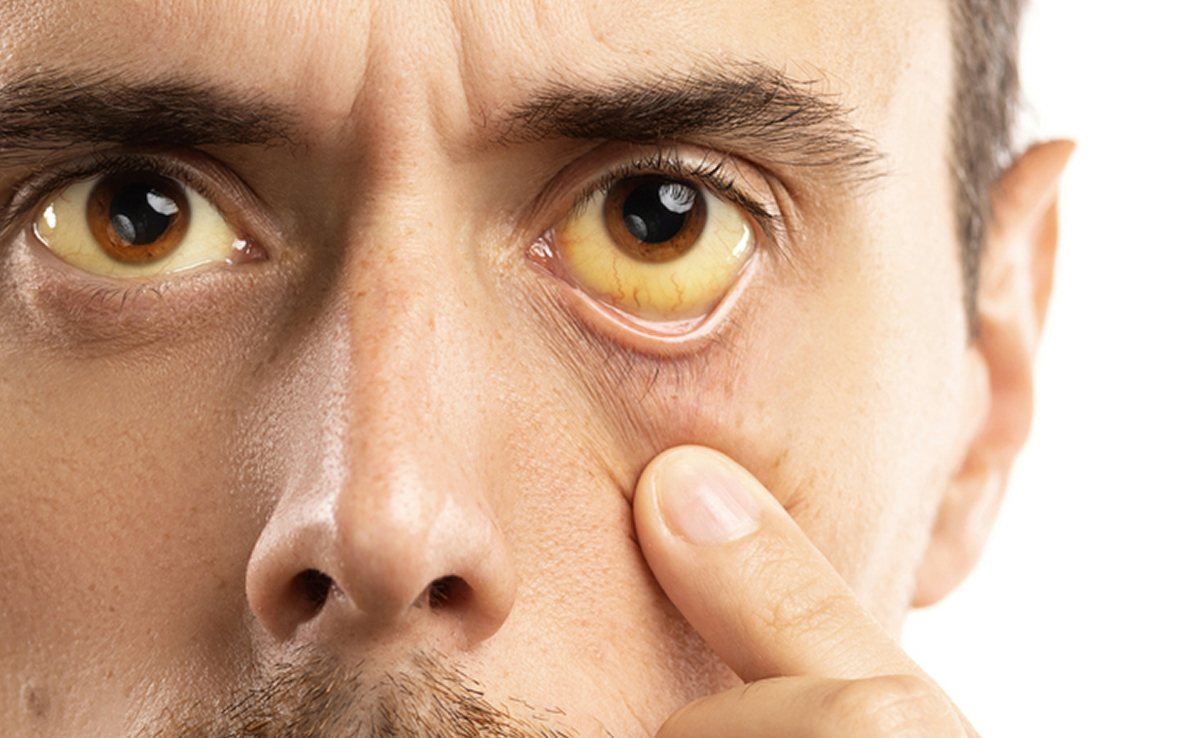
Bibek Anurag, Medical Officer at Kanas Community Health Centre, said, "We have collected water samples as well as samples from all suspected cases. At this stage, we can only comment after the conclusive reports are received. Currently, there are three active patients, but they were already receiving treatment..." Jaundice is a condition wherein your skin, sclera (whites of your eyes) and mucous membranes turn yellow. Read on to know more about the condition, its symptoms, causes, and preventive measures.
What Is Jaundice?
Also known as hyperbilirubinemia, jaundice happens when the liver is unable to process bilirubin in your blood. This can either be caused by too much red blood cell breakdown or liver injury. Your body regularly breaks down old red blood cells and replaces them with new ones. Bilirubin is formed during this breakdown process.
When your liver works normally, it processes bilirubin, making it a part of bile. This is then released into your digestive system. When your liver is unable to process all the bilirubin, it leads to jaundice. When there's too much bilirubin in the blood, it starts to leak into tissues around your blood vessels. This leaking bilirubin makes your skin and the whites of your eyes yellow.
What Are The Symptoms Of Jaundice?
Yellow skin and sclera is one of the most common signs of jaundice. Here are some other signs of the condition.
- Fever
- Chills
- Pain in your stomach
- Flu-like symptoms
- Dark-coloured pee
- Pale-coloured poop
- Being tired or confused
- Itchy skin
- Weight loss
What Are The Causes Of Jaundice?
Jaundice can happen due to several reasons. Cleveland Clinic says it can result from a problem in any of the three phases of bilirubin, which include:
Prehepatic Jaundice
This type of jaundice happens before your body makes bilirubin. When there's too much red blood cell breakdown, it takes over your liver's ability to filter out bilirubin from your blood. Some causes of prehepatic jaundice include:
- Breaking down a large haematoma (bruise) and then reabsorbing it back into your bloodstream.
- Haemolytic anaemias (when blood cells are destroyed and removed from the bloodstream before their normal lifespan is over).
Hepatic Jaundice
This type happens when your liver can't remove enough bilirubin from your blood. You won't have hepatic jaundice if you have liver failure. Some causes of hepatic jaundice include:
- Viruses, including hepatitis A, chronic hepatitis B and C, and Epstein-Barr virus infection (infectious mononucleosis)
- Alcohol-induced hepatitis
- Autoimmune disorders
- Rare genetic metabolic defects
- Medicines, including penicillin, oral contraceptives, chlorpromazine and others
Posthepatic Jaundice
Also known as obstructive jaundice, this type happens when a blockage stops bilirubin from going into your bile ducts. Some causes of posthepatic jaundice include:
- Gallstones
- Inflammation (swelling) of your gallbladder
- Gallbladder cancer
- Pancreatic tumour
Ways To Prevent Jaundice
There are several factors that play a role in causing jaundice, hence preventing it can be hard. Here are some tips to keep yourself protected.
- Stay Hydrated: Drink at least 8-10 glasses of boiled or filtered water daily to flush toxins from the liver and prevent dehydration, which can impact liver function. Proper hydration supports bile production and reduces bilirubin buildup.
- Practice Hygiene: Wash hands thoroughly with soap before eating and after using the restroom to keep away hepatitis A and E transmission via faecal-oral routes. Clean fruits, vegetables, and surfaces regularly to avoid contamination from bacteria or viruses.
- Get Vaccinated: Vaccinate against hepatitis A and B, which are major causes of jaundice, especially before travel or in high-risk areas.
- Eat Liver-Friendly Foods: Opt for a fibre-rich diet with fruits, vegetables, whole grains, and turmeric. Avoid fatty, processed foods and alcohol that can overburden the liver.
- Avoid Toxins: Limit alcohol, don't use unsterilised needles, and avoid contaminated water/ice to protect the liver from damage. Regular exercise and weight management can further help to prevent fatty liver disease.
Disclaimer: This content including advice provides generic information only. It is in no way a substitute for a qualified medical opinion. Always consult a specialist or your own doctor for more information. NDTV does not claim responsibility for this information.