

)
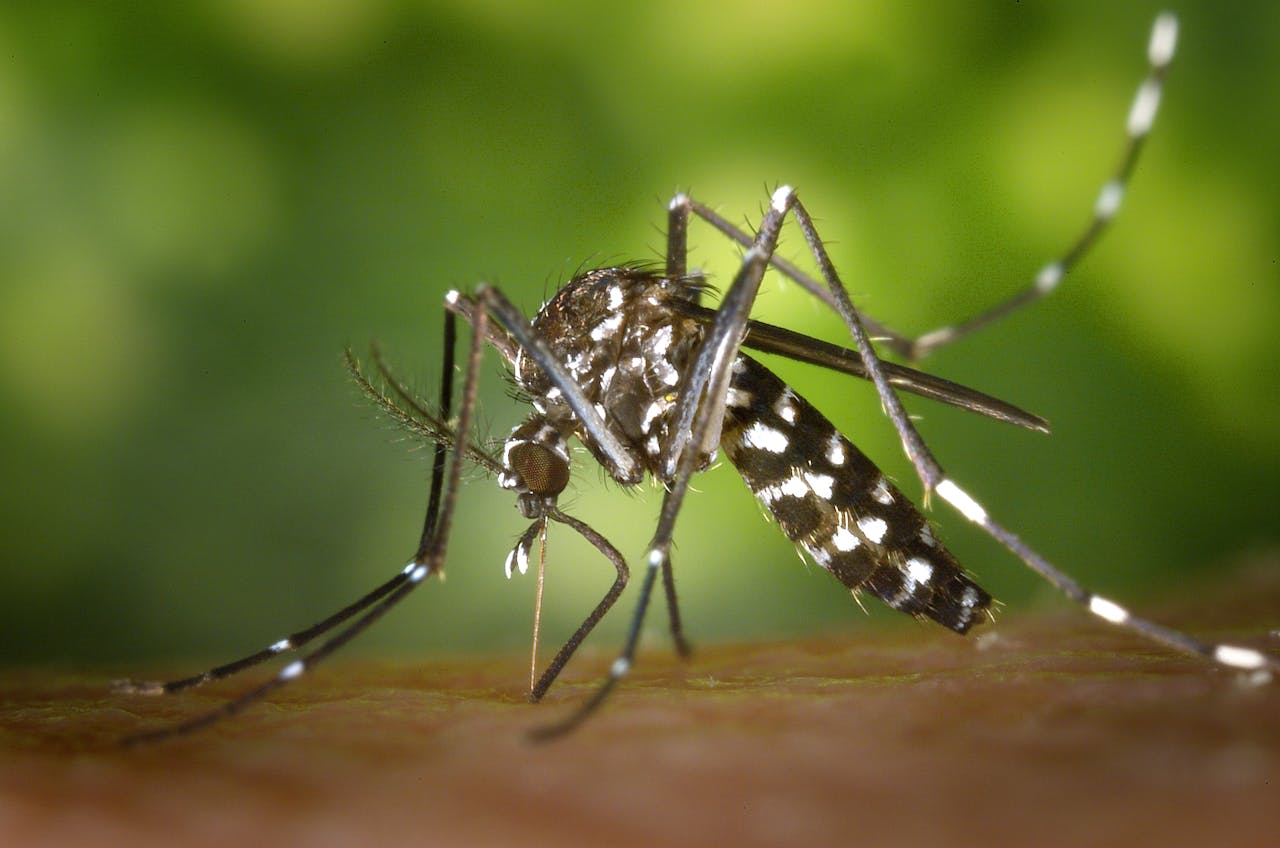
Dengue is one of the most common mosquito-borne illnesses seen during the monsoon and post-monsoon season. It is caused by the dengue virus which spreads through the bite of infected Aedes mosquitoes. The illness usually begins with symptoms that are similar to a regular viral infection. High fever, body pain, headache, weakness, pain behind the eyes, nausea, and skin rashes are some of the commonly reported in the first few days. Since these symptoms are similar to many seasonal infections, people sometimes underestimate the seriousness of the disease in its early stage.
Dr. Neha Rastogi, Senior Consultant, Infectious Disease, Fortis Memorial Research Institute, Gurugram, told NDTV that most dengue patients recover well with proper rest, hydration, and timely medical care. However, the illness can become dangerous if warning signs are ignored. What makes dengue tricky is that the condition may worsen just when the fever starts improving. "Typically, between day four and day seven, some patients enter what we call the 'critical phase.' This is the period where close monitoring becomes extremely important," adds Dr. Rastogi.
Understanding The Early Symptoms Of Dengue
In the beginning, dengue mainly causes flu-like symptoms. A sudden high fever is usually the first sign. This may be accompanied by severe body aches, joint pain, headache, and pain behind the eyes. Some people may also experience nausea, vomiting, tiredness, or a mild skin rash.
These early symptoms can make patients feel extremely uncomfortable, but they are usually manageable at home with medical advice, adequate fluids, and proper rest. Doctors generally recommend staying hydrated, monitoring temperature, and avoiding self-medication, especially painkillers that may increase the risk of bleeding.
At this stage, most patients do not develop severe complications. However, it is still important to stay alert because dengue can change rapidly within a few days.
When Dengue Enters The Critical Phase
One of the biggest misconceptions about dengue is that a falling fever means recovery has started. In reality, doctors often become more cautious when the fever begins to settle.
The critical phase usually develops between the fourth and seventh day of illness. During this time, the blood vessels may start leaking fluid, which can affect blood pressure and organ function. Platelet counts may also begin to fall. While not every patient with low platelets becomes critically ill, a sudden drop combined with worsening symptoms can signal severe dengue.
This phase requires careful monitoring of platelet levels, hydration status, urine output, and overall clinical condition. Timely medical supervision can help prevent complications before they become serious.
Warning Signs That Should Never Be Ignored
Certain symptoms act as red flags and require immediate medical attention. Persistent vomiting is one of the early warning signs that the illness may be progressing. Severe abdominal pain is another symptom that should not be ignored.
Some patients may feel unusually sleepy, confused, restless, or weak. Bleeding symptoms, including bleeding from the gums or nose, blood in vomit, or black stools, can indicate a more severe form of dengue. Breathlessness may also occur due to fluid accumulation in the chest or abdomen.
These warning signs suggest that the disease could be entering a dangerous stage and should always be evaluated by a doctor without delay.
When Dengue Becomes Life-Threatening
Severe dengue can lead to serious complications such as Dengue Haemorrhagic Fever and Dengue Shock Syndrome. In these conditions, patients may experience internal bleeding, severe fluid leakage, organ damage, or a sudden drop in blood pressure.
When blood pressure falls dangerously low, the body may not receive enough oxygen-rich blood, leading to shock. This is the stage where dengue can become life-threatening if treatment is delayed. Patients with severe dengue often need hospital care, intravenous fluids, close monitoring, and sometimes intensive care support. The good news is that with early diagnosis and proper fluid management, most patients recover successfully.
Early Recognition Saves Lives
The key to preventing severe dengue is recognising warning signs early rather than waiting for symptoms to worsen. Monitoring the patient carefully during the critical phase is more important than focusing only on fever reduction. Simple measures such as drinking enough fluids, following medical advice, avoiding unnecessary medicines, and seeking immediate care for warning symptoms can make a major difference.
"The reassuring part is that with timely intervention and careful fluid management, most patients recover well. The focus should be on early recognition of warning signs and seeking medical care without delay," added Dr. Rastogi.
Disclaimer: This content including advice provides generic information only. It is in no way a substitute for a qualified medical opinion. Always consult a specialist or your own doctor for more information. NDTV does not claim responsibility for this information.