

)
High blood pressure, or hypertension, is one of the most common health conditions worldwide, yet millions remain unaware they have it. Doctors often call it a "silent killer" because it can quietly damage the body for years without causing obvious symptoms. By the time warning signs appear, serious complications such as stroke, heart disease, or kidney damage may have already developed. According to Dr. Dhruv Zutshi, Additional Director, Neurology, Fortis Hospital Vasant Kunj, hypertension usually progresses silently because the body gradually adapts to rising blood pressure levels. "High blood pressure is often described as a 'silent disease' because it typically develops and progresses without noticeable symptoms in its early stages," says Dr Dhruv Zutshi.
Why High Blood Pressure Often Goes Unnoticed
Unlike illnesses that trigger pain or discomfort immediately, hypertension does not directly stimulate pain receptors. "The arteries and internal organs affected by increased pressure lack sensory mechanisms that would alert a person to the problem," explains Dr Zutshi. As a result, many people can live with dangerously high blood pressure for years without realising it.
The Body Slowly Adapts To Rising Pressure
One major reason hypertension remains silent is that it usually develops gradually over time. When blood pressure rises slowly:
- Blood vessels become thicker and less elastic
- The heart adapts to increased workload
- Kidneys and other organs compensate temporarily
These adaptive changes can mask symptoms for years. "Blood pressure usually rises slowly over time, allowing the body to adjust to the higher levels," says Dr Zutshi.
Also read: Understanding How Chronic Stress Affects Your Heart And Effective Ways To Manage It
Damage Happens Quietly Inside The Body
Doctors warn that hypertension damages several critical organs, including:
- Brain
- Heart
- Kidneys
- Eyes
- Blood vessels
However, this damage initially occurs at a microscopic level and may not affect daily functioning immediately. "The damage caused by hypertension is typically chronic and cumulative rather than acute," Dr Zutshi explains. Over time, uncontrolled blood pressure can narrow arteries, weaken blood vessels, and reduce blood supply to essential organs.
Symptoms Usually Appear Late
In many cases, symptoms emerge only after complications have already developed. People may first discover they have hypertension after experiencing:
- Stroke
- Heart attack
- Heart failure
- Kidney disease
- Vision loss
"Symptoms tend to emerge only when complications have already developed," says Dr Zutshi.
Can High Blood Pressure Ever Cause Symptoms?
Although hypertension is often symptomless, severe or sudden spikes in blood pressure may occasionally trigger:
- Headaches
- Dizziness
- Blurred vision
- Chest discomfort
- Shortness of breath
However, doctors stress these are not reliable early warning signs. "Severe or sudden increases in blood pressure may cause headaches, dizziness, or visual disturbances, but these are not dependable indicators," Dr Zutshi notes.
Who Is At Higher Risk?
Certain individuals are more likely to develop hypertension, including those with:
- Increasing age
- Obesity
- Diabetes
- Family history of hypertension
- Sedentary lifestyle
- High salt intake
- Chronic stress
- Smoking or alcohol use
People with these risk factors should monitor blood pressure regularly, even if they feel completely healthy.
Why Regular Screening Is Crucial
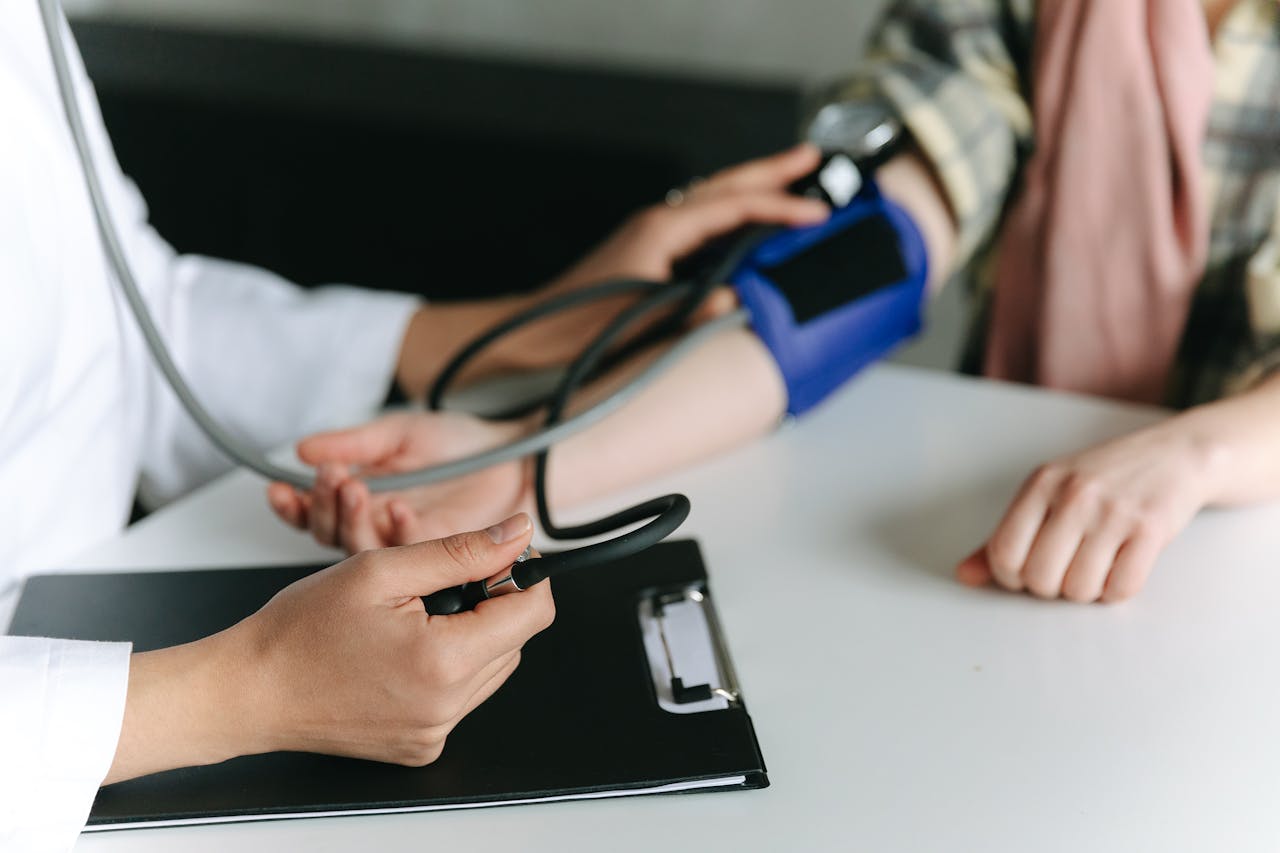
Since hypertension often remains silent, routine blood pressure checks are the only reliable way to detect it early. Doctors recommend periodic screening during:
- Routine health check-ups
- Diabetes evaluations
- Cardiac assessments
- Annual preventive health visits
"Because hypertension is asymptomatic for so long, many individuals remain undiagnosed until routine screening or a complication occurs," says Dr Zutshi.
Also read: The Silent Signs Of Hypertension You Are Probably Ignoring In Your 30s
How To Reduce The Risk Of Hypertension
Experts recommend several lifestyle measures to maintain healthy blood pressure:
Eat A Balanced Diet
Reduce salt intake and increase fruits, vegetables, and whole grains.
Stay Physically Active
Regular exercise supports heart and vascular health.
Maintain Healthy Weight
Obesity significantly increases hypertension risk.
Manage Stress
Poor sleep and chronic stress can worsen blood pressure.
Avoid Smoking And Excess Alcohol
Both can damage blood vessels over time.
Follow Medical Advice
People already diagnosed with hypertension should take medications regularly and avoid stopping treatment without medical supervision. High blood pressure often develops silently, causing gradual damage to the brain, heart, kidneys, and blood vessels without noticeable symptoms. This is why it is known as a "silent killer." Regular monitoring, especially in high-risk individuals, remains the most effective way to detect hypertension early and prevent life-threatening complications.
Disclaimer: This content, including advice, provides generic information only. It is in no way a substitute for a qualified medical opinion. Always consult a specialist or your own doctor for more information. NDTV does not claim responsibility for this information.