

)
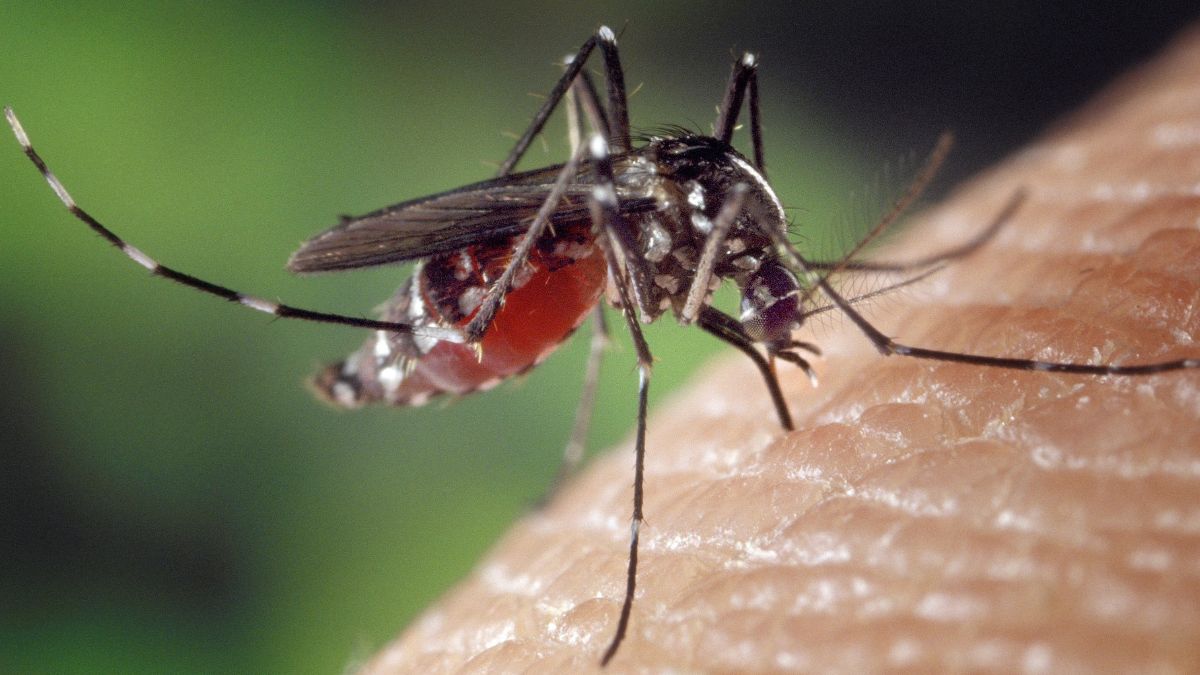
Dengue cases often rise sharply during the monsoon and post-monsoon months, putting both adults and children at risk. However, doctors warn that while children are not necessarily more likely to contract dengue than adults, they may be more exposed to mosquito bites and can deteriorate faster once infected. This makes early recognition and timely medical care especially important in younger age groups. According to Dr. Arvind Kumar, Principal Director & HOD Paediatrics, Fortis Hospital, Shalimar Bagh, children are not inherently more susceptible to the dengue virus itself, but certain behavioral and biological factors increase their risk of exposure and severe illness. "Both children and adults are equally vulnerable to dengue infection if exposed to the virus transmitted by the Aedes mosquito. However, children tend to get more mosquito bites, which increases their chance of exposure," says Dr Arvind Kumar.
Why Children Get More Mosquito Bites
Doctors explain that children are naturally more exposed to mosquito-prone environments because of their lifestyle and daily activities.
1. More Outdoor Activity
Children often spend more time outdoors, especially during daytime and evening hours when Aedes mosquitoes are most active. "Children frequently play in parks, gardens, and grassy areas where mosquitoes breed. They are also more likely to wear short sleeves or shorts, increasing skin exposure," explains Dr Kumar.
Also read: 6 Common Dengue Myths Explained By Expert
2. Higher Physical Activity
Mosquitoes are attracted to body heat and carbon dioxide. Since children are physically more active, they tend to produce more heat and CO2, making them easier targets.
3. Skin Differences
Children may also have a different skin bacterial profile compared to adults. This can produce odors that attract mosquitoes more strongly.
4. Less Protective Response
Unlike adults, children may not notice mosquitoes quickly or swat them away effectively. "Mosquitoes may feed longer on children, which can increase the transmission risk," Dr Kumar adds.
Why Severe Dengue Can Be More Dangerous In Children
Experts say the real concern begins after infection. Children can sometimes develop severe dengue more rapidly than adults due to physiological differences.
Smaller Blood Volume
Children have lower circulating blood volume compared to adults. Even moderate plasma leakage caused by dengue can therefore trigger complications faster. "Even a small degree of fluid leakage can lead to shock, fluid accumulation, and rapid hemodynamic instability in children," says Dr Kumar.
Faster Clinical Deterioration
Severe dengue can cause:
- Plasma leakage
- Bleeding tendencies
- Organ involvement
- Sudden blood pressure drops
Because of their smaller body reserves, children may deteriorate more rapidly with the same severity of illness.
Warning Signs May Be Missed
One of the biggest challenges in pediatric dengue is delayed recognition. Younger children may struggle to communicate symptoms such as:
- Abdominal pain
- Weakness
- Severe headache
- Lethargy
- Nausea
As a result, parents may mistake early warning signs for routine viral fever or fatigue. "Early signs are often underestimated in younger children, which can delay treatment," Dr Kumar warns.
Also read: A Fever That Seems Mild At First: How Dengue Symptoms Can Suddenly Worsen
Symptoms Parents Should Watch For
Doctors advise parents to seek medical evaluation if a child with fever develops:
- Persistent vomiting
- Severe stomach pain
- Excessive sleepiness
- Bleeding gums or nose
- Skin rashes
- Difficulty breathing
- Reduced urine output
- Sudden weakness or irritability
These may indicate progression toward severe dengue.
Preventing Dengue In Children
Since there is no specific cure for dengue, prevention remains the best protection. Protective Measures Include:
- Using mosquito repellents
- Dressing children in full-sleeved clothes
- Avoiding stagnant water around homes
- Installing mosquito nets or screens
- Using mosquito-safe indoor sprays
- Preventing outdoor exposure during peak mosquito hours
Parents should also ensure children stay hydrated during fever episodes.
Early Medical Care Matters
Experts stress that timely monitoring can prevent severe complications. "Children don't inherently get dengue more easily, but they are more exposed and may become sicker faster once infected," says Dr Kumar.
Blood tests, hydration monitoring, and observation of warning signs are critical during the first few days of illness. Children are not biologically more likely to catch dengue than adults, but they face greater exposure to mosquito bites and may experience faster disease progression after infection. Recognising symptoms early, preventing mosquito exposure, and seeking prompt medical care can significantly reduce the risk of severe complications.
Disclaimer: This content including advice provides generic information only. It is in no way a substitute for a qualified medical opinion. Always consult a specialist or your own doctor for more information. NDTV does not claim responsibility for this information.