

)
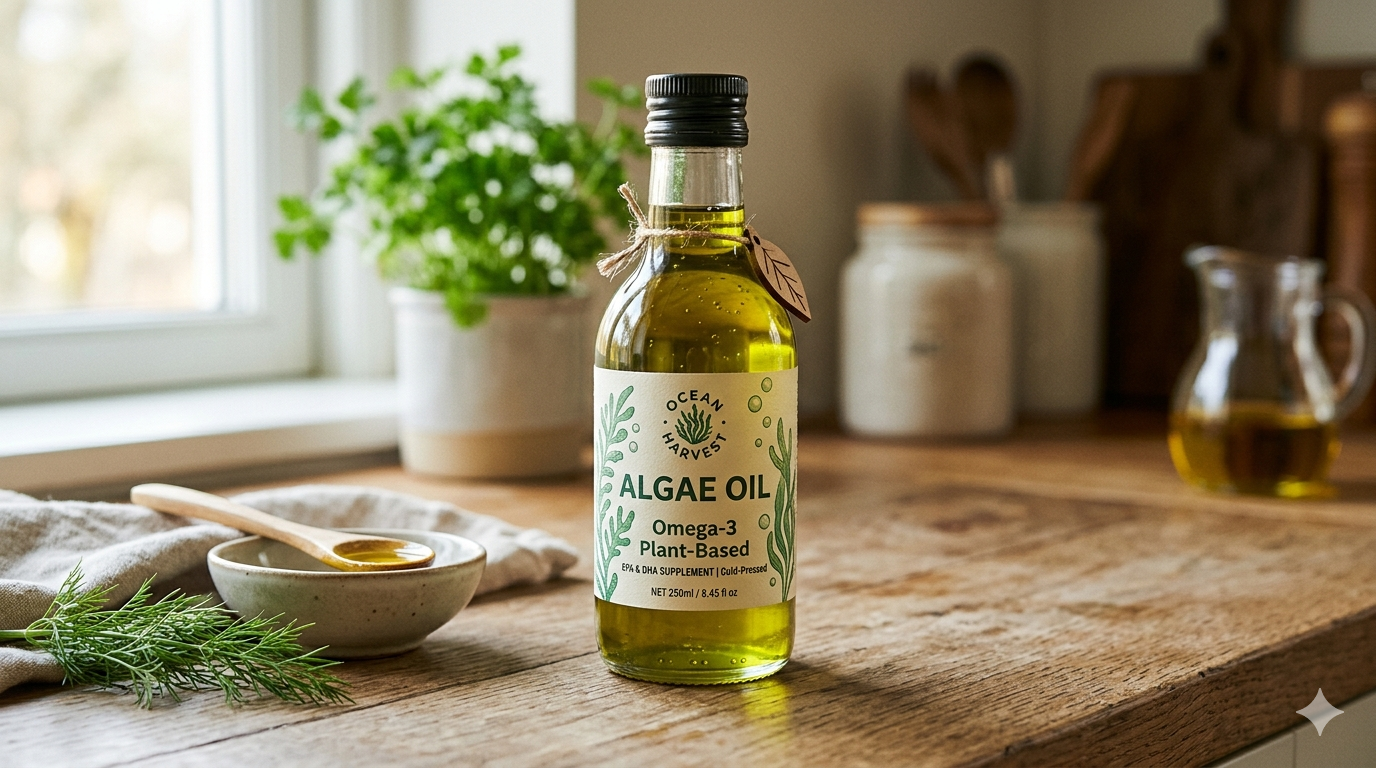
When you think of cooking oils, options like olive, mustard, or sunflower oil probably come to mind. But there is a new contender quietly making its way into the health and nutrition space: algae cooking oil. The same algae you might associate with ponds or ocean water is now being used to create a clean, sustainable, and potentially healthier cooking oil. Algae oil is derived from microalgae, tiny plant-like organisms that grow in water. Unlike fish oil, which gets its omega-3 content from algae indirectly, this oil is extracted directly from the source.
Omega-3 polyunsaturated fatty acids (PUFAs) are linked to better cardiovascular health. Research in journal Nutrition, Metabolism and Cardiovascular Diseases indicates they can enhance blood circulation, reduce inflammation, and slow the buildup of arterial plaque. They may also contribute to lowering blood pressure, though the degree of benefit often depends on individual health factors. But is it just another trend, or does it actually offer real benefits?
What Exactly Is Algae Cooking Oil?
It is typically refined to produce a neutral-tasting cooking oil that can be used for everyday purposes like sauteing, frying, or even salad dressings. One of its biggest advantages is that it can be produced in controlled environments, making it more sustainable and less dependent on large-scale farming or fishing. The growing buzz around algae oil is driven by two major factors, health and sustainability. As more people look for heart-friendly oils and eco-conscious choices, algae oil checks both boxes. It offers beneficial fats while also reducing the environmental footprint associated with traditional oil production.
Also read: 6 Powerful Ways Omega-3 Fatty Acids Boost Your Heart Health
Rich In Healthy Fats
One of the standout features of algae cooking oil is its high content of monounsaturated fats, the kind known to support heart health. Some varieties are also rich in omega-3 fatty acids, which are essential for brain function and reducing inflammation. These fats are usually found in fatty fish, but algae provides a plant-based alternative. This makes algae oil especially appealing for vegetarians and vegans looking to boost their omega-3 intake.
High Smoke Point, Better For Cooking
Not all oils are suitable for high-heat cooking, but algae oil performs well in this area. It has a high smoke point, which means it remains stable at higher temperatures without breaking down into harmful compounds. This makes it a good option for frying or roasting, where heat stability matters.
Low In Saturated Fat
Compared to many traditional cooking oils, algae oil tends to be lower in saturated fat. Diets lower in saturated fat are often linked to better heart health and reduced risk of cardiovascular diseases. This makes it a smart swap for those trying to make healthier choices in the kitchen without compromising on functionality.
A More Sustainable Choice
Beyond personal health, algae oil stands out for its environmental benefits. Algae can be grown using less land and water compared to crops like palm or soybean. It also does not contribute to deforestation, a major concern with some widely used oils. Because it is produced in controlled settings, it offers a more consistent and scalable solution for the future of food production.
Also read: Here's Why You Must Add Soy To Your Daily Diet
Are There Any Downsides?
While algae oil has many benefits, it is still relatively new in the consumer market.
- It can be more expensive than conventional oils
- Availability may be limited in some regions
- Long-term research on its health effects is still evolving
That said, early findings and nutritional profiles are promising.
How Can You Use It?
Algae oil is versatile and easy to incorporate into your routine. You can use it for:
- Stir-frying vegetables
- Cooking curries
- Baking or roasting
- Making salad dressings
Its neutral taste means it will not overpower your dishes, making it suitable for a wide range of cuisines. Algae cooking oil may sound unusual, but it brings together the best of both worlds: health benefits and sustainability. With its heart-friendly fats, high smoke point, and eco-conscious production, it is more than just a passing trend. While it may not replace your current cooking oil overnight, it is certainly worth considering as part of a balanced and forward-thinking diet. Because sometimes, the future of food does not come from farms or fields, but from something as simple as algae.
Disclaimer: This content, including advice, provides generic information only. It is in no way a substitute for a qualified medical opinion. Always consult a specialist or your own doctor for more information. NDTV does not claim responsibility for this information.