

)
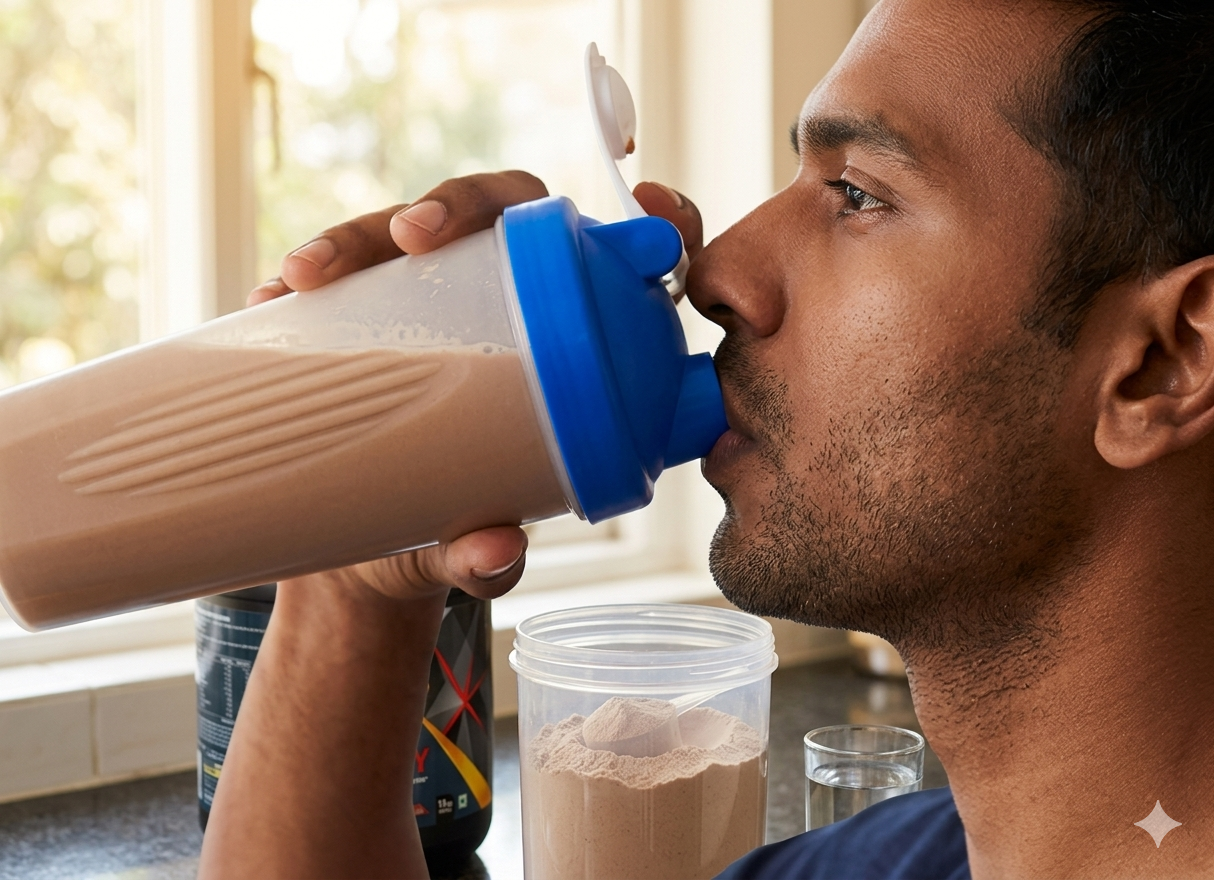
Walk into any gym or scroll through fitness social media, and you'll likely come across one recurring message: eat more protein to build muscle. From protein shakes to high-protein snacks, the nutrient has become synonymous with muscle growth. But is simply increasing your protein intake enough to gain muscle? According to experts, the answer is no. While protein is essential for muscle repair and recovery, it cannot build muscle on its own without the right stimulus strength training. Protein provides the building blocks your muscles need to repair themselves after exercise. However, muscles don't simply grow because you eat more protein.
Why Protein Alone Isn't Enough
According to Dr. Nishant Raizada, Head of Endocrinology and Diabetes, Amrita Hospital, Faridabad, muscle growth requires both resistance training and adequate nutrition. "Protein is the raw material for muscle repair, but it is not the trigger for muscle growth. Muscle hypertrophy can only occur with progressive resistance training combined with adequate protein intake. Strength training causes microscopic distress in muscle fibres, triggering pathways such as mTOR, the body's main regulator of muscle protein synthesis. Protein provides the amino acids, especially leucine, needed to repair and strengthen those fibres," he says. In other words, exercise tells your muscles to grow, while protein supplies the materials needed for that process.
Also read: Nutritionist Shares Easy Protein-Rich Foods You Can Add To Your Daily Diet For Better Health
What Happens If You Eat More Protein Without Working Out?
You may assume that consuming large amounts of protein automatically leads to bigger muscles. However, experts say the body only uses the protein it needs for muscle repair and other essential functions. "The International Society of Sports Nutrition recommends an intake of approximately 1.4 to 2.0 grams of protein per kilogram of body weight per day for individuals who engage in regular resistance training. But if you eat more protein than your body needs and you don't work out, it won't turn into extra muscle. Excess amino acids are used for energy or stored rather than converted into muscle tissue," explains Dr. Raizada. Simply drinking protein shakes without exercising is therefore unlikely to increase muscle mass.
Why Strength Training Matters
Muscle growth begins when muscles are challenged beyond their usual workload. Activities such as:
- Weight lifting
- Resistance band exercises
- Bodyweight training
- Progressive overload workouts
create tiny tears in muscle fibres. During recovery, the body repairs these fibres, making them stronger and slightly larger than before. Without this training stimulus, muscles have no reason to grow, regardless of protein intake.
Don't Forget Carbohydrates
While protein gets most of the attention, carbohydrates also play a crucial role in muscle building. Dr. Raizada says carbohydrates replenish muscle glycogen, improve workout performance and help reduce muscle protein breakdown during exercise. Eating adequate carbohydrates alongside protein allows you to train harder, recover faster and maintain muscle-building intensity over time.
What Does Research Say?
Scientific evidence consistently shows that combining protein intake with resistance exercise produces the best results. Studies published in the Journal of the International Society of Sports Nutrition have found that people who perform regular strength training while consuming adequate protein gain significantly more lean muscle than those who simply increase protein intake without exercise.
Also read: What Happens To Your Body When You Eat Protein Bars Regularly?
Other Factors That Influence Muscle Growth
Building muscle involves much more than protein alone. Experts recommend focusing on:
- Progressive strength training
- Adequate daily protein intake
- Sufficient calories
- Healthy carbohydrates and fats
- Seven to nine hours of quality sleep
- Rest and recovery between workouts
- Long-term consistency
Skipping recovery or eating too little can also limit muscle growth, even if protein intake is high. Protein is essential for repairing and building muscle, but it cannot do the job alone. Resistance training provides the stimulus that tells muscles to grow, while carbohydrates, adequate calories, sleep and recovery all support the process. Experts emphasise that sustainable muscle gain comes from a balanced approach rather than relying on protein supplements or high-protein diets alone.
Disclaimer: This content including advice provides generic information only. It is in no way a substitute for a qualified medical opinion. Always consult a specialist or your own doctor for more information. NDTV does not claim responsibility for this information.