

)
Most people reach for a protein bars when their energy levels dip and the next meal is hours away. It is easy to feel reassured by bold labels declaring "20g Protein!" or "Low Carbs!" However, wellness is a science of fine margins. While protein is essential for muscle repair, cellular function, and satiety, obtaining it from highly processed, shelf-stable bars is vastly different from eating whole foods. When these packaged bars become a daily dietary fixture, the body undergoes several physiological shifts, some highly beneficial and others quite concerning. People need to understand the exact physiological effects of consuming protein bars on a regular basis.
What Happens To Your Body When You Eat Protein Bars Regularly
1. An Immediate Satiety Boost Occurs
Protein is highly effective at keeping hunger at bay. It suppresses ghrelin (the hunger hormone) while stimulating peptide YY (PYY) and GLP-1, which signal the brain that the stomach is satisfied. If a protein bar relies on high-quality, easily digestible protein like whey isolate or pea protein, it can successfully prevent midday cravings and stabilise appetite.
2. The Gut May Suffer Bloating And Gas
This is a side effect that is rarely highlighted on front-of-pack labelling. To keep calories low and flavours sweet, manufacturers rely heavily on sugar alcohols (such as sorbitol, mannitol, and maltitol) and synthetic prebiotic fibres (like chicory root or inulin).
Because these sugar alcohols are poorly absorbed in the small intestine, they travel directly to the colon, where they draw in water and undergo fermentation by gut bacteria.
According to research published in the Journal of Functional Foods, the daily ingestion of protein bars, particularly those with added highly fermentable fibres, significantly alters the digestive environment and can lead to elevated gas production and bloating. This is because compounds like sorbitol are poorly absorbed from the human gastrointestinal system and are instead broken down within the intestines by gut bacteria.
You should check the ingredient list for additives ending in "tol", which indicate the presence of these highly fermentable sugar alcohols.
3. High Sugar Intake May Go Unnoticed
Many protein bars are essentially candy bars in disguise. It is common for a single bar to pack up to 20 to 30 grams of sugar to mask the chalky taste of processed protein.
Regularly eating these high-sugar bars can lead to rapid blood sugar spikes followed by insulin crashes, leaving the body feeling more fatigued than before. Over time, a daily habit of consuming highly refined sugars raises the risk of systemic inflammation and insulin resistance.
4. Kidneys Adjust To The Filtration Load
There is a common misconception that high protein intake automatically damages healthy kidneys. However, the clinical data suggest a highly nuanced reality:
A comprehensive scientific review published in The Journal of the American Society of Nephrology (JASN) highlights that high dietary protein intake causes a surge in circulating amino acids, which increases the glomerular filtration rate (GFR) and triggers renal hyperfiltration. While this is a normal adaptive mechanism in healthy individuals, sustained hyperfiltration over a lifetime can cause structural kidney changes.
The JASN review warns that in individuals with mild, undiagnosed, or existing chronic kidney disease (CKD), a high protein intake can accelerate the decline of kidney function and worsen long-term renal health.
While active, healthy individuals can process the extra protein, relying heavily on processed, highly concentrated protein sources daily without adequate hydration is not medically ideal.
5. Unintentional Weight Gain Can Creep In
Because they are small, protein bars are often treated as light snacks. However, because they are structurally dense, many carry 300 to 400 calories per serving.
A randomised controlled trial published in the Journal of Functional Foods evaluated the impact of daily protein bar ingestion on healthy adults. The researchers found that daily consumption of these energy-dense bars (with or without added fibre) led to an unintentional increase in total daily energy intake and a measurable increase in body fat mass after just one week.
If a bar is eaten daily on top of normal meals, rather than as a structured meal replacement, an individual could easily add an extra 2,100 to 2,800 calories to their weekly total, leading to steady, unexplained weight gain.
How To Choose A Healthy Protein Bar
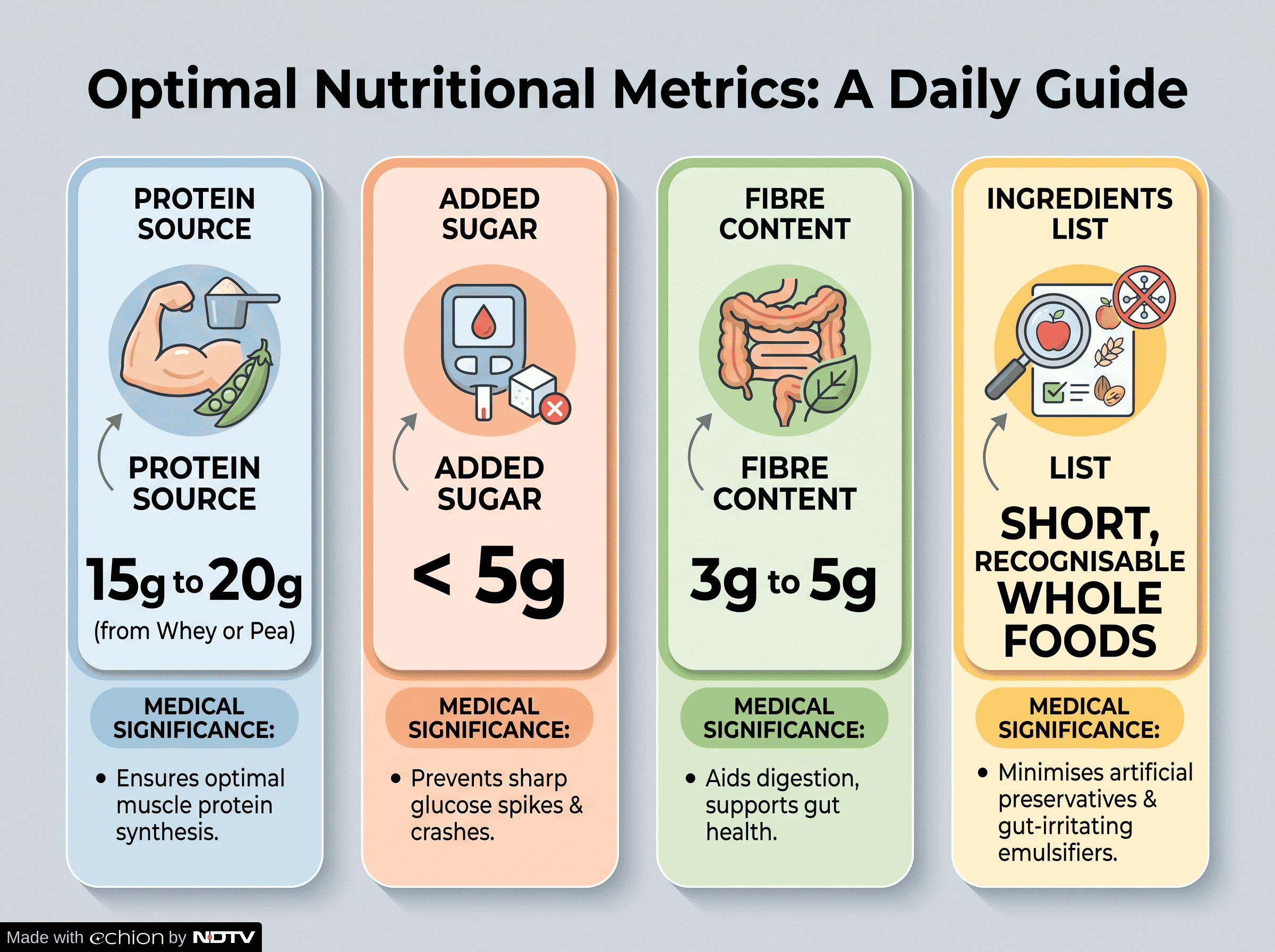
If giving up the convenience of a protein bar is not an option, becoming a smarter reader of nutrition labels is essential. The following metrics should be evaluated before purchasing:
Protein bars are tools of convenience, not a replacement for a balanced diet. For daily nutritional requirements, whole foods like eggs, paneer, sprouts, lean meats, or Greek yoghurt remain superior. Protein bars are best reserved for travel, emergencies, or those rare days when a whole-food meal is completely out of reach.
Disclaimer: This content including advice provides generic information only. It is in no way a substitute for a qualified medical opinion. Always consult a specialist or your own doctor for more information. NDTV does not claim responsibility for this information.