

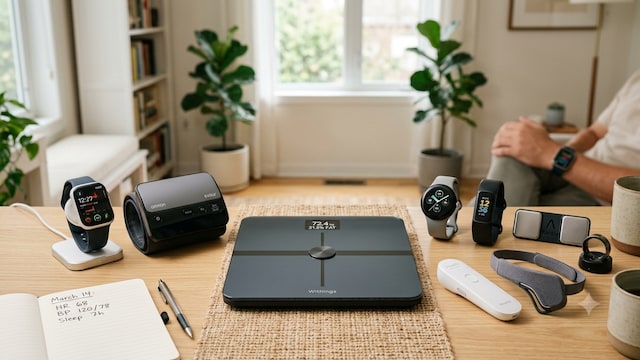
Choosing a gift for parents above 50 often means looking beyond convenience and thinking about their health and well-being. A blood pressure monitor, smartwatch or fitness tracker may seem like a thoughtful way to help them stay informed about their health. However, the most expensive device or one with the most features is not necessarily the best choice. A health gadget can help track certain measurements, identify changes in daily activity and encourage healthier habits. Some devices can also alert users to potentially concerning patterns in heart rate or other monitored indicators. However, their usefulness depends on the accuracy of the measurements, the person's health needs and their ability to use the device correctly. According to Dr Vivek Tandon, Director and Head, Cardiology, ShardaCare - Healthcity, choosing a health gadget requires particular attention to clinical validation and suitability. An unreliable device can cause unnecessary anxiety or provide false reassurance, especially for people living with hypertension or heart disease.
Vishal Nigam, Founder and CEO of WTF (Witness The Fitness), also emphasises the importance of simplicity, comfort and ongoing support when selecting a health gadget for older adults. Here are seven things to check before buying a health gadget for your parents.
1. Check Whether The Device Is Medically Reliable
Accuracy should be a priority when purchasing a device intended to monitor health indicators such as blood pressure, oxygen saturation or heart rhythm. Dr Tandon advises checking whether the device has appropriate regulatory clearance or certification and evidence of clinical validation for its intended use. Marketing claims alone are not enough to establish that a gadget produces reliable measurements. For example, if your parent has hypertension, a validated automatic upper-arm blood pressure monitor is generally preferable to relying on smartwatch estimates. The cuff must also fit correctly, and measurements should be taken according to the manufacturer's instructions. Similarly, wearable devices that estimate oxygen saturation or record an electrocardiogram (ECG) have specific limitations. Their readings should not automatically be treated as a diagnosis. Nigam also stresses that accuracy is non-negotiable, particularly when a device is intended to inform health-related decisions. Before purchasing, check the following:
- Whether the device has been validated for the measurement it claims to provide.
- Whether relevant regulatory requirements have been met.
- Whether the product is suitable for your parent's specific health needs.
- Whether the manufacturer clearly explains the device's limitations.
2. Choose A Gadget That Is Easy To Use Independently
A health gadget is useful only if your parents can operate it comfortably and consistently. Complicated settings, small buttons and lengthy app configurations can make even a sophisticated device difficult to use. Nigam recommends prioritising large displays, readable text, simple controls and minimal setup. A device that can be operated independently is more likely to become part of a person's daily routine. Dr Tandon similarly highlights the importance of clear displays, straightforward instructions and accessible controls. Before buying, consider whether your parent can read the screen without straining, understand the instructions and access the information without repeatedly seeking assistance.
Smartphone compatibility is another important consideration. Some devices require a particular operating system, an internet connection or a companion app to access their full functionality. If your parent is uncomfortable using smartphone applications, a straightforward digital blood pressure monitor may be more useful than a feature-rich wearable that requires frequent interaction with an app.
3. Focus On Health Needs Rather Than The Number Of Features
The right health gadget depends on what your parents need to monitor. A person with hypertension may benefit more from a reliable blood pressure monitor than from a smartwatch primarily designed to track steps. Dr Tandon recommends matching the device to the individual's health requirements. People with known heart conditions or heart rhythm disorders should discuss the suitability and limitations of wearable monitoring devices with their doctor. Different devices serve different purposes:
- Blood pressure monitor: Helps people track blood pressure at home when recommended by their healthcare professional.
- Pulse oximeter: Measures peripheral oxygen saturation and pulse rate, although readings can be affected by several factors.
- Smartwatch or fitness tracker: Can help monitor activity, exercise patterns and heart-rate trends.
- Sleep tracker: Estimates sleep patterns and may help identify trends, but it does not replace medical assessment of sleep disorders.
- ECG-enabled wearable: Records a limited electrocardiogram in supported devices and may help identify certain rhythm abnormalities. It cannot detect every heart condition.
Nigam suggests looking beyond step counts and considering features such as heart-rate trends, sleep estimates and weekly summaries that can be shared with a healthcare professional.
4. Evaluate Emergency Alerts And Their Limitations
Some smartwatches and wearable devices offer features such as fall detection, emergency calling or notifications about certain irregular heart rhythms. These functions may be particularly useful for parents who live alone or have a relevant medical history. However, the availability and performance of such features vary by device, region and subscription plan. Nigam identifies emergency features as an important consideration when choosing a wearable for older adults, especially those with a history of cardiac problems. Before paying extra for these functions, check whether the device supports emergency contacts, whether it requires a connected smartphone and whether alerts can be sent reliably when the user is away from home.
It is equally important to understand what the device cannot do. A smartwatch cannot rule out a heart attack, and an absence of alerts does not mean that a person is free from cardiovascular disease. New chest pain, severe breathlessness, fainting or other concerning symptoms require appropriate medical attention, even if a wearable reports normal readings.
5. Prioritise Comfort, Fit And Battery Life
A device that is uncomfortable to wear or difficult to charge may end up unused. Nigam recommends looking for lightweight designs, skin-friendly materials and adjustable straps. Comfort is especially important for devices intended to be worn throughout the day or during sleep. The fit also affects measurement quality. A blood pressure cuff that is too small or too large can produce inaccurate readings, while a wearable that does not sit correctly may struggle to collect reliable measurements. Battery life matters, too. Consider how frequently the device needs charging, how easy it is to connect to its charger and whether your parent can manage the process independently. For a parent who dislikes wearing a watch, a traditional blood pressure monitor may be a more practical purchase than a continuous wearable. The best device is not necessarily the one with the most sophisticated design. It is the one your parent will use consistently and correctly.
6. Check The Total Cost, Warranty And After-Sales Support
The initial purchase price is only one part of the cost of owning a health gadget. Some devices require paid subscriptions for detailed reports, cloud storage or additional monitoring features. Nigam recommends checking battery life, charging requirements and recurring app costs before making a purchase. A seemingly affordable device may become expensive if essential features require ongoing payments. After-sales support is equally important. Before buying, check the warranty, availability of replacement parts, repair options and customer support in India. If the device relies on an app, make sure the app is compatible with your parent's smartphone and is likely to remain supported. For older adults who may need help troubleshooting technical problems, accessible customer service can make a significant difference to whether the gadget remains useful over time.
7. Understand Data Privacy And Help Your Parents Interpret The Readings
Health gadgets may collect sensitive information, including heart-rate trends, sleep patterns, activity levels and other personal health data. Before purchasing, review the manufacturer's privacy policy and understand how the information is stored, processed and shared. Check the permissions requested by the accompanying app and whether health data can be shared with third parties.
Dr Tandon emphasises that gadgets should support informed healthcare decisions rather than encourage self-diagnosis or medication changes without medical advice. Once the device has been purchased, take time to help your parents set it up, understand its measurements and learn when professional advice is needed. For example, a blood pressure monitor can help someone record readings over time, but an isolated high reading should be interpreted in context and repeated according to medical guidance. Persistently elevated readings should be discussed with a healthcare professional.
Likewise, a fitness tracker may show changes in heart rate or sleep patterns, but these estimates cannot establish a diagnosis on their own. As Nigam puts it, "A gadget monitors health, it doesn't own it. The real gift is helping your parents build a health baseline: measure, track, and act on it with the right support." A health gadget can be a thoughtful gift for parents above 50 when it meets a genuine need and is easy to use. A validated blood pressure monitor may be useful for someone managing hypertension, while a fitness tracker may encourage another person to become more active. Before buying, prioritise accuracy, ease of use, relevant health features, emergency functions, comfort, long-term costs and data privacy. Most importantly, help your parents understand the device's limitations and use its readings appropriately.
A health gadget should complement regular medical check-ups, not replace them. The most valuable gift is one that supports healthier habits, informed conversations with doctors and greater confidence in managing everyday health.
Disclaimer: This content including advice provides generic information only. It is in no way a substitute for a qualified medical opinion. Always consult a specialist or your own doctor for more information. NDTV does not claim responsibility for this information.