

)
If you notice that you've gained weight without any significant changes to your diet or lifestyle, it may not be actual weight gain. Bloating can often create the appearance of weight gain, particularly around the abdomen. This common issue can be mistaken for weight gain due to the physical appearance and sensations it causes in the stomach area. Visible swelling or stretching of your abdomen is a common sign of bloating. While both bloating and actual weight gain can lead to an increase in waist size and a feeling of fullness, they have different underlying causes and implications.
Are you bloated, or have you gained weight?
1. Check your weight
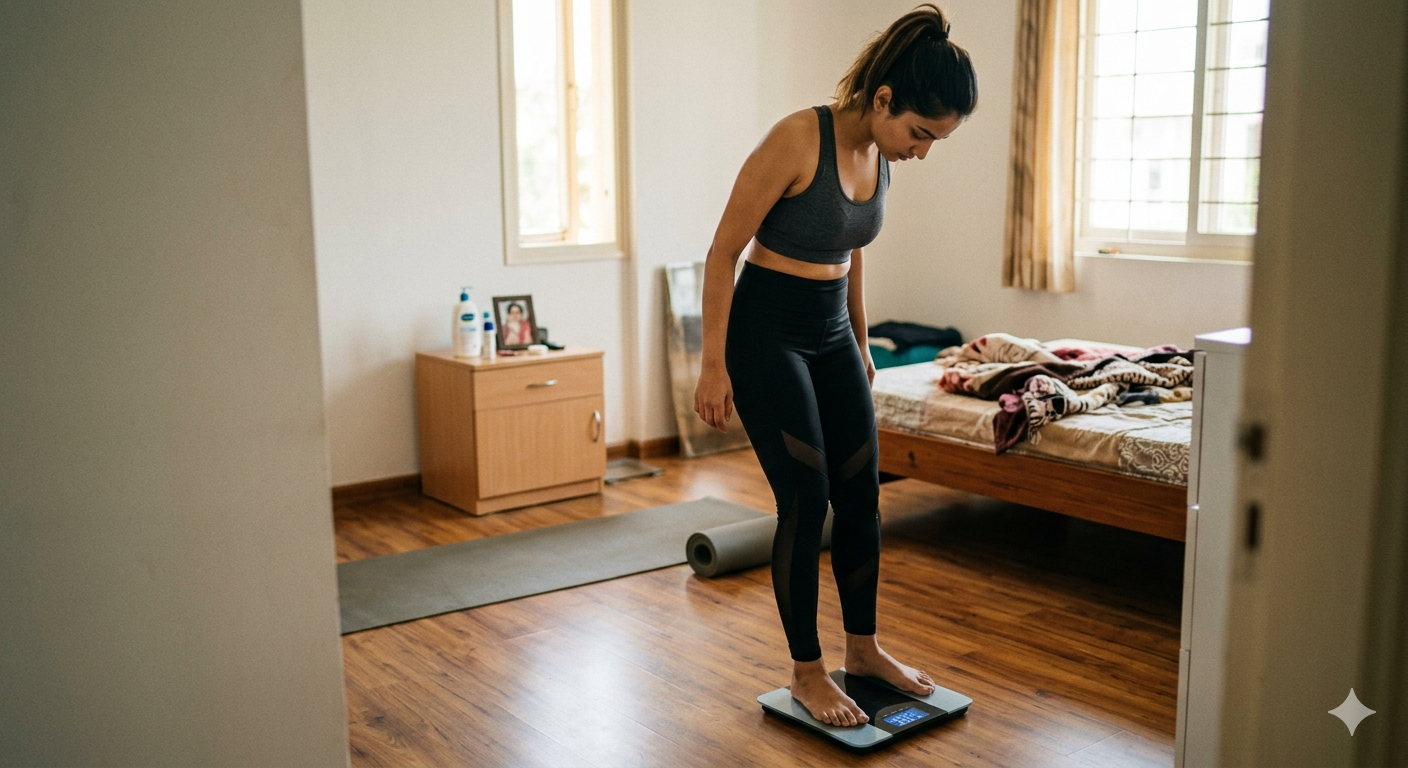
Use a scale to monitor any changes in your weight. If you consistently notice a higher weight over several days or weeks, it may indicate actual weight gain.
2. Consider abdominal measurements
For bloating, measuring your abdomen can be more informative. Bloating can affect how your clothes fit during the day. If your waist appears larger at specific times but returns to normal later on, it is likely bloating.
3. Time of the day
If you are bloated, your stomach may be flat in the morning and swell significantly after meals. This can be a normal cycle of bloating rather than weight gain. On the other hand, true fat or muscle gain happens slowly over weeks or months and remains constant throughout the day.
4. Other symptoms
Bloating may come with discomfort, gas, or a feeling of fullness, while weight gain typically doesn't present these symptoms.
5. Diet and lifestyle
Reflect on recent food and drink intake. High sodium, carbonated beverages, or certain foods can contribute to bloating. If you've made significant dietary changes or consumed a large meal, it could lead to temporary bloating.
6. Body composition
Consider how your clothes fit. If they feel tighter, but you still have a consistent weight, it may be bloating. If your body shape has changed significantly, it may indicate weight gain.
7. Hydration levels
Fluctuations in water retention can cause temporary weight changes. If you've been drinking less or more water than usual, it might affect bloating.
Common triggers
What causes bloating?
Bloating can often be attributed to various dietary habits that disrupt normal digestion. For instance, eating too quickly can lead to swallowing excess air, which contributes to a feeling of fullness and discomfort. Additionally, the consumption of carbonated beverages introduces carbon dioxide into the digestive system, further exacerbating bloating. High-fibre foods, while generally healthy, may sometimes overwhelm the digestive tract, especially for those who are not accustomed to a fibre-rich diet, leading to gas and a bloated sensation.
Furthermore, certain digestive issues can play a significant role in causing bloating. Conditions such as Irritable Bowel Syndrome (IBS) can lead to irregular bowel movements and abdominal discomfort. Additionally, food intolerances such as lactose intolerance or gluten sensitivity can result in bloating as the body struggles to process these substances. Constipation is another common culprit, as built-up waste can create pressure and a feeling of fullness in the abdomen.
Hormonal shifts also contribute to bloating, particularly in women. Many experience fluid retention during various points of their menstrual cycle, leading to an uncomfortable sensation of fullness and swelling in the abdominal area.
What causes weight gain?
Weight gain primarily results from a caloric imbalance where an individual consistently consumes more calories than their body expends. Over time, this excess energy is stored as fat, leading to weight accumulation. It is important to recognise that lifestyle factors, such as a sedentary routine or poor dietary choices, heavily influence this imbalance.
In addition to lifestyle factors, certain medical conditions can contribute to unexplained weight gain. For instance, an underactive thyroid (hypothyroidism) slows down metabolism, which can cause an individual to gain weight even with normal eating habits. Polycystic Ovary Syndrome (PCOS) can also lead to weight gain due to hormonal imbalances that affect appetite and fat storage. Increases in cortisol, a stress hormone, can lead to cravings and fat accumulation, particularly around the abdomen.
Certain medications are another factor that can lead to weight gain. Some antidepressants, steroids, and methods of birth control are known to alter metabolism or influence appetite, resulting in increased weight for some individuals.
If bloating persists or is accompanied by severe discomfort, it's advisable to consult a healthcare professional to rule out any underlying conditions. Understanding the difference between bloating and actual weight gain can help you take appropriate steps to manage your body effectively.
Disclaimer: This content including advice provides generic information only. It is in no way a substitute for a qualified medical opinion. Always consult a specialist or your own doctor for more information. NDTV does not claim responsibility for this information.