

)
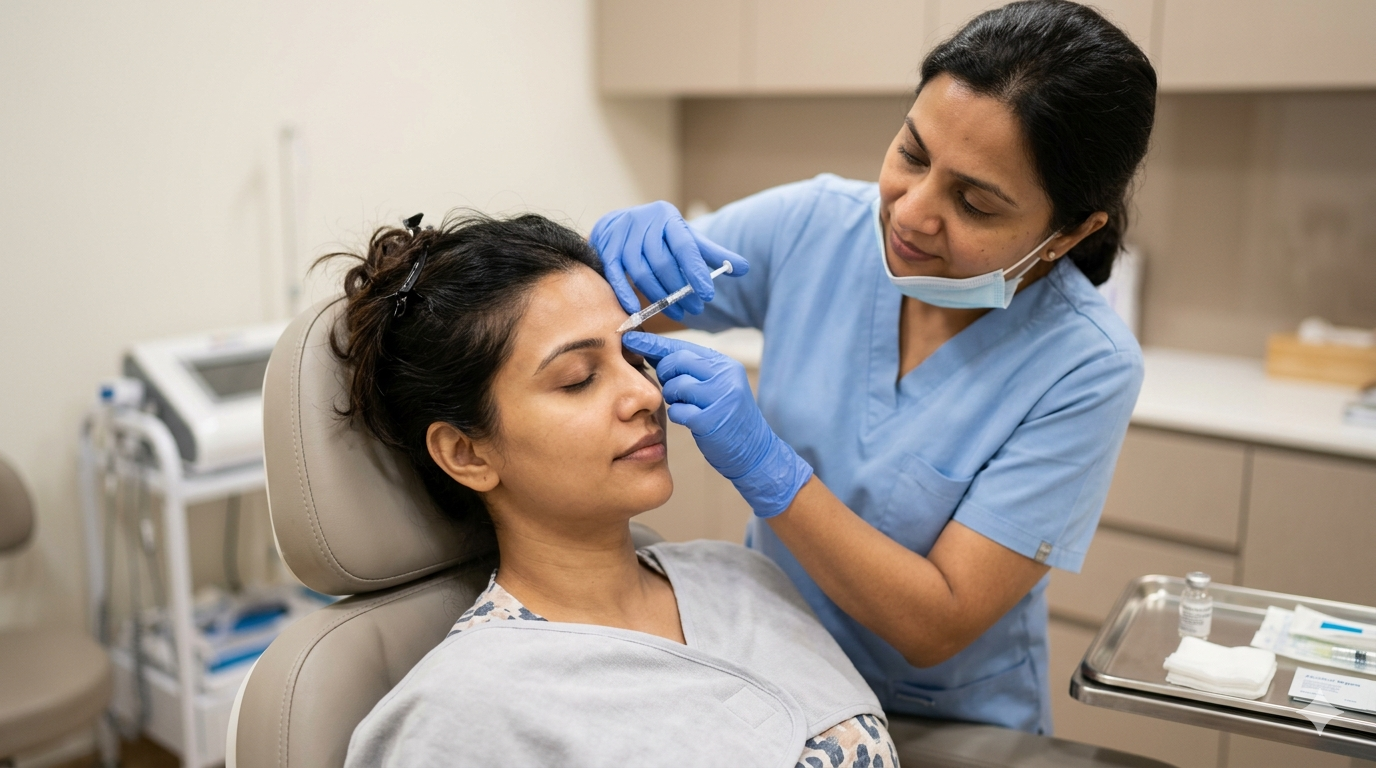
New reports from dermatology experts highlight a rare but serious immune reaction that can occur after cosmetic Botox injections. Botulinum toxin type A is widely regarded as safe for reducing wrinkles and smoothing facial lines. However, a recent case has shown that, in very uncommon instances, the body can have an unexpected systemic immune response. This reaction, known as serum sickness, can appear days after the procedure and may be mistaken for a viral illness.
Understanding this rare complication is important for both patients and clinicians. It does not mean that Botox is unsafe for most people, but it does suggest that certain formulation ingredients and individual immune differences may play a significant role. By recognising the warning signs and knowing how clinicians diagnose and manage such reactions, patients can make better choices about cosmetic treatments and seek care if unusual symptoms develop.
What Is Serum Sickness After Botox?
Serum sickness is an immune reaction that happens when the body's defense system forms complexes between certain proteins (antigens) and antibodies. These then circulate and trigger inflammation in different parts of the body. In a newly reported case, a 46-year-old woman developed this reaction after receiving cosmetic onabotulinumtoxin-A (a type of Botox). About nine days after injection, she developed hives (urticaria) at the injection sites. Two days later, she had fever, joint pain in multiple joints, and swelling in the abdomen, which led her to seek medical care.
At first, doctors suspected a viral infection, because symptoms like fever and joint pain can look similar. However, tests and careful follow-up pointed to serum sickness linked to the Botox formulation. The woman had previously received both dermal fillers and neurotoxins in the United States and Canada without similar problems. This suggests that this was a delayed complication rather than an immediate allergy.
How The Immune System Reacts?
The case report explains that this kind of reaction fits into a category called a "Type III hypersensitivity reaction," according to the older Gell and Coombs classification of immune responses. In Type III reactions, immune complexes form when antibodies bind to foreign proteins. These complexes then deposit in small blood vessels and tissues, causing inflammation. This can lead to skin rashes, joint pain, fever, and sometimes involvement of the kidneys or other organs if the reaction is more severe. Serum-sickness-like reaction after Botox falls into the Type III group, meaning it is a more complex and systemic immune response rather than a simple local allergy.
Why Does The Botox Formulation Might Matter?
The case emphasises that the ingredients in Botox preparations, beyond the botulinum toxin itself, may lead to immune reactions. Some brands of botulinum toxin type A contain complexing proteins and stabilisers. These proteins can act as antigens, especially in people whose immune systems are more prone to reacting to such foreign substances. In this case, allergologic testing suggested that albumin in the onabotulinumtoxin-A formulation was likely the antigen responsible for the serum sickness.
What Does This Mean For Patients?
For patients, this case does not mean that Botox should be avoided altogether. Millions of cosmetic Botox injections are performed every year with high safety. However, this highlights the importance of paying attention to any unusual symptoms that appear several days after treatment, especially if they include fever, joint pain, rash, or swelling beyond the usual mild soreness or bruising.
Tips For Cosmetic Botox Users
If you are considering or have recently had Botox, there are a few simple steps you can take.
Choose a licensed, experienced provider who reviews your medical history and any prior reactions to cosmetic treatments.
Ask about the specific brand and formulation being used, especially if you have had unusual reactions after previous injections.
Monitor your body closely in the days after treatment and contact your doctor promptly if you notice fever, widespread rash, joint pain, or unusual swelling.
Disclaimer: This content including advice provides generic information only. It is in no way a substitute for a qualified medical opinion. Always consult a specialist or your own doctor for more information. NDTV does not claim responsibility for this information.