

)
Beauty procedures, even surgical ones, are no longer that difficult to access, even in India. Not only have these procedures become more easily available with Indian cosmetologists, but also become more affordable. Among these, botox and dermal fillers are among the most talked-about aesthetic procedures globally. Yet, confusion persists about what they actually do, and whether they are interchangeable. According to the American Society of Plastic Surgeons, botulinum toxin injections and soft-tissue fillers consistently rank among the most performed minimally invasive cosmetic procedures worldwide.
However, medical experts emphasise that these treatments serve different purposes. While social media trends often blur the distinction, understanding the science behind each procedure is crucial before considering them.
Dr Akanksha Agarwal, Founder-Director & Head of Aesthetic Services at Centre for Aesthetics, CFA, Gurgaon, says patients frequently arrive unsure of what they actually need. "Botox and fillers are probably the two most commonly requested aesthetic treatments today. Almost every day, someone walks into the clinic asking for one of them," she explains. "And very often, they are not sure which one they actually need. Many people assume they do the same thing. They don't."
Botox: Relaxing Muscles To Soften Dynamic Wrinkles
Botox is a purified form of botulinum toxin type A. According to the U.S. Food and Drug Administration, botulinum toxin injections are approved for cosmetic use to temporarily improve the appearance of moderate to severe frown lines, crow's feet and forehead lines in adults.
"The biggest difference is this: Botox relaxes muscles. Fillers restore volume," explains Dr Agarwal. Botox works by temporarily blocking nerve signals to specific muscles. When injected into targeted facial muscles, it reduces their movement. "Botox is used mainly for fine lines and wrinkles that appear because of facial movement, which are called dynamic lines. When you give expressions while talking like frown, smile or brow lifting, certain muscles contract repeatedly. Over time, those repeated expressions create lines," she says.
By relaxing those muscles, the overlying skin appears smoother. "It does not fill anything. It does not change your face shape. It simply softens expression lines," Dr Agarwal adds.
The procedure typically takes only a few minutes. Results usually begin to show within two weeks and last approximately three to six months. The UK's National Health Service (NHS) notes that effects are temporary and repeat treatments are needed to maintain results. Botox is also used medically for migraines, muscle spasticity and excessive sweating, underscoring that it is a regulated medical treatment, not just a cosmetic trend.
Also Read: Can Botox Reduce Acne Pigmentation? New Study Offers Hope
Dermal Fillers: Restoring Volume And Facial Structure
Unlike Botox, fillers do not affect muscle movement. Instead, they address volume loss that naturally occurs with ageing. "As we age, the face doesn't just develop lines, it also loses structure. Cheeks become flatter, under-eyes look hollow, smile lines deepen, lips thin out. This happens because collagen reduces, fat pads shift, and bone support gradually changes," says Dr Agarwal.
Most commonly used fillers are made of hyaluronic acid, a substance naturally present in the body that retains moisture. The American Academy of Dermatology explains that hyaluronic acid fillers can temporarily restore fullness, soften folds and enhance facial contours.
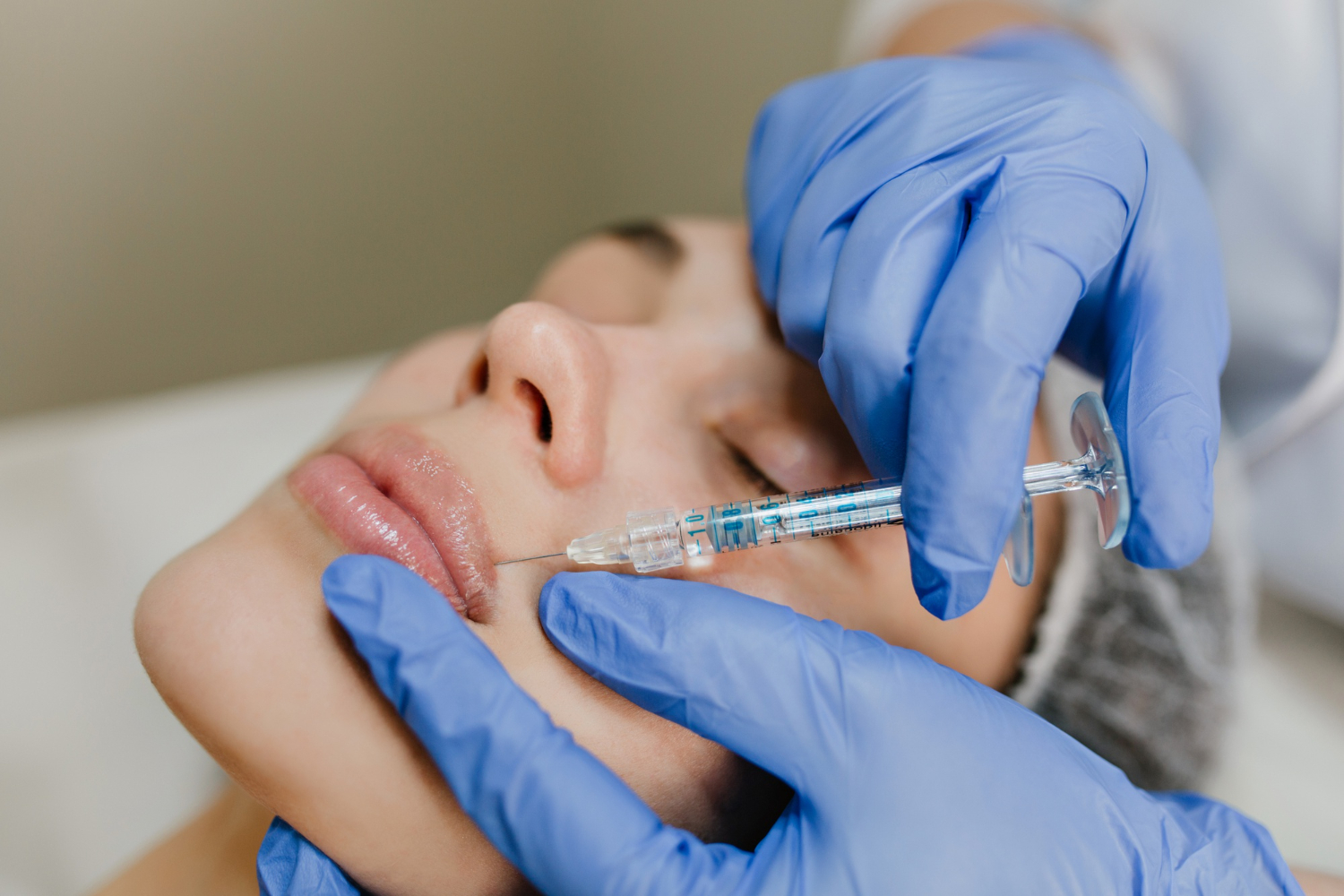
"Fillers are injected beneath the skin and sometimes on top of bone to replace lost support. They are gel-like substances that add volume and hydration," Dr Agarwal explains. "Unlike Botox, results from fillers are visible immediately."
Depending on the product and area treated, results can last from six months to over a year. However, as per the U.S. Food and Drug Administration, fillers carry potential risks including swelling, bruising, infection, allergic reactions and in rare cases, vascular complications. Proper training and sterile technique are critical.
Cost In India: What To Know
Cost is often a major consideration. "In India, Botox is usually priced per unit or per area. On average, it may range from INR 400 to 600 per unit depending on the brand and expertise of the doctor," says Dr Agarwal. "Fillers are priced per millilitre, starting roughly around INR 20,000 to 35,000 per ml depending on the brand and treatment plan."
She emphasises caution regarding low-cost deals: "Pricing reflects product quality and medical expertise. This is not an area where shortcuts are advisable." Medical authorities globally stress that injectable procedures should only be performed by trained professionals in appropriate clinical settings to minimise complications.
Who Should Consider What?
"If your concern is forehead lines, frown lines or crow's feet that become prominent when you express, Botox is typically the solution. If your concern is sagging, hollowing, thinning lips or facial contour changes, fillers are more appropriate," says Dr Agarwal. However, she adds that not everyone is a candidate. "Pregnant or breastfeeding women should avoid these procedures. Anyone with active infections, certain neurological conditions, or unrealistic expectations should be carefully evaluated before proceeding."
The National Institutes of Health notes that while minimally invasive cosmetic procedures are generally safe when properly administered, patient selection and medical history assessment are crucial.
Importantly, aesthetic procedures are elective. Cosmetic interventions are a personal choice, and informed decisions about the same should be medically guided, not trend-driven.
Also Read: Hair Botox In India: Safety, Efficacy, And Who Should (Or Should Not) Use It
Enhancement, Not Transformation
Dr Agarwal concludes: "Botox and fillers are tools. They are not interchangeable, and they are not magic. The right choice depends on understanding your face, your concerns and your long-term goals. A detailed consultation matters far more than following trends."
Botox and dermal fillers are distinct medical treatments with different mechanisms and goals. Botox reduces muscle movement to soften dynamic wrinkles, while fillers restore lost volume and structure. Both are temporary and require maintenance.
As with any medical procedure, safety, realistic expectations and expert evaluation are key. Individuals considering aesthetic treatments should prioritise informed consultation over social media influence, ensuring that any decision aligns with personal comfort and medical guidance.
Disclaimer: This content including advice provides generic information only. It is in no way a substitute for a qualified medical opinion. Always consult a specialist or your own doctor for more information. NDTV does not claim responsibility for this information.