

)
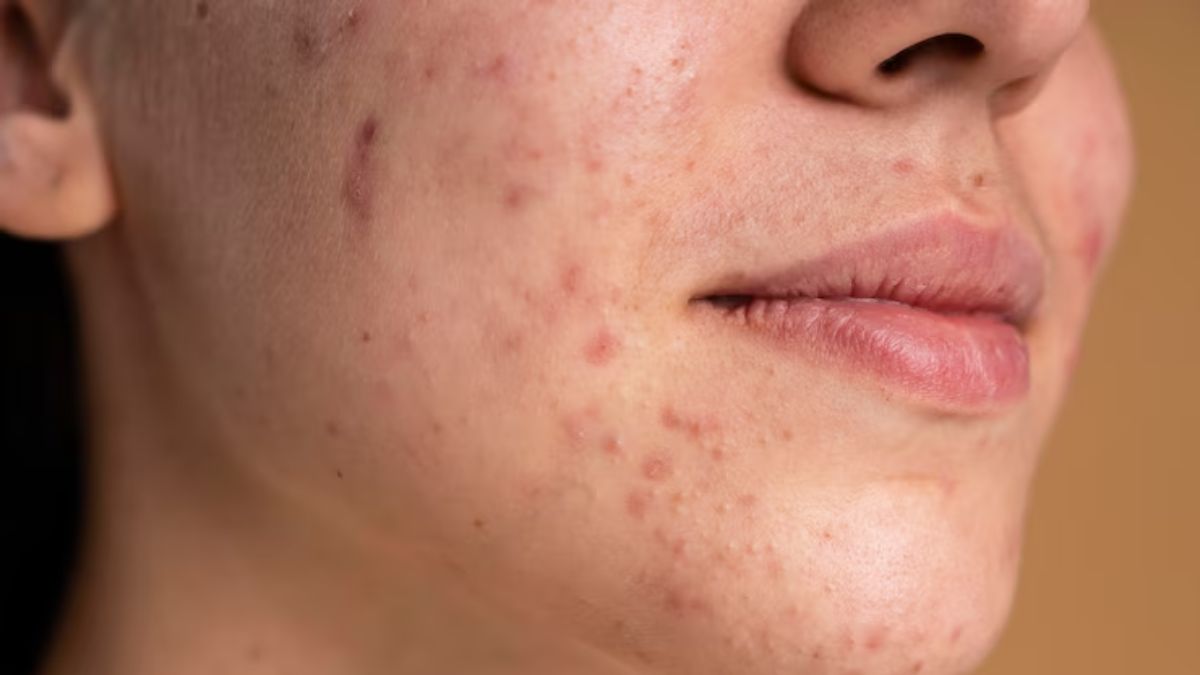
For millions of people, especially those battling acne in their late teens or adulthood, enduring the spots, reddish marks and discolouration left behind after pimples heal can often feel more frustrating than the acne itself. While chemical peels, lasers and topical agents remain the mainstay of post-acne care, a recent 2025 clinical trial has cast the spotlight on a surprising contender: Botox. Once known chiefly for erasing wrinkles, intradermal injections of Botulinum toxin A are now being investigated for their ability to calm lingering post-acne redness and reduce skin oiliness. According to the study, a single session of BoNT-A outperformed broadband light (BBL) therapy over three months, with better reductions in redness and sebum production.
Given the high burden of acne and post-acne skin concerns among people, especially in humid climates and polluted cities, the idea that Botox could help improve complexion and pigmentation offers a promising new avenue. But how robust is the data? What exactly did the study find, and what remains uncertain? Here's everything you should know.
What The New Study Found: Botox Vs Broadband Light Therapy For Post-Acne Redness
The study, published in November 2025 in Frontiers in Medicine, enrolled 30 adults with post-acne erythema (persistent facial redness after acne). Each participant received intradermal BoNT-A on one cheek, while the other cheek underwent three broadband light (BBL) sessions. Researchers measured objective parameters including a* colour values (a metric for redness), erythema index, sebum secretion, trans-epidermal water loss and clinician-rated redness assessments over a three-month follow-up period.
Findings of the study indicate the following:
- By the first month, the BoNT-A treated cheeks showed significantly greater reductions in redness, sebum secretion and a* values compared with BBL-treated cheeks.
- Over the 2-3 month period, the sebum reduction persisted, and colour-metric improvements remained significantly better on the BoNT-A side.
- Both sides showed some improvement over baseline, but the Botox-treated side improved faster and more substantially.
- No serious adverse events were recorded, though pain during injections was higher, patient satisfaction remained comparable to BBL therapy.
These results suggest that BoNT-A may offer a viable, single-session option to reduce post-acne redness and oiliness, both major contributors to post-acne marks and pigmentation.
The Science: How Botox Might Influence Pigmentation And Oiliness
Why would BoNT-A, commonly known as Botox, a neurotoxin famous for relaxing muscles, affect acne pigmentation or redness? Researchers propose several mechanisms:
- Sebum production reduction: BoNT-A inhibits the release of acetylcholine at nerve endings. Sebaceous (oil) glands are partly regulated by cholinergic (acetylcholine-driven) signalling. Studies show that BoNT-A can suppress sebum production, thereby reducing oily skin, a key factor in acne flare-ups and prolonged redness.
- Lowering inflammation and vascular reactivity: By reducing glandular and perhaps vascular activity, intradermal BoNT-A may calm residual inflammation and redness, which over time could reduce chances of post-inflammatory hyperpigmentation (PIH).
- Pigmentation lightening effect: An older study measuring melanin index (using Mexameter) in patients who underwent standard BoNT-A injections found a statistically significant decrease in melanin index on the upper face.
- Improved skin texture and reduced pore size: A 2018 pilot on acne patients found BoNT-A improved skin moisturization, reduced porosity, and decreased pigmentation value by 9-10%.
A comprehensive 2024 review summarised that BoNT-A's action on sebaceous glands and its potential to modulate seborrhea, pore size, oiliness and acne make it a promising adjunct for acne management.
However, and this is critical, BoNT-A does not target all acne-pigment pathways. It does not kill acne-causing bacteria, nor does it directly act on melanin synthesis in a well-established way. Most evidence relates to oiliness, vascular activity, redness, or indirect pigmentation changes and not a guaranteed "pigment-removal" effect.
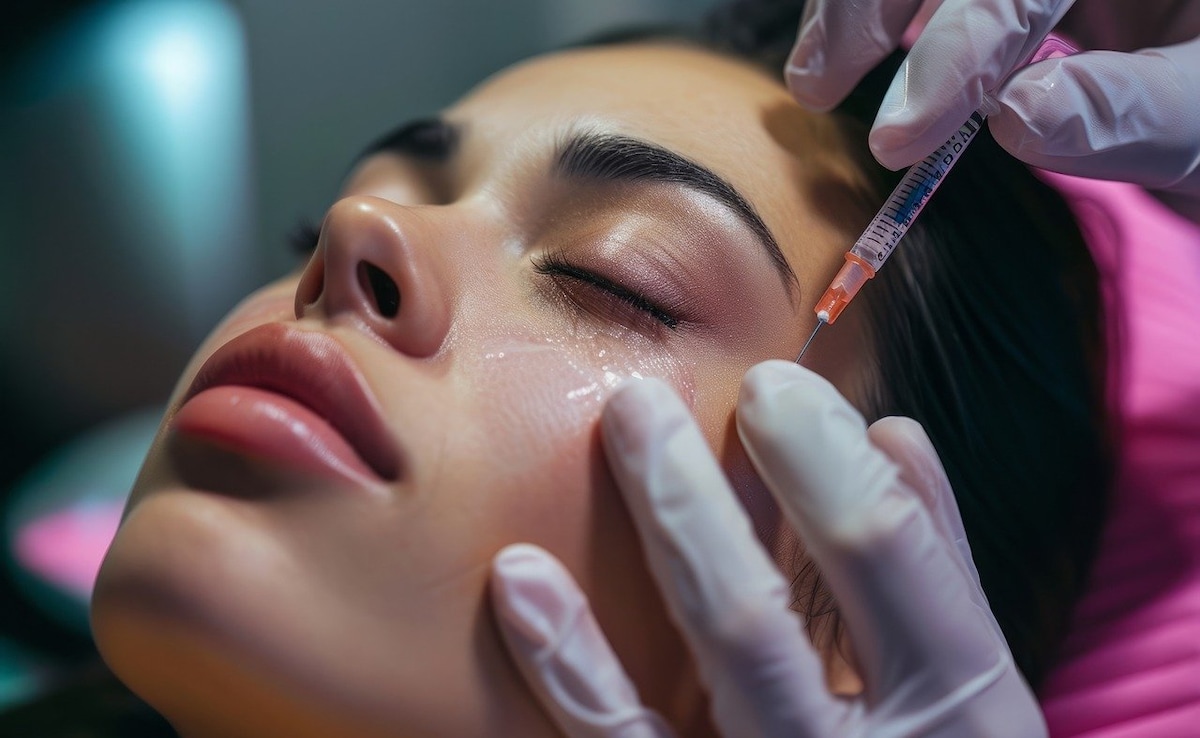
Photo Credit: Pixabay
Responsible And Safe Use Of Botox: Pros And Cautions
Potential benefits of Botox for acne care:
- Single-session convenience: A one-time BoNT-A injection may yield visible reduction in redness and oiliness within a month, potentially reducing the need for repeated laser or light therapies.
- Better for oily acne-prone skin: People with greasy, sebum-driven acne or persistent redness may benefit the most.
- Improved skin tone and texture: Reduced oil, calmer vascular response could result in a more even skin tone over time.
- Lower risk of pigmentation rebound: Compared with aggressive treatments, BoNT-A may reduce post-inflammatory triggers that worsen hyperpigmentation.
Caveats and limitations to keep in mind:
- Limited data so far: The 2025 trial involved only 30 participants, over three months, at a single centre.
- Not a pigmentation-specific treatment: BoNT-A primarily modulates sebum and redness, so its effect on true pigment (melanin) remains modest and indirect.
- Cost and access considerations: Multiple sessions might be needed; dermatology clinics offering intradermal BoNT-A may be limited or expensive.
- Safety and standardization: Though short-term safety seems acceptable per that trial, larger and longer studies are needed before widespread recommendation.
Botox Can Help, But It's Not A Magic Wand For Post-Acne Pigmentation
The new 2025 split-face randomized trial offers encouraging evidence that intradermal Botulinum toxin A can significantly reduce post-acne redness and sebum secretion more effectively and quickly than broadband light therapy. For individuals with oily skin, acne history or persistent redness, BoNT-A may offer a convenient, single-session cosmetic dermatology option.
However, the available evidence does not establish Botox as a definitive treatment for acne pigmentation or post-inflammatory hyperpigmentation. Its effects on melanin levels are modest and indirect; its safety and long-term efficacy remain under study.
For now, BoNT-A can be considered as part of a broader, multi-pronged post-acne regimen, alongside sun protection, topical pigment-modulators (like niacinamide or retinoids), moisturisers, and good skin hygiene. As more research accumulates, dermatologists may refine protocols to maximize its benefits, but it's unlikely to replace traditional therapies entirely. Until then, patients should approach Botox for acne pigmentation with realistic expectations of a promising adjunct, but not a guaranteed fix.
Disclaimer: This content including advice provides generic information only. It is in no way a substitute for a qualified medical opinion. Always consult a specialist or your doctor for more information. NDTV does not claim responsibility for this information.