


-

How Indians Are Training AI Robots To Take On Household Jobs In The Future
Artificial intelligence chatbots and image generators crunch reams of digital data, but building systems to navigate real-life environments is more challenging.
-
Trinamool Crisis - 'It's Either Abhishek Or Me': Key Aide's Ultimatum For Mamata Banerjee
Trinamool Crisis - 'It's Either Abhishek Or Me': Key Aide's Ultimatum For Mamata Banerjee
-
First Cracks In Trinamool 'Rebel' Camp? MP Says Not Signed Any Letter
Pratima Mandal said that she was approached by the rebel camp to join them, but she refused as she "did not like their plan"
-

Punjab Doctor Found Dead, Family Blames Husband's Affair, Assault
The woman had been living alone since July 2025 as she was fed up of her husband's physical assault, her family said.
-
Opinion: Courage Or Folly? Inside Rahul Gandhi's Big Madhya Pradesh Gamble
How the Congress chose confrontation over compromise, even at the risk of going one down in the Rajya Sabha
-
On Camera, Man Tied, Thrashed, Head Shaved Over Theft Suspicion In Ludhiana
As the videos of the assault went viral, the police registered a case on June 10.
-
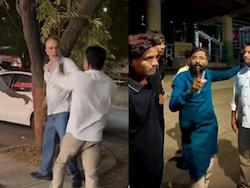
After Assault On Old Man, MNS Targets 'Outsider' Taxi Drivers In Thane
The issue has taken a local vs outsider turn as the victim is a Marathi while the taxi driver who beat him is non-Marathi.
-

Abhishek Banerjee Gets Interim Relief In Signature Forgery Case
Abhishek Banerjee gets interim protection for three weeks in signature forgery case
-

3 Indian Sailors Killed In US Attack On Ship Off Oman Coast
3 Indian Sailors Killed In US Attack On Ship Off Oman Coast: Union Minister Sarbananda Sonowal
-

Woman Found Dead At Delhi Home, Cops Suspect Husband Of Murder
The incident came to light during the early hours when police received information that a man had allegedly assaulted his wife at their home in the Gautampuri area and fled the spot.
-
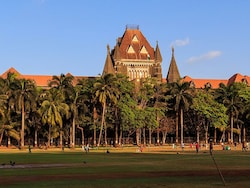
"Man Must Pay Child Maintenance Even If Unemployed": Bombay High Court
The Nagpur Bench of the Bombay High Court was hearing a petition by a man who had challenged a lower court's order to pay Rs 8,000 monthly maintenance to his children.
-

Brief Standoff On India-Bangladesh Border Over 55-Year-Old In No-Man's Land
Stuck in the tragic situation is 55-year-old Hindu man believed to be from Bangladesh who allegedly entered India illegally through Meghalaya border
-
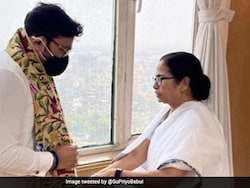
"I Am Where I Am...": Babul Supriyo's Cryptic Post As Trinamool, Rebels Spar
Trinamool Congress Rajya Sabha MP Babul Supriyo criticises corruption within the Mamata Banerjee-led party and hints at political shifts, but denies plans to join the Bharatiya Janata Party or leave Bengal soon.
-

How 'Made In India' Passenger Jets Will Change Indian Aviation Forever
India is one of the fastest-growing economies today, and its aviation sector has taken a massive leap.
-
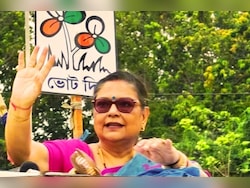
Inside Rebel Faction's Strategy To Prove Itself "Real Trinamool"
Prakash Chik Baraik resigned as Trinamool Rajya Sabha MP, making him the third Rajya Sabha MP from the party to do so this week.
-

Siblings To Hang, Mother Gets Life For Murder Of Hyderabad Pensioner
Investigators also uncovered digital evidence showing that the accused had searched online and watched videos on "painless" killing methods before committing the crime.
-

"Close To Salman Khan": Lawrence Bishnoi Gang Targets Guru Randhawa's Delhi Gym
Shots were fired on Wednesday night at a gym that is part of a fitness centre franchise owned by popular singer Guru Randhawa
-

On Camera, Gym Owner Shot Dead During Workout In Haryana
The incident took place around 5:30 am when the victim, identified as Deepak, was training his students outside the gym.
-
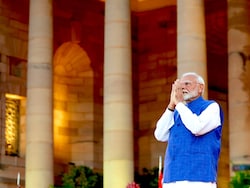
Opinion | A Fauji's Salute To India's Longest-Serving Prime Minister
The year was 2013. I had just returned to my ooru (village) after serving the Indian Army. Like many young Indians of my generation, I stood at a crossroads. I knew I wanted to continue serving the na...
-
Congress Goes To Top Court Over Meenakshi Natarajan Nomination Rejection
The nomination of Meenakshi Natarajan, the lone Congress candidate, was rejected by the Returning Officer after objection by the BJP


