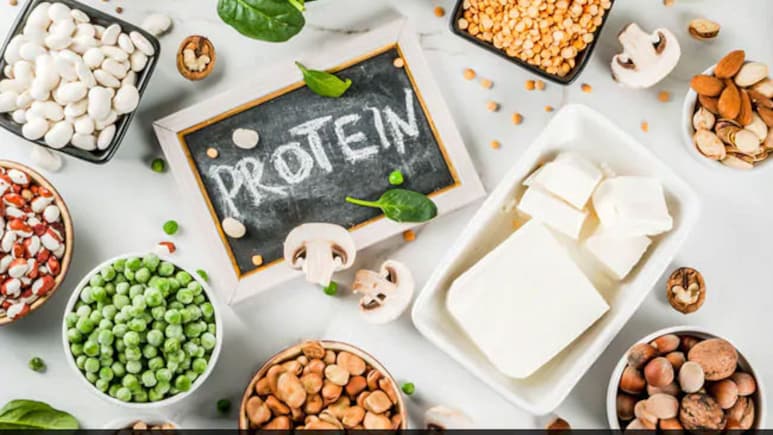
High-protein diets are everywhere right now. From weight loss plans to muscle-building goals, protein often becomes the star of the plate. But many people end up feeling bloated, constipated, tired, or uncomfortable after increasing protein. That is when the sentence “high protein doesn't suit me” starts doing the rounds. The truth is, protein is rarely the problem. The problem is how it is added to the diet.
That is exactly what nutritionist Leema Mahajan pointed out in a recent Instagram post, where she broke down the most common mistakes people make while increasing protein.
According to Leema Mahajan, “Most of the time, protein powder isn't the problem. The mistakes around high protein intake are.”
Mistake 1: Not Increasing Water Intake
High protein leads to more urea production in the body. Urea needs water to be flushed out through the kidneys. If water intake stays low, symptoms like headaches, fatigue, dark urine, and constipation can appear. The nutritionist explained that protein itself does not dehydrate you. Poor hydration does. When protein goes up, water must go up too.
Mistake 2: Cutting Down On Fibre
Many people increase protein by replacing meals with shakes or cutting carbs completely. In the process, fibre disappears. Protein powders contain almost no fibre. When fruits, vegetables, whole grains, and legumes are reduced, digestion slows down. This often leads to bloating and constipation. As Leena Mahajan highlighted, protein does not cause these issues. Low fibre combined with low water does.
Mistake 3: Reducing Fruits And Vegetables
Some high-protein diets, especially animal-heavy ones, increase the body's acid load. Potassium helps neutralise this acidity, and potassium mainly comes from fruits and vegetables. When these foods are cut out, acidity, cramps, bloating, blood pressure issues, and kidney stress can increase. Research shows the issue is not high protein alone, but high protein with low potassium.
The nutritionist advised increasing protein slowly, while also increasing water intake, keeping fiber adequate, and ensuring enough potassium from plant foods. Protein works best when it is supported, not isolated.
Track Latest News Live on NDTV.com and get news updates from India and around the world
