

)
For many menstruating individuals, the first day of periods is also the most painful. Severe abdominal cramps, backache, nausea, fatigue and even diarrhoea commonly appear just as bleeding begins, disrupting work, school and daily routines. This condition, medically known as dysmenorrhea, affects more than half of menstruating women worldwide and remains one of the leading causes of short-term absenteeism globally. While period pain is often considered "normal," science shows that first-day discomfort has a clear biological explanation. Hormone-like chemicals called prostaglandins, released from the uterine lining, rise sharply just before menstruation starts. These chemicals trigger strong uterine contractions needed to shed the lining, but excessive levels can temporarily reduce blood flow to uterine tissue, causing intense pain.
Understanding why cramps peak early in the menstrual cycle is important not only for reassurance but also for effective management. Research increasingly shows that timing pain-relief strategies correctly, sometimes even before bleeding begins, can significantly reduce symptoms. Here's what happens inside the body on the first day of periods and ways to manage period pain safely.
Why Period Pain Is Worse On The First Day
- Prostaglandin Surge Peaks At The Start Of Bleeding: The primary reason for severe Day 1 cramps is a sudden spike in prostaglandins. Studies show that people with painful periods produce higher levels of prostaglandins in menstrual fluid, leading to stronger and more frequent uterine contractions. These contractions help expel the uterine lining but can also compress nearby blood vessels, causing temporary oxygen deprivation, similar to muscle cramps elsewhere in the body. Pain typically peaks during the first 24 hours, when prostaglandin levels are highest.
- Strong Uterine Contractions Reduce Blood Flow: During menstruation, the uterus repeatedly tightens and relaxes. Excessive contractions reduce blood supply to uterine muscles, triggering inflammation and nerve pain signals. Research published in Acta Obstetricia et Gynecologica Scandinavica found that elevated prostaglandins and vasopressin together intensify uterine activity and pain severity during early menstruation. This explains why cramps often ease after Day 2 or Day 3, when hormone levels decline.
- Heavier Flow Begins On Day 1: Pain intensity frequently coincides with the start of menstrual shedding. The uterus works hardest at this stage, increasing pressure within the womb and worsening cramps. Clinical reviews note that dysmenorrhea pain generally lasts 48-72 hours, with maximum severity occurring on the first or second day of bleeding.
- Increased Inflammatory Response: Menstruation triggers inflammatory processes throughout the body. Elevated inflammatory mediators can contribute to symptoms beyond cramps, including headaches, nausea and fatigue. This systemic response explains why some individuals feel flu-like discomfort during the first day of periods.
Also Read: Why Period Clots Are Not As Normal As You Think, Explains Expert
Science-Backed Ways To Manage First-Day Period Pain
- Start NSAIDs Early: Non-steroidal anti-inflammatory drugs (NSAIDs) such as ibuprofen reduce prostaglandin production, directly targeting the root cause of cramps. Clinical trials show NSAIDs significantly lower menstrual prostaglandin levels and relieve dysmenorrhea symptoms when taken appropriately. Experts often recommend taking them at the onset of symptoms or slightly before menstruation under medical guidance.
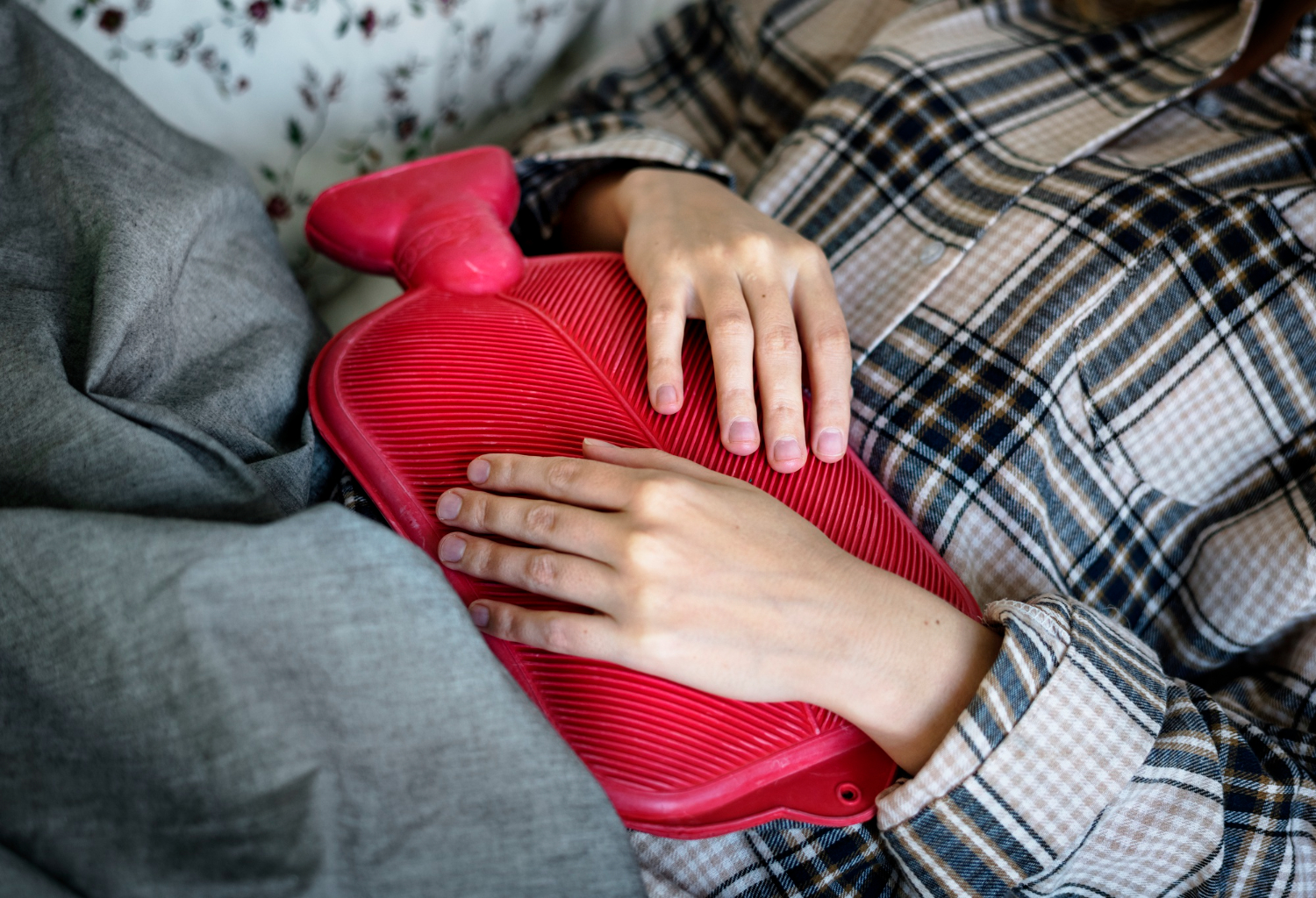
- Use Heat Therapy: Applying heat to the lower abdomen relaxes uterine muscles and improves blood flow. Medical guidance from major clinical institutions notes heating pads or warm baths can meaningfully reduce cramp intensity by relaxing muscle contractions.
- Gentle Movement And Exercise: Although rest feels instinctive, light activity such as walking, stretching or yoga increases circulation and releases endorphins, which are natural pain-relieving chemicals. Regular exercise has been associated with reduced severity of primary dysmenorrhea in multiple observational studies.
- Consider Hormonal Regulations (Under Medical Guidance Only): Hormonal contraceptives may help individuals with severe recurring pain by suppressing ovulation and reducing uterine lining buildup. Research shows oral contraceptives lower prostaglandin release and improve menstrual pain outcomes in many patients.
- Nutritional Support May Help: Emerging research suggests antioxidants such as vitamin E may reduce prostaglandin activity and menstrual pain severity when taken around the menstrual period under medical supervision. Balanced intake of omega-3 fatty acids, magnesium and iron may also support muscle relaxation and reduce inflammation.
- Prioritise Sleep And Stress Reduction: Stress hormones can heighten pain perception. Relaxation techniques such as breathing exercises, meditation or adequate sleep may reduce nervous system sensitivity to cramps.
When Period Pain Is Not Normal
While mild to moderate cramps are common, severe pain that interferes with daily activities may signal underlying conditions such as:
- Endometriosis
- Uterine fibroids
- Adenomyosis
- Pelvic inflammatory disease
Persistent or worsening symptoms should always be evaluated by a healthcare professional.
Also Read: Persistent Period Pain Deserves Answers, Not Dismissal: Nutritionist Shares Why
First-day period pain is not random. It reflects a predictable biological process driven largely by prostaglandin surges and intense uterine contractions. Understanding this mechanism helps explain why cramps peak early and why targeted treatments such as NSAIDs, heat therapy and hormonal regulation work effectively.
Most importantly, severe menstrual pain should not be dismissed as something one must simply endure. With timely intervention, lifestyle adjustments and medical care when necessary, period pain can be managed safely, allowing menstruation to interfere far less with everyday life.
Disclaimer: This content, including advice, provides generic information only. It is in no way a substitute for a qualified medical opinion. Always consult a specialist or your own doctor for more information. NDTV does not claim responsibility for this information.