

)
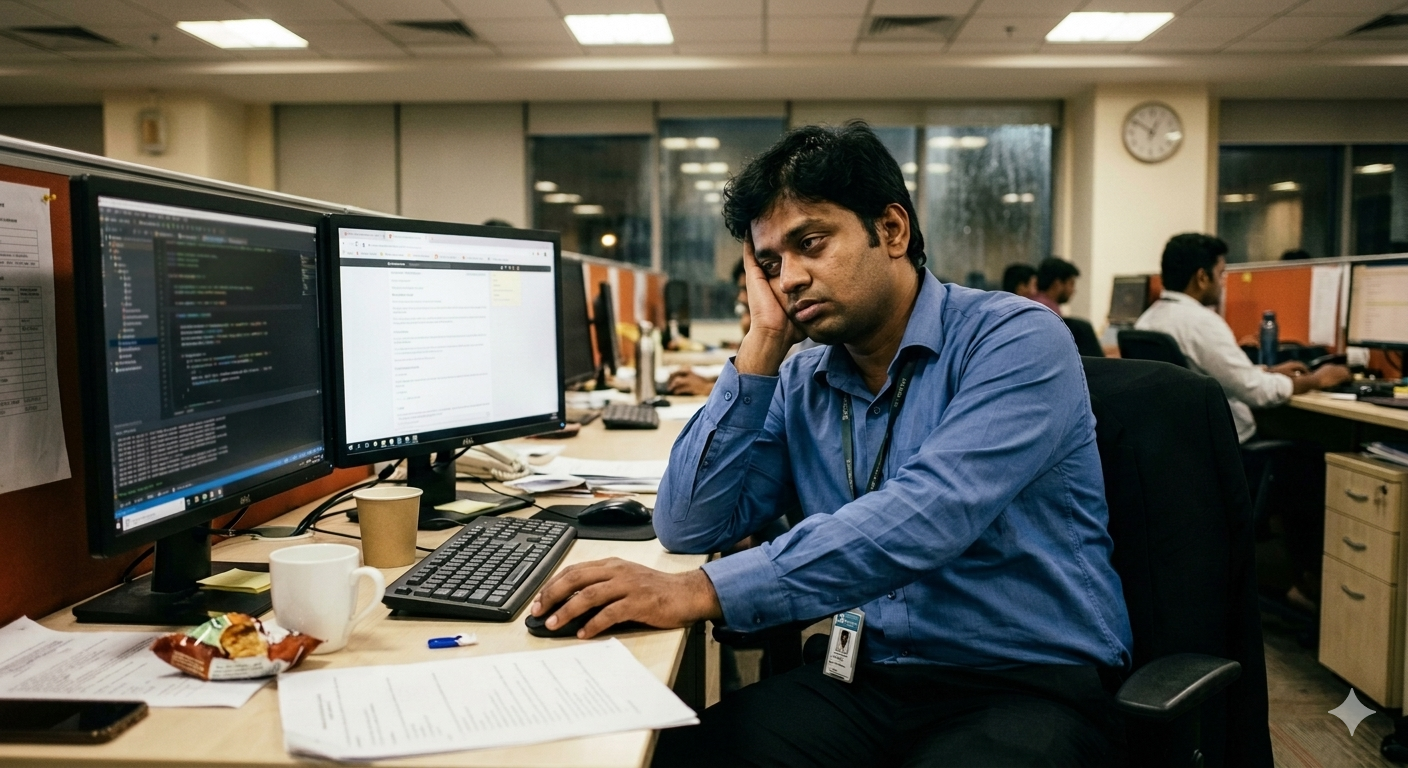
"Why am I so tired these days?" If this thought has crossed your mind recently, you're not alone. Many people have been experiencing this, especially with the unpredictable weather. Low energy levels or ongoing tiredness can significantly affect both health and productivity in various ways. Constant fatigue can reduce your ability to concentrate and perform tasks, impacting your overall quality of life. Chronic tiredness can also contribute to stress and anxiety. Furthermore, long-term low energy can weaken the immune system, making individuals more susceptible to illnesses.
How the weather impacts energy levels
Weather changes can significantly affect energy levels. For instance, cloudy days, high humidity, or abrupt temperature shifts can affect circadian rhythms and hormonal balance. Whereas lower temperatures can lead to a drop in energy levels as the body works harder to maintain warmth, high humidity can make us feel sluggish and lethargic.
Sudden changes in weather
"A few days of heat, then a sudden cool breeze, followed by humidity-it sounds normal, but your body doesn't always agree. It prefers stability. When the environment keeps changing, your system is quietly working overtime to keep things balanced, and that can leave you feeling drained," says Dr. Rajinder Kumar Singal, Principal Director & HOD - Internal Medicine, BLK-Max Super Speciality Hospital.
Poor sleep
Unpredictable weather can lead to disrupted sleep patterns, making it difficult for individuals to achieve restorative rest, which is essential for maintaining energy throughout the day. "One of the first things to get affected is sleep. You might go to bed on time, but warmer nights or sudden temperature changes can make sleep lighter than usual. You wake up, go about your day, but there's this lingering tiredness that doesn't quite go away," adds Dr. Singal.
Heat and humidity
"Even if you're indoors, your body still adjusts to the surrounding temperature. You may find yourself getting tired faster, or feeling like simple tasks are taking more effort than usual."
Reduced movement
"People also tend to overlook how their daily habits shift with the weather. Maybe you're stepping out less, delaying workouts, or just lying down more often because the weather feels off. These small changes add up and can make you feel even more sluggish," explains Dr. Singal.
Dehydration
"Water intake is another easy miss." Unless it's peak summer, many don't pay much attention to overall water intake. But the body still loses fluids in changing weather, and even mild dehydration can make you feel low on energy.
Poor mood
"There's also a mental side to it. Grey skies, sticky air, or constant weather changes can affect your mood without you realising it. When your mood dips slightly, your energy often follows," explains Dr. Singal.
In essence, both low energy levels and weather-related changes can create a cycle of fatigue that negatively affects health and productivity.
"The key thing to remember is that this isn't unusual. Your body is simply reacting to what's happening around it. Try to keep your routine steady-eat on time, sleep at a fixed hour, drink enough water, and move your body a bit every day."
"And if the tiredness sticks around for weeks or starts interfering with your routine, don't brush it off. It's always better to get it checked and be sure everything is okay," advises the expert.
Disclaimer: This content including advice provides generic information only. It is in no way a substitute for a qualified medical opinion. Always consult a specialist or your own doctor for more information. NDTV does not claim responsibility for this information.